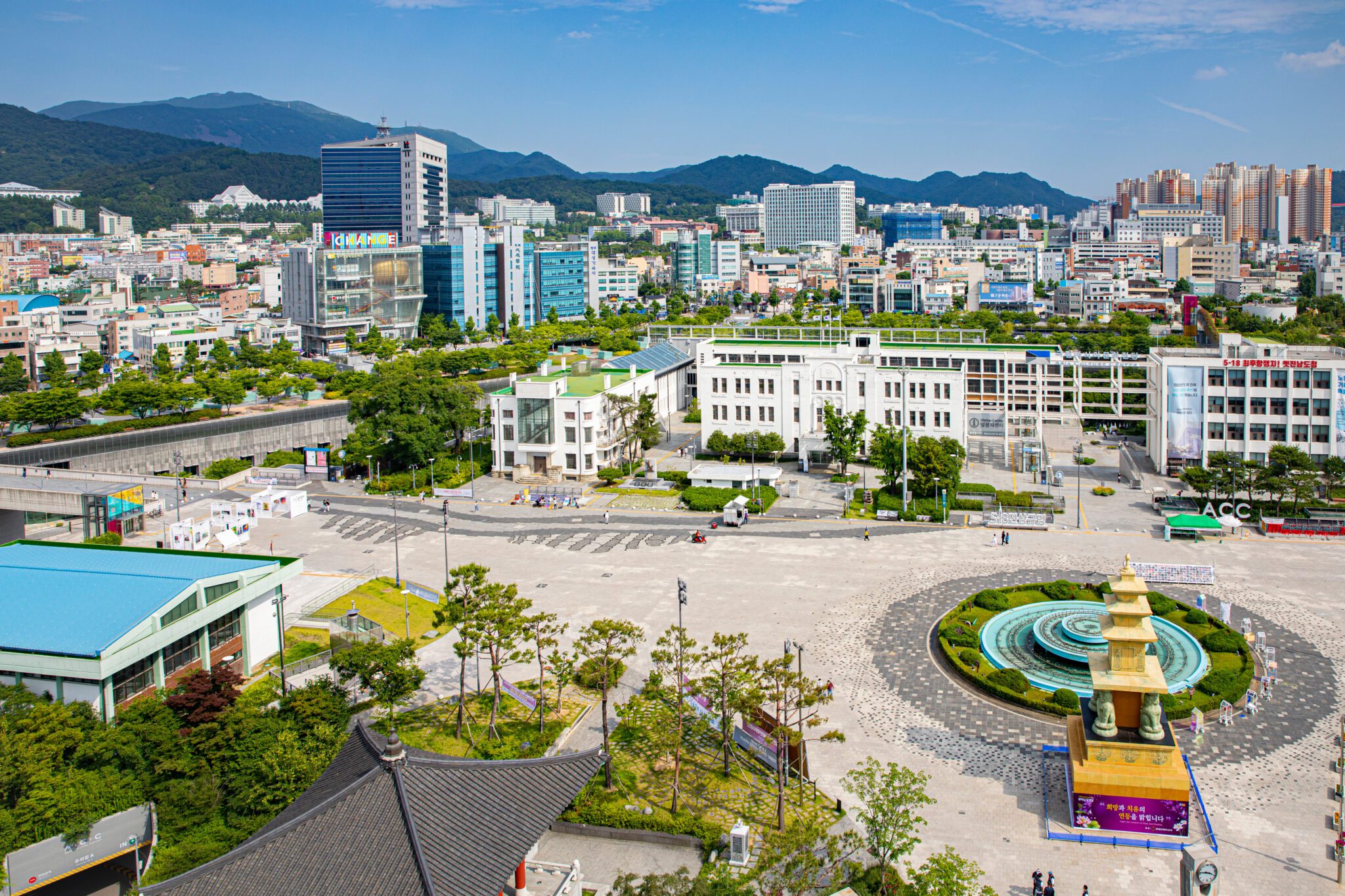
South Korea has officially designated Gwangju Metropolitan City as the country’s first comprehensive testing ground for autonomous vehicles. This initiative allows for the testing of approximately 200 self-driving cars across the city’s entire road network. The Ministry of Land, Infrastructure and Transport confirmed an investment of KRW 61 billion (approximately USD 42 million) to support this ambitious project, with trials expected to commence around August or September 2024.
The selection of companies to participate in the project will take place in April, with the government planning to allocate test vehicles among up to three firms based on their technological capabilities. More advanced operators will receive larger fleets, enabling them to conduct trials on regular roads, in residential areas, and rural regions at all hours. Initially, safety drivers will oversee the operations before transitioning to fully driverless testing, pending appropriate government approvals.
The government has indicated that testing will initially occur on the outskirts of Gwangju, gradually expanding into more central areas as safety measures are confirmed. This methodical approach aims to ensure a secure and effective transition towards autonomous driving.
Officials have acknowledged South Korea’s current lag in the global race for autonomous driving leadership, identifying the United States and China as the frontrunners. Kim Yun-duk, the Land Minister, emphasized this gap by stating, “if the U.S. and China are adults in this industry, Korea is like an elementary school student.”
Strategic Goals and Collaboration
The initiative not only mirrors successful testing programs in cities like San Francisco and Wuhan but also aims to establish a robust regulatory framework based on proven international standards. Minister Kim described the project as “our last chance to close the gap and become one of the world’s top players” in autonomous vehicle technology.
This initiative is part of South Korea’s broader economic growth strategy, positioning Gwangju and its surrounding region as a national hub for the autonomous vehicle industry. Data collected from these trials will be processed at the National AI Data Center in Gwangju, which plans to deploy 200 GPUs to support artificial intelligence development for the participating companies.
Gwangju was selected for this initiative based on criteria such as its population exceeding one million and its diverse urban and rural environments, which are ideal for varied testing scenarios. The Korea Transportation Safety Authority’s Automotive Safety Research Institute will oversee all testing operations, ensuring compliance with safety standards and regulations.
Major Korean automotive manufacturers, including Hyundai, are expected to participate in this project. The goal is to generate sufficient data to catapult South Korea into the ranks of the world’s top three nations in autonomous vehicle technology. Currently, the United States and China dominate this field, but Japan and the United Arab Emirates are also stepping up efforts to establish their positions in autonomous driving innovation. Japan is focusing on commercial vehicles and public transit, while the UAE heavily relies on partnerships with foreign entities for local testing and deployment.
As South Korea embarks on this critical testing initiative, the outcome will play a significant role in shaping the future of autonomous driving in the region and determining its standing in the global automotive landscape.