Saudi Arabia’s Public Investment Fund (PIF) has called on the kingdom’s wealthiest families to increase their investments in domestic projects. This request comes as the government reassesses or cancels several major initiatives, as reported by Bloomberg on October 3, 2023. In a recent meeting held on the Red Sea coast, the PIF, along with the Ministry of Investment and other government entities, urged prominent families to collaborate more closely on new ventures and to partner with foreign investors interested in the Saudi market.
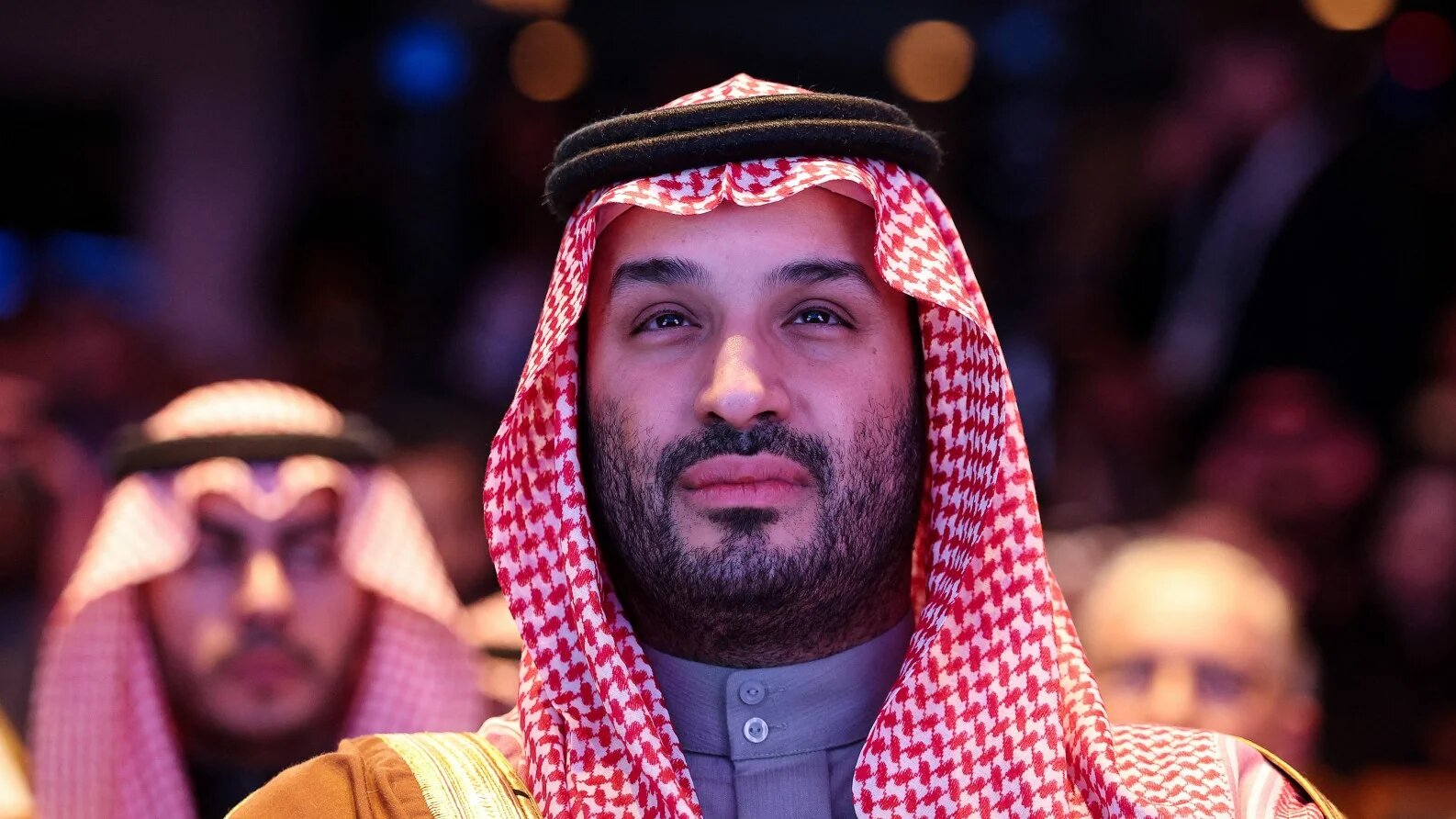
This initiative arises in the context of significant adjustments to the kingdom’s ambitious mega-projects, which were central to Crown Prince Mohammed bin Salman’s Vision 2030 aimed at transforming the nation’s economy. Reports indicate that the construction of the Mukaab, a massive cube-shaped structure intended for downtown Riyadh, has been suspended. Additionally, plans for Trojena, a ski resort in the Neom project, have been scaled back, and it will no longer host the 2029 Asian Winter Games.
The Financial Times further noted that the Neom megacity project, once a symbol of the kingdom’s economic aspirations, is undergoing substantial redesign and downsizing. Experts have pointed out that many of these grand projects faced skepticism regarding their feasibility and potential financial returns. Some analysts suggest that Saudi Arabia is recalibrating its ambitions to focus on sectors where it holds a competitive edge, such as technology, mining, and tourism.
In recent moves, Saudi Arabia has invested in advanced AI chips from Nvidia and is developing data centers from the Red Sea to Riyadh and Dammam. The country has also introduced new laws permitting foreign property ownership as part of its broader economic diversification strategy. As of now, the non-oil economy constitutes over 55 percent of Saudi Arabia’s real GDP, according to the International Monetary Fund (IMF), which has recently upgraded its 2026 GDP growth forecast for the kingdom from 4 percent to 4.5 percent, placing it among the top G-20 economies.
Despite these positive indicators, the kingdom faces substantial challenges. Oil revenue remains a crucial funding source, accounting for approximately 61 percent of government income, as outlined in the 2025 budget. Current oil prices hover around $60 per barrel, significantly below the $100 per barrel level required to maintain budget equilibrium. To address this financial shortfall, Saudi Arabia has increasingly turned to international debt markets. In 2024, it became the most active issuer of international debt in emerging markets, selling over $20 billion in bonds in January 2026 alone.
While there has been strong demand for Saudi debt, liquidity within the country appears to be tightening. In response, Crown Prince Mohammed bin Salman has encouraged state-owned banks to extend more credit to private enterprises and first-time homebuyers. However, these institutions have also resorted to debt markets due to rising capital requirements imposed by the government.
The PIF’s outreach to the wealthy families of Saudi Arabia aims to bridge the funding gap left by state-owned banks. These families control vast wealth and could potentially play a pivotal role in supporting the kingdom’s economic initiatives. Notably, while the Bloomberg report did not indicate any existing tensions between these affluent families and Saudi financial officials, the crown prince has a history of leveraging their resources. In 2017, during what was characterized as a corruption purge, he gathered affluent families at the Riyadh Ritz-Carlton, demanding substantial payments to the state, with some individuals reportedly facing harsh treatment for non-compliance.
As Saudi Arabia navigates this complex economic landscape, the collaboration between the government and its wealthiest citizens may prove crucial in achieving the nation’s broader economic objectives.