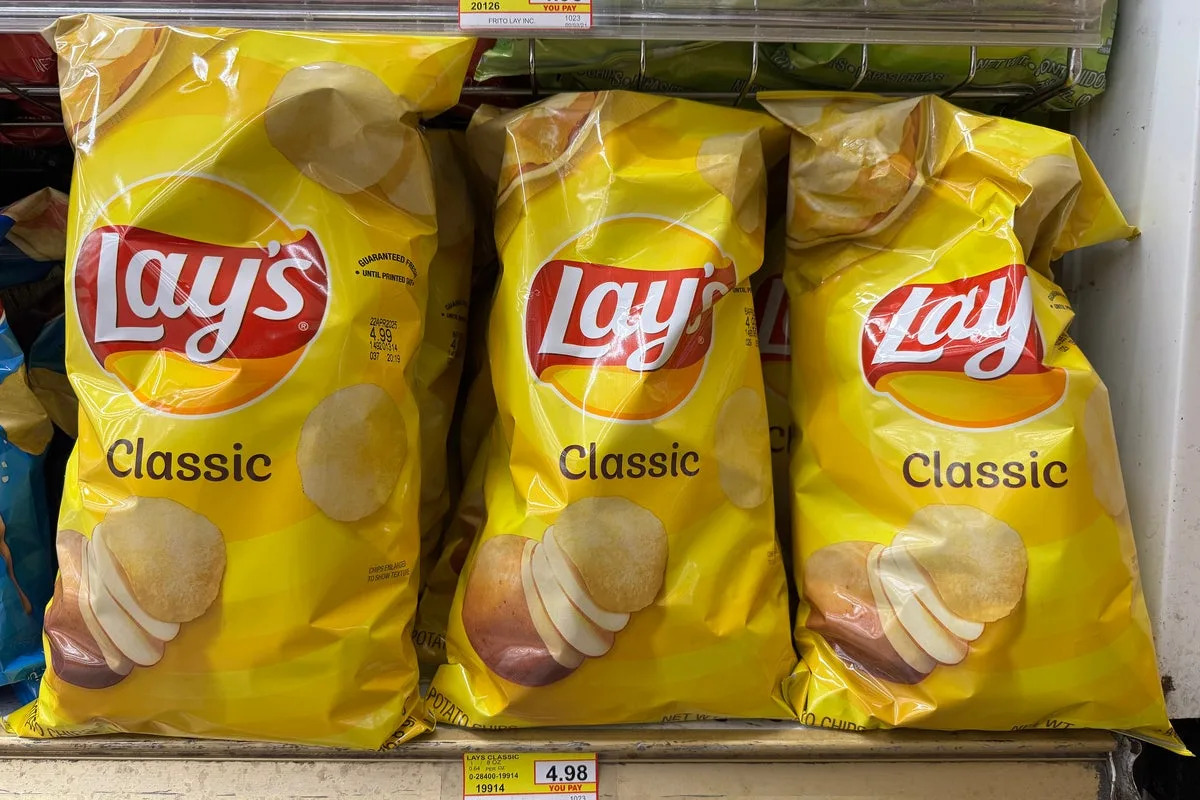
PepsiCo is reducing prices on its popular snack brands, including Lay’s, Doritos, Cheetos, and Tostitos, in response to a surge of consumer dissatisfaction stemming from previous price increases. The company, which has faced backlash over rising costs that have affected packaging, ingredients, and transportation, is adjusting its pricing strategy to restore customer loyalty.
In the fourth quarter of 2023, PepsiCo implemented a global price hike of 4.5%, with North American beverage prices increasing by 7% and snack prices rising by 1%. This strategy initially boosted revenue, which reached $29.3 billion during the October to December period, exceeding Wall Street’s expectations of $28.9 billion, according to analysts surveyed by FactSet. Despite this revenue growth, demand has weakened, leading consumers to opt for less expensive alternatives or reduce their overall snack consumption.
Impact of Pricing Strategy on Demand
Sales volumes for PepsiCo’s snacks, particularly Doritos and Cheetos, decreased by 1% in the most recent quarter, while North American beverage volumes fell by 4%. On a global scale, beverage volumes increased by 1%, but food volumes declined by 2%. These shifts indicate a clear response from consumers to the rising costs and suggest that loyalty to brand names is weakening.
In December, PepsiCo announced plans to cut prices and streamline its product offerings by nearly 20% as part of a strategy linked to activist investor Elliott Investment Management. Elliott, which acquired a $4 billion stake in PepsiCo in September, has been advocating for changes to counteract the slowing growth and declining profits within the company’s North American food and beverage sector.
Future Offerings and Innovations
To complement the price reductions, PepsiCo is also accelerating the introduction of new products featuring simpler and more functional ingredients. Among these are Gatorade Lower Sugar and Simply NKD Cheetos and Doritos, which are free from artificial flavors and colors. Additionally, the company recently launched Pepsi Prebiotic, which reportedly sold out within 30 hours following its release on Black Friday. The company plans to make this soda available across the United States in the near future.
For the fourth quarter, adjusted earnings reached $2.26 per share, surpassing analysts’ predictions. The company’s net income attributable to shareholders was $2.54 billion, equating to $1.85 per share, which marks an increase from $1.52 billion, or $1.11 per share, during the same timeframe the previous year. Despite these positive financial results, PepsiCo’s shares experienced a slight decline before the market opened on Tuesday.
As PepsiCo navigates these challenges, the company’s ability to adapt its pricing and product strategy will be crucial in retaining customer trust and reversing the trend of declining demand.