A Nottinghamshire council is preparing to contest a developer’s proposal for a new housing project consisting of 149 homes. Countryside Properties (UK) Limited, a subsidiary of the Vistry Group, originally submitted plans for the site located off Brand Lane in Sutton in Ashfield in 2025. However, Ashfield District Council failed to make a timely decision on the application, a situation referred to as non-determination. The developer has since appealed to the Planning Inspectorate for a resolution.
This is not the first time development plans for this location have been proposed. Previous applications for 142 homes in 2020 and 141 homes in 2022 were both rejected. Concerns centered around the potential for “significant harm” to the character of Brand Lane and the surrounding area, with additional worries about increased traffic without substantial improvements to local infrastructure.
The council is set to argue against the development again, citing similar reasons for refusal. Documents reveal that the non-determination stemmed from issues within part of the application, which the council sought to address before the appeal was lodged by Countryside Properties (UK) Limited. A meeting is scheduled for March 4, 2025, where councillors will discuss their strategy to defend against the appeal.
Despite acknowledging a shortfall in housing sites for the next five years, the council maintains that the proposed development’s negative impacts outweigh the pressing need for additional housing. Officials assert that the new homes would lead to a detrimental “intrusive visual impact” and encroach further into the open countryside.
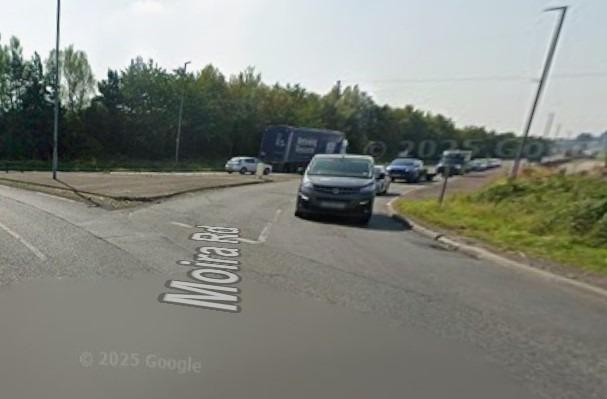
The local highway authority has also raised objections, indicating that the surrounding road network cannot safely accommodate increased traffic without significant upgrades. The council emphasized that the development would contribute to “car-dependent urban sprawl,” raising sustainability concerns.
Although the proposal includes plans for 10 percent affordable housing, the council argues that these benefits do not counterbalance the anticipated harms. According to official documents, it is likely that the application would have been recommended for refusal had the council been given the chance to review it fully.
As this situation unfolds, the outcome could influence future housing strategies and development policies in the region.