Latin America is emerging as a focal point for international investors, driven by its expanding renewable energy sector and abundant critical minerals. Over the past few years, the region has seen consistent growth in green energy capacity, and the electric vehicle (EV) market is beginning to gain momentum. Notably, over 65 percent of the region’s electricity now comes from renewable sources, significantly higher than the global average.
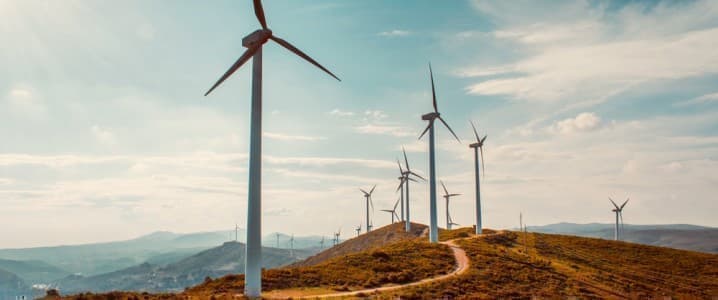
Hydropower has played a pivotal role in this transformation, contributing approximately 45 percent of Latin America’s electricity. Countries like Costa Rica and Paraguay are on the verge of achieving 100 percent hydropower-generated electricity. In addition to hydropower, investments in solar, wind, and bioenergy projects have surged, diversifying the region’s energy portfolio. Currently, wind and solar power account for around 17 percent of electricity generation.
Governments across Latin America are embracing ambitious climate commitments alongside these developments. Since 2014, the region has issued over $250 billion in green, social, and sustainability bonds, reflecting growing investor interest in the green energy sector. The appeal is further enhanced by several nations setting net-zero carbon emissions targets.
Investment in critical mineral mining has also surged, fueled by the global demand for resources essential for renewable energy and EV production. According to a report from McKinsey & Company and the Future Minerals Forum, global mining mergers reached $30 billion in the first three quarters of 2025, with 74 percent of that total directed towards Latin America.
Future Prospects for Renewable Energy
Looking ahead, Latin America is expected to expand its renewable energy capacity significantly. Forecasts suggest that electricity consumption in the region could climb by 90 percent by 2050 under existing policies, potentially reaching 180 percent under more aggressive scenarios. This increase will result from urbanization, economic growth, and greater electrification.
Despite these promising developments, challenges remain. The World Economic Forum’s Energy Transition Readiness Assessment (ETRA) 2025 indicates that while Latin America scores well in sustainability and equity, it lags in energy security and infrastructure readiness. Transmission and distribution losses in the region average around 13.5 percent, compared to a global average of 10.2 percent. Aging infrastructure and limited grid interconnections hinder the integration of new renewable energy projects.
Investment in green energy still trails behind other regions. The WEF estimates that clean energy investment in 2025 reached $70 billion, accounting for approximately 4 percent of global investment in the sector. To meet growth demands, Latin America requires around $150 billion annually by 2030, with $30 billion of that earmarked for grid infrastructure until 2035. Private capital is expected to provide nearly two-thirds of this funding.
To attract increased investment, nations in the region must tackle challenges such as high interest rates and regulatory uncertainties. Countries like Brazil, Peru, and Chile have already mobilized nearly $4 billion to construct over 10,500 kilometres of new transmission lines, a strategy that could serve as a model for other nations.
Governments can further enhance investment appeal by refining regulatory processes and addressing potential risks for investors. In addition, there is a pressing need to invest in education and skills development to close the persistent skills gap in technical and engineering fields. This gap currently hampers the rapid deployment of renewable energy.
Latin America and the Caribbean have made significant strides in both renewable energy development and mineral mining over the last decade. However, to expand the region’s renewable energy capacity in line with anticipated demand growth, greater private investment will be essential. Enhancing regulatory frameworks and reducing financial risks will be crucial steps in this ongoing transition towards a more sustainable energy future.