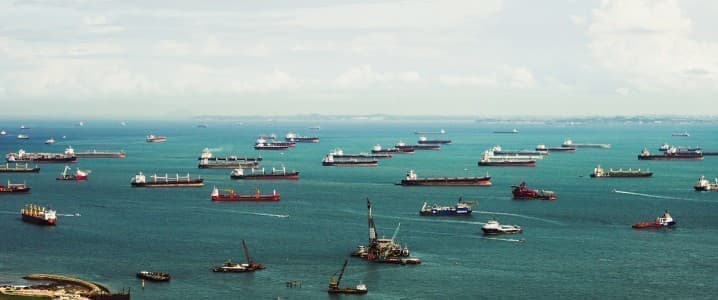
The recent military conflict involving the United States and Iran has triggered a significant surge in global oil prices, impacting economies worldwide. On February 28, 2024, the U.S. and Israel executed coordinated airstrikes on Iranian military facilities, resulting in heightened tensions and severe economic repercussions. Oil prices surged past $115 per barrel, with Brent crude reaching $119 before settling. The escalating situation has disrupted shipping routes and supply chains, particularly through the strategically vital Strait of Hormuz, which carries approximately 20 percent of the world’s oil supply.
As a result of the conflict, tanker traffic in the Strait of Hormuz has plummeted from an average of 138 vessels per day to merely two. This dramatic decline has left more than 150 tankers anchored in the Gulf, unable to transit the strait due to the lack of insurance coverage. The Revolutionary Guard of Iran has declared the waterway closed to allied shipping, prompting major shipping lines, including Maersk and Hapag-Lloyd, to suspend operations. The repercussions are being felt globally, as energy prices surge and supply chains strain.
Impact on Energy Prices and Global Trade
The conflict has caused a staggering rise in liquefied natural gas (LNG) charter rates, which soared from $40,000 per day to $300,000—a remarkable 650 percent increase within a week. Qatar has halted LNG production at its Ras Laffan facility, the largest export complex globally, following drone strikes that damaged its infrastructure. This disruption affects approximately 20 percent of the world’s LNG supply, primarily exported to Asia.
The energy crisis is compounded by a significant increase in crude oil prices, which have risen by 50 percent since the start of the conflict. Prices jumped from around $70 to over $115 for West Texas Intermediate (WTI). The fallout has led to production cuts from major oil-producing nations in the Gulf, including Iraq and Kuwait, as logistical challenges prevent tankers from transporting oil.
The impact on consumer prices is evident. The average price of gasoline in the United States has increased from $3.00 to $3.45 per gallon in just one week. Analysts from Goldman Sachs have warned of a worst-case scenario predicting oil prices could reach $100 within weeks, further straining household budgets.
Broader Economic Consequences
The ramifications of this conflict extend beyond the energy sector. Agriculture, heavily reliant on natural gas for fertilizer production, faces imminent challenges. Fertilizer prices have already surged, with some reports indicating a 35 percent increase in urea prices in Egypt. With spring planting season approaching, farmers worldwide are facing uncertainties that could lead to reduced crop yields later in the year.
Air cargo capacity has also taken a hit, with over 20,000 flights grounded since the start of hostilities, impacting the movement of essential goods, including pharmaceuticals and perishable items. The European Aviation Safety Agency has issued advisories against flying over affected regions, leading to significant disruptions in global supply chains.
In the financial realm, inflation is likely to escalate. The Federal Reserve is closely monitoring the situation, with predictions that inflation rates could rise due to the combined effects of energy price surges and ongoing tariffs. Prior to the conflict, U.S. core inflation had shown signs of easing, but experts now anticipate a potential increase as energy costs rise.
The situation remains fluid, with no clear resolution in sight. As the conflict continues, the interconnectedness of global markets means that the consequences extend far beyond the immediate region, affecting consumers and businesses worldwide. The current crisis exemplifies how geopolitical tensions can rapidly escalate into economic turmoil, with repercussions that are likely to be felt for months to come.