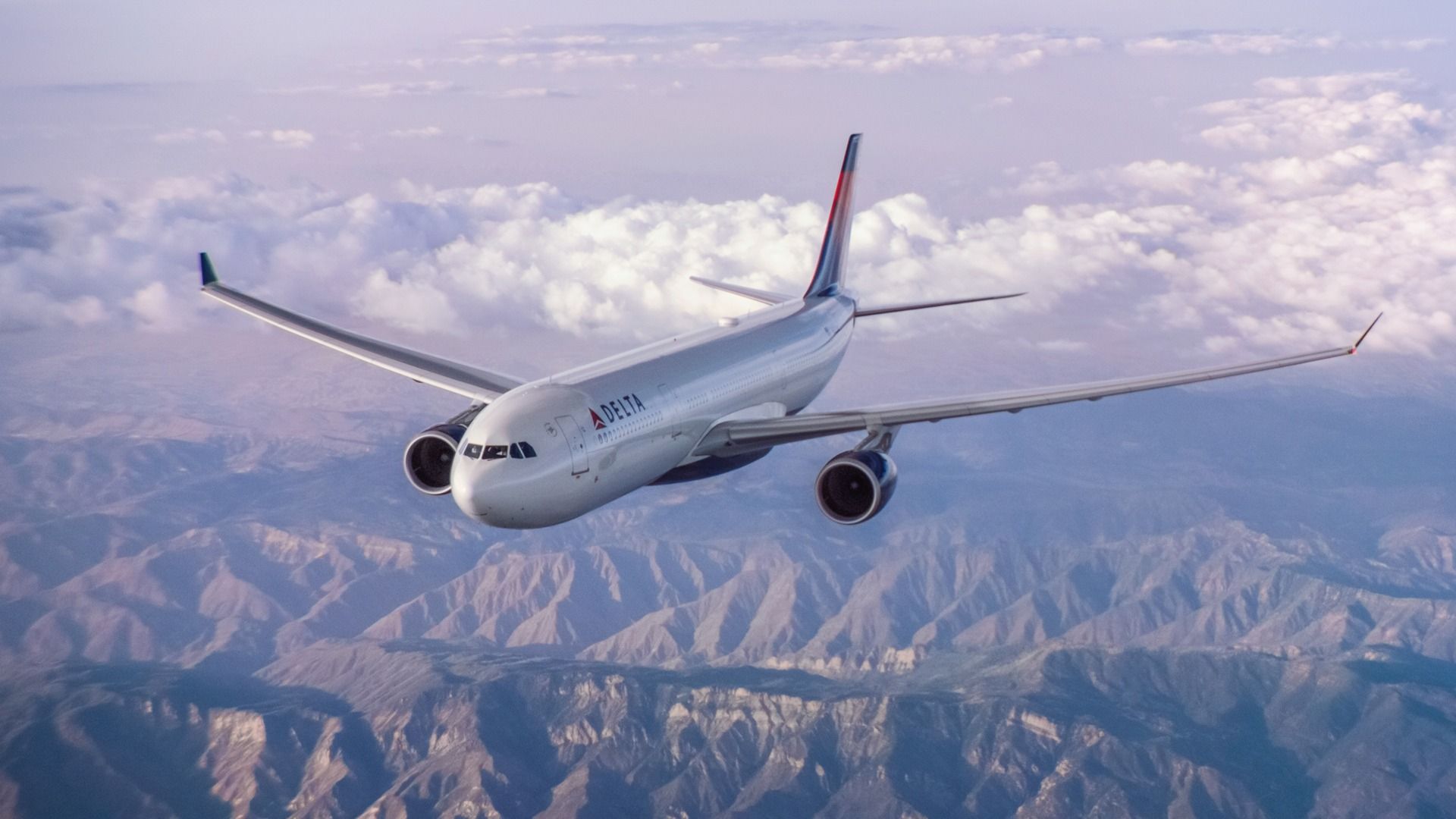
Delta Air Lines is making significant strides in its fleet modernization strategy by integrating a mix of Airbus A350 and A330 aircraft. This move distinguishes Delta from other major American carriers, which have predominantly relied on Boeing. The airline’s commitment to Airbus is evident in its upcoming acquisition of the A350-1000, set to enter service in 2026. With this addition, Delta will become the first U.S. airline to operate the extended version of the A350, further solidifying its partnership with the European manufacturer.
The A350-900, A350-1000, and A330-900 (also known as A330neo) comprise a formidable trio within Delta’s fleet. While the A330 may be less technologically advanced, the shared features among these aircraft—ranging from cockpit design to passenger amenities—provide Delta with operational efficiencies. The airline is focused on expanding its international network and enhancing premium offerings to cater to evolving customer preferences following the COVID-19 pandemic.
Strategic Shift Towards Airbus
Delta’s decision to favor Airbus over Boeing has been strategic. The airline famously canceled its inherited Boeing 787 orders in 2016 and has opted to bypass the upcoming Boeing 777X. Instead, Delta prioritizes the reliability and efficiency of Airbus widebody jets for long-haul routes. Currently, it stands as the only U.S. carrier operating both the A330-900neo and the A350-900.
Pilots benefit from a streamlined transition between the A330 and A350 families due to their similar flight decks, which require minimal additional training. Additionally, Delta’s in-house maintenance division, TechOps, can optimize its supply chain for the Rolls-Royce Trent engines that power both aircraft types. This consolidation allows Delta to maintain a consistent passenger experience across its fleet, with the ‘Airspace’ cabin design ensuring a uniform standard in premium cabin offerings.
Beyond the operational advantages, Delta’s strategy aims to elevate customer satisfaction. The airline has committed to enhancing its long-haul fleet, with plans for an additional 31 Airbus widebodies in early 2026. This expansion will increase its total anticipated fleet to 79 A350s and 55 A330neos.
Adapting to Market Dynamics
Delta’s fleet modernization coincided with significant challenges in the aviation industry, including the grounding of the Boeing 737 Max and the impacts of the COVID-19 pandemic. During these turbulent times, Delta recognized Airbus as a manufacturer capable of providing high-quality aircraft along with dependable support. Although Airbus faced its own supply chain difficulties, it has demonstrated a greater ability to adapt compared to Boeing.
The delays surrounding the Boeing 777X certification and the ongoing issues with the 737 Max have further complicated the landscape for U.S. carriers. Despite the challenges faced by Boeing, the 787 Dreamliner has remained a solid performer in the market. Delta placed its first order for the Dreamliner this year, marking a return to the aircraft after previously canceling orders in 2016.
Delta’s renewed focus on customer experience is evident in its long-haul offerings. The airline’s modernized fleet will feature Delta One Suites with privacy doors and Delta Premium Select across most routes, providing a notable upgrade from older Boeing 767 configurations. The Airspace cabin enhancements include larger overhead bins, customizable mood lighting, and quieter interiors, all aimed at reducing passenger fatigue during long flights.
As Delta prepares for its A350-1000 flagship, scheduled for delivery in early 2027, the airline anticipates expanding its premium seating options on the world’s longest routes.
The new Airbus aircraft are not just about comfort; they also offer exceptional fuel efficiency and range, empowering Delta to explore new markets that were previously unattainable. Noteworthy is the upcoming nonstop flight from Atlanta (ATL) to Riyadh (RUH), Saudi Arabia, set to begin in October 2026.
Delta is also gearing up for its largest-ever transatlantic schedule for summer 2026, with plans to operate nearly 30 European destinations. New routes will include service to Malta (MLA), Olbia in Sardinia (OLB), and Nice (NCE) on the French Riviera, among others.
The airline’s strategy to expand its international presence is particularly focused on the Pacific region, with an expectation to transition all long-haul transpacific flights to A350 service by the end of March this year. This pivot reflects Delta’s ambition to establish a strong brand in Asia and Australia, with new nonstop services to destinations like Singapore and Manila on the horizon.
In summary, Delta Air Lines is leveraging its partnership with Airbus to modernize its fleet and expand its international reach. With a focus on customer satisfaction and operational efficiency, the airline is well-positioned to navigate the post-pandemic travel landscape while enhancing its global service offerings.