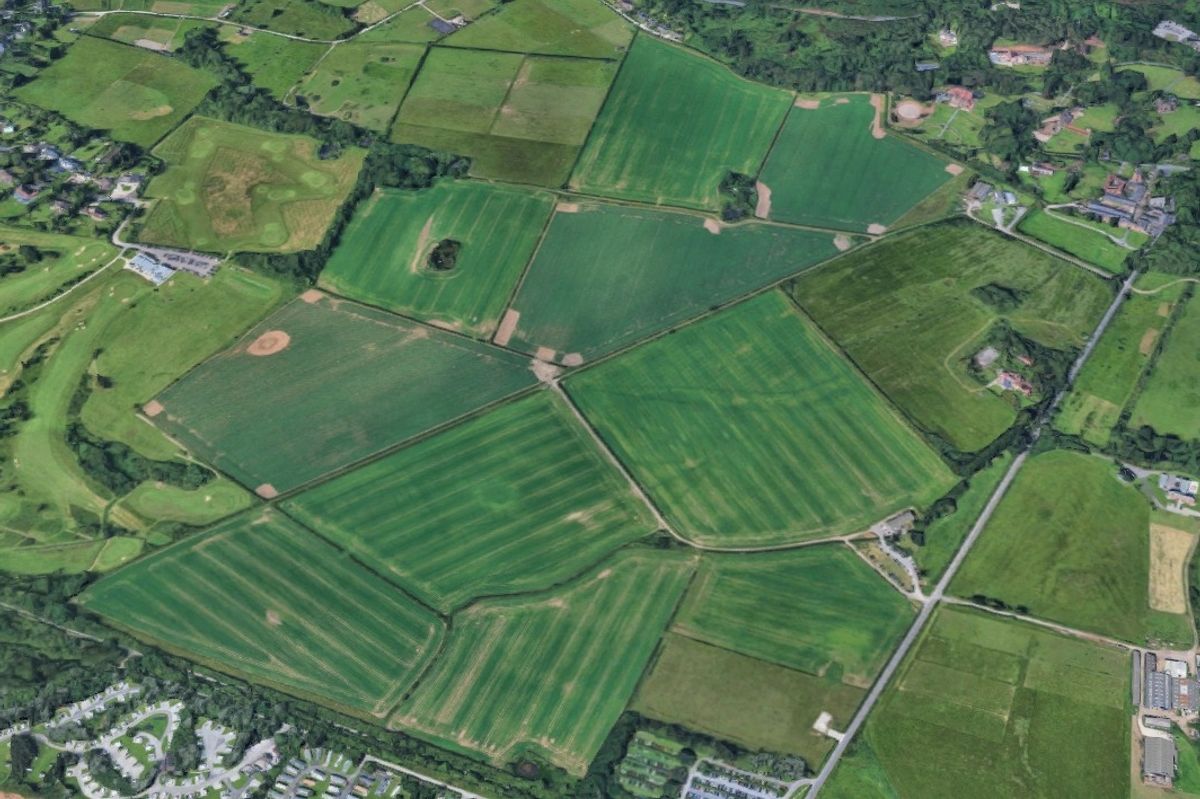
Plans for a significant new solar farm in Thurstaston, Wirral, have sparked considerable debate, with over 3,300 residents signing a petition opposing the project. The proposed solar farm, developed by Chint Solar, a subsidiary of the Chinese company Chint Group Ltd, aims to cover 27 hectares of green belt land, located near Rose Cottage off Station Road.
The solar farm is designed to be a temporary installation, expected to operate for a minimum of 35 years, with some documents suggesting a lifespan of up to 40 years. The site is adjacent to popular local destinations, including The Nest café and a nearby caravan park, raising concerns among community members about the potential impact on the area’s aesthetic and environmental quality.
Community Concerns and Council Response
In response to the plans, Wirral Council has outlined specific requirements that must be met before any planning application can proceed. The council has emphasized the need for comprehensive environmental assessments, including a two-year survey of bird populations initiated in 2024. These assessments will evaluate the potential impact on vital sites, such as the Dee Estuary, and assess how the solar farm could affect protected species.
The council’s report highlighted the importance of understanding the development’s impact on the local heritage, particularly concerning prehistoric and medieval sites. The council stated, “To minimise impacts on the historic environment, there are several measures which the council will be closely scrutinising.” They specifically mentioned the desire to avoid solar panel placement on the most visually exposed slopes in the area.
Local political figures have expressed strong opposition to the solar farm. Conservative representatives declared their intent to “fight this all the way,” while a Labour councillor described the proposal as “ludicrous.” The growing community discontent is evident, with plans for a public consultation set to launch soon.
Future Steps and Commitment to Transparency
Chint Solar has committed to a “full and transparent” planning process, stating that they will provide “clear, accessible and detailed information” regarding their proposals through a dedicated project website. A spokesperson for the company noted that initial work has focused on conducting necessary technical and environmental studies to assess the feasibility of the project.
In a bid to foster community engagement, Chint Solar aims to invite feedback from residents, ensuring that their views are considered as plans develop. The spokesperson remarked, “At Chint Solar, we are committed to taking any potential proposals forward in open dialogue with the local community.”
As the planning process unfolds, the outcome will depend heavily on the results of the required environmental assessments and the response from both the council and the community. For now, the future of the solar farm remains uncertain, with more information required before any formal decision can be made.