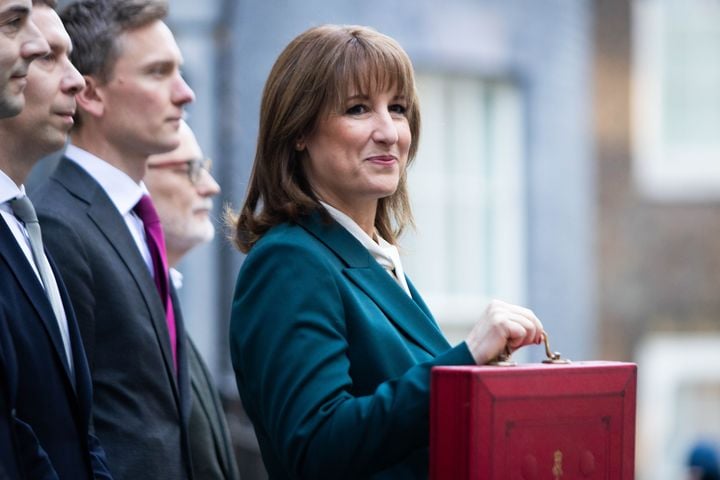
Chancellor Rachel Reeves faces increasing scrutiny as major UK businesses voice concerns about the impact of government policies on their operational costs. Companies such as JD Wetherspoon, Currys, and Morrisons have reported significant financial pressures linked to tax increases and new policy measures.
In its latest financial update, JD Wetherspoon disclosed a £45 million hit to profits during the first half of 2023. The pub group attributed this decline to escalating costs, which include expenses related to energy, wages, and business rates. The company’s warning highlights the challenges faced by the hospitality sector in the current economic climate.
Sector-wide Concerns Over Financial Stability
Alongside JD Wetherspoon, other prominent firms are also grappling with rising costs. Currys, a leading electronics retailer, has expressed concern over the sustainability of its business model amidst increasing operational expenses. The company has indicated that the combination of inflationary pressures and government policy changes is affecting its profitability.
Morrisons, one of the UK’s largest supermarket chains, reported similar challenges. The retailer emphasized that the cost of goods and operations has surged, leading to a reassessment of pricing strategies. These financial pressures come at a time when consumers are already feeling the pinch of inflation, further complicating the market landscape.
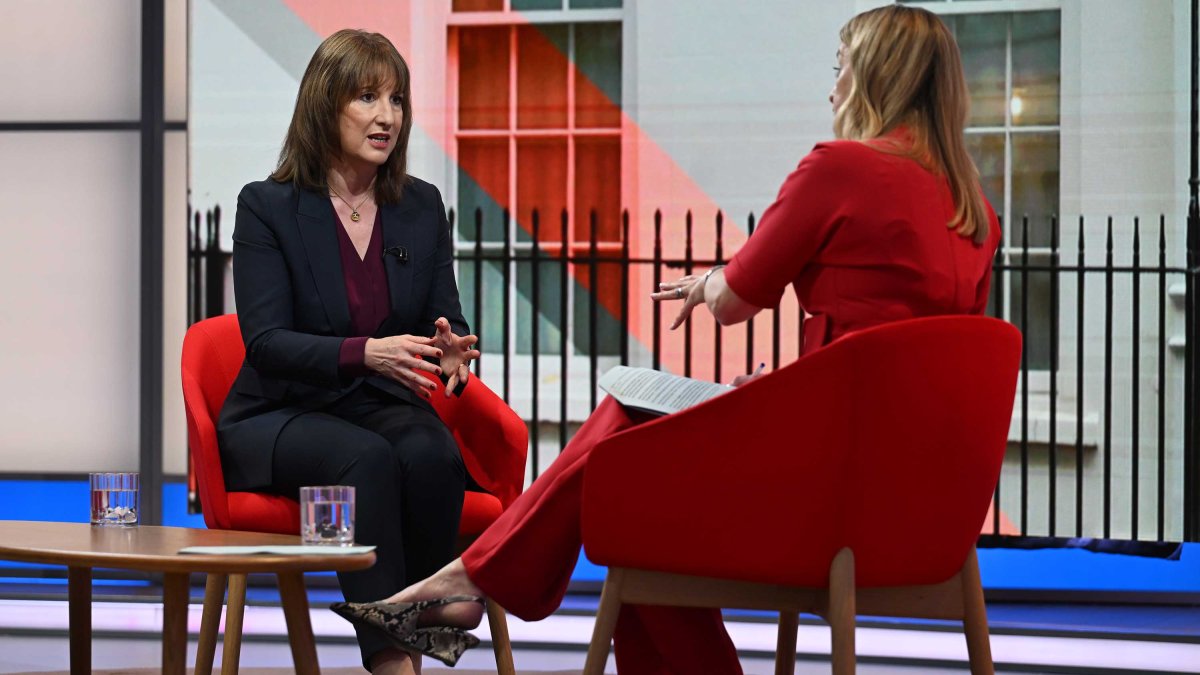
Chancellor Reeves defended the government’s approach, asserting that it has “the right plan, for our economy, for our country.” Nevertheless, the stark warnings from these businesses suggest a growing disconnect between government policy and the realities faced by companies on the ground.
Looking Ahead: Business Strategies in Response to Rising Costs
As firms navigate these turbulent waters, many are exploring various strategies to mitigate the financial impact. JD Wetherspoon, for instance, may need to consider adjustments in pricing or operational efficiencies to counteract the rising costs. Such measures could also involve renegotiating supplier contracts or optimizing labor costs.
In the broader context, the government’s policies are expected to continue influencing the business environment. With inflation rates remaining a concern, companies will need to remain agile and responsive to changes in both consumer behavior and regulatory frameworks.
The financial implications for these businesses extend beyond their balance sheets, affecting employment and investment decisions as well. The situation calls for a collaborative dialogue between the government and the private sector to ensure sustainable economic growth that benefits all stakeholders.
As the conversation around business costs and government policy evolves, stakeholders across the board will be watching closely to see how these dynamics unfold in the coming months.