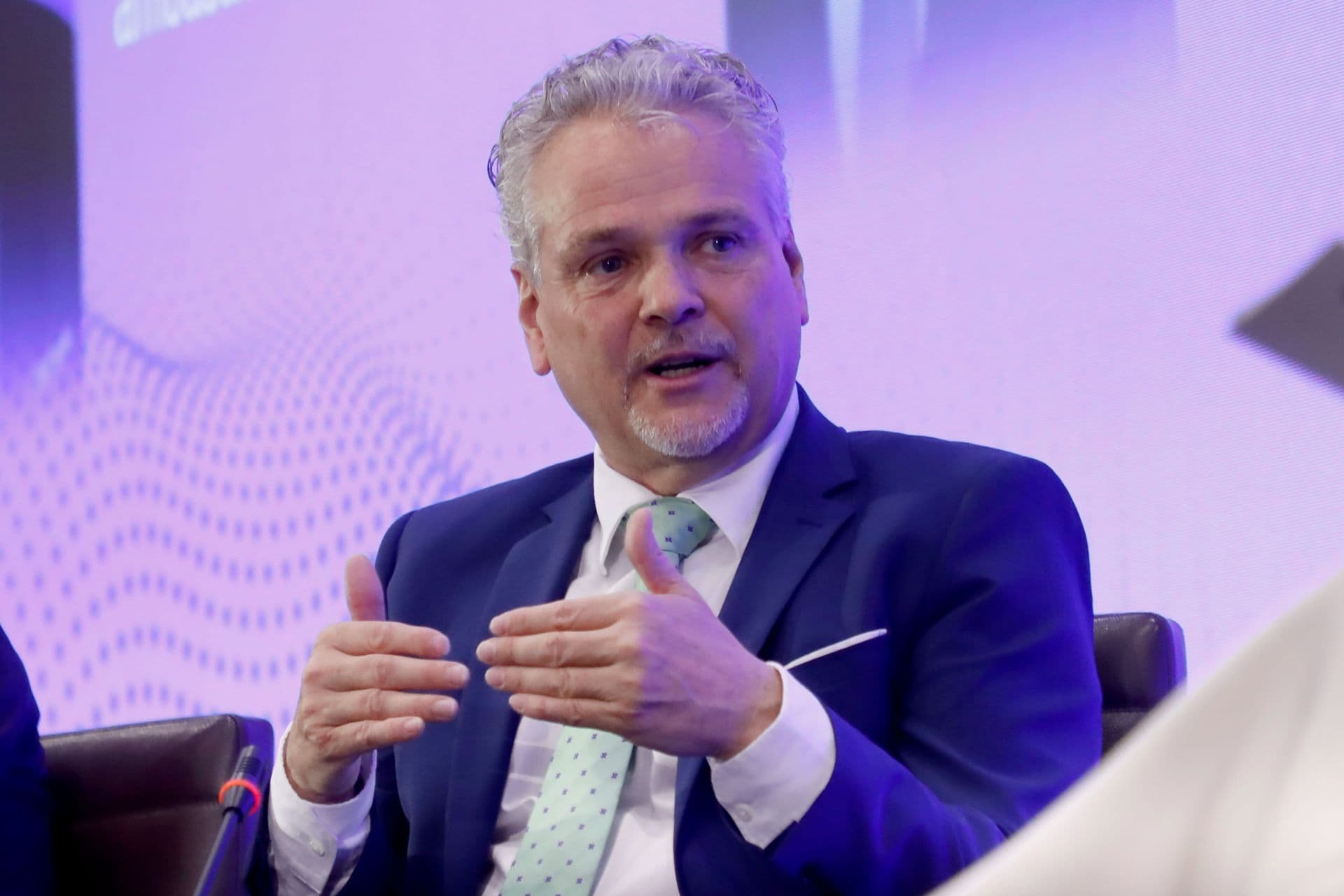
UPDATE: EU Ambassador to Montenegro, Johan Satler, has just announced that Montenegro is on track to potentially become the next member of the European Union (EU) by 2028. However, he stressed that crucial reforms in the judiciary and rule of law are imperative for this goal to be realized.
In an urgent statement during the “24 Hours” news program, Satler highlighted that the upcoming week will be pivotal as the Intergovernmental Conference is set to take place, where several chapters of negotiations will be closed. “This is a positive message confirming that Montenegro is leading the way, but it’s clear that the work is far from finished,” Satler stated.
He indicated that 2026 will be a decisive year, where numerous chapters need to be closed, particularly those relating to the judiciary and rule of law, known as Chapters 23 and 24. “It’s essential for Montenegro to focus on these areas to advance further,” he added.
Montenegro’s government has ambitious plans, aiming for EU membership by 2028. Although Satler acknowledged the progress made this year, he reminded officials that “the deal is not yet struck.”
The ambassador did not comment on remarks made by Serbian President Aleksandar Vučić but emphasized the importance of the EU’s renewed engagement with the Western Balkans. He expressed satisfaction with Montenegro’s accelerated position in recent years.
Moreover, Satler pointed out the significance of appointing missing judges to the Constitutional Court, stating that the absence of judges has created missed opportunities. “We want to see the state focus on these areas,” he urged, expressing optimism that steps will be taken in the coming weeks to fill these crucial positions.
In light of the environmental issues plaguing Montenegro, Satler expressed hope over recent dialogues concerning local water treatment plants. He believes that innovative solutions are on the table, which address long-standing concerns of around 250,000 residents in the Capital, who currently face environmental hazards due to untreated waste.
In a broader context, Satler acknowledged that the closure of Chapter 27 on environmental standards will be one of the last steps in Montenegro’s EU accession process. “This chapter is the most critical and challenging, focusing on the air you breathe and the water you drink,” he stated.
As a significant development, Satler highlighted the EU’s commitment to supporting Montenegro’s environmental campaigns, including the “Protect to Be Protected” initiative aimed at fostering ecological awareness among citizens.
Satler concluded with a powerful message: “Montenegro does not need a generational shift to effect change.” He pointed to tangible progress made in the last six months, including reductions in plastic use and efforts to combat illegal dumping. “This is a shared problem that unites the country, as everyone desires a clean and beautiful environment for future generations,” he affirmed.
With the Intergovernmental Conference approaching, all eyes are on Montenegro as it navigates these crucial reforms. The coming days could redefine the country’s path towards EU membership, making it vital for citizens and officials alike to engage actively in the process.