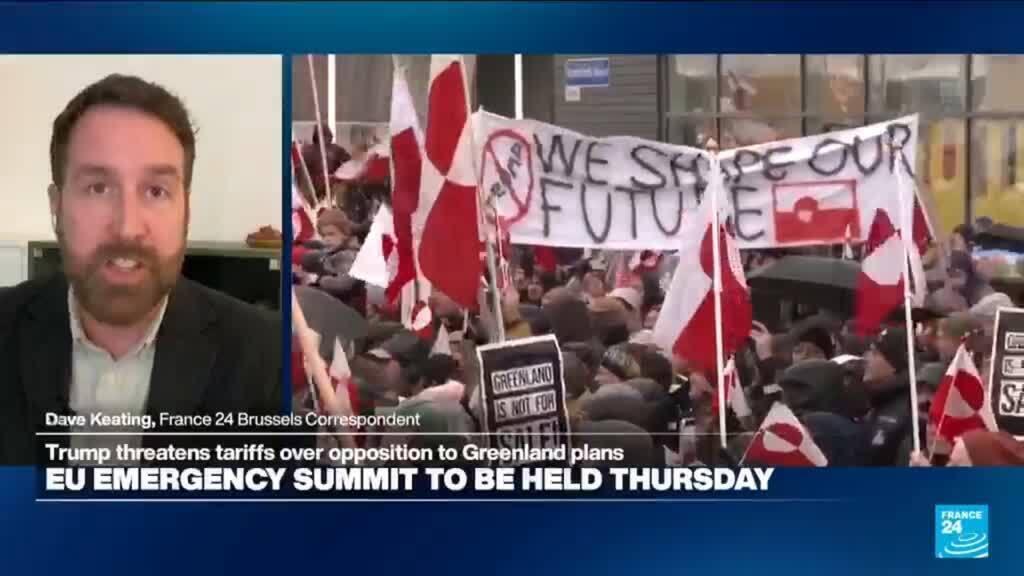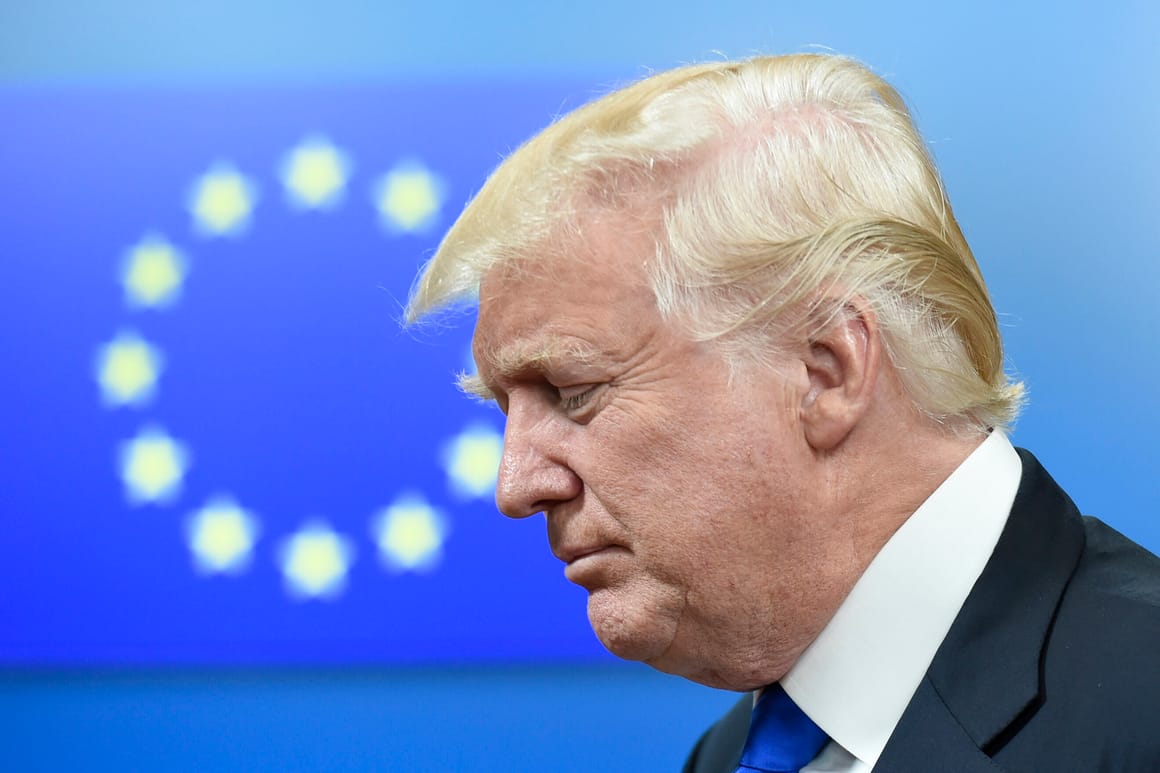
The relationship between the United States and Europe is facing significant challenges, as highlighted by recent comments from former U.S. President Donald Trump. In an interview with POLITICO, Trump expressed a desire for a robust Europe, emphasizing that the continent’s strength is vital for transatlantic cooperation and global stability. This perspective, echoed in the new U.S. National Security Strategy, has sparked a defensive response from European leaders, who often perceive such criticisms as unwarranted intrusions.
Mathias Döpfner, chair and CEO of Axel Springer, the parent company of POLITICO, argues that the European reactions to these remarks are counterproductive. The crux of the matter, according to Döpfner, is that criticisms from the U.S. stem from a place of investment in Europe’s future. He cites the National Security Strategy, which explicitly states, “Our goal should be to help Europe correct its current trajectory.” The document underscores the importance of a strong Europe in the face of global adversaries.
Europe’s Political Landscape and Criticism
Despite the goodwill expressed by American leaders, Döpfner asserts that many European politicians have lost the ability to engage in frank discussions about the continent’s challenges. He points to a pervasive fear among European leaders to speak openly, which has led to a disconnect with their constituents who crave authentic dialogue. This reluctance to accept criticism, he argues, signals a troubling indifference that could have long-term consequences for Europe’s political relevance.
Döpfner highlights that European nations have struggled to deliver on critical issues such as economic growth, affordable energy, and effective migration policies. The initial optimism surrounding the new German government quickly faded as it has failed to fulfill many of its pre-election promises, resulting in disappointment among both citizens and international observers. The blame game among German leadership has further stifled progress.
Countries like France face their own challenges, grappling with the repercussions of colonial history and internal strife. Meanwhile, the UK continues to navigate its post-Brexit identity, while Spain grapples with governance issues that many perceive as counterproductive.
Paths Forward for Transatlantic Cooperation
In contrast, nations such as Finland, Denmark, Poland, and even Italy are demonstrating a more proactive approach in addressing the threats posed by nations like Russia and China. These countries exhibit a commitment to excellence and a willingness to tackle pressing issues head-on. Their ambition stands in stark contrast to the stagnation observed in other parts of Europe.
Döpfner calls for a shift in mindset within Europe, advocating for less wounded pride and a more achievement-oriented patriotism. He suggests that unity and decisive action, particularly in support of Ukraine, could serve as a powerful example of European sovereignty. Such actions, he argues, could potentially influence U.S. policy towards Russia as well.
The need for a comprehensive reform agenda is urgent. A new approach to migration, moving away from a model rooted in cultural self-doubt, is essential for fostering a society that respects shared values and legal frameworks. Failure to act on these fronts could validate the criticisms leveled by American leaders.
Ultimately, the crisis in transatlantic relations may offer an unexpected opportunity for renewal. The potential for a New Deal between the EU and the U.S. could pave the way for tariff-free trade and a unified policy on security matters. This alliance could revitalize both economies, emphasizing shared interests and mutual benefits.
As Winston Churchill famously noted, “Never waste a good crisis.” The current state of affairs in Europe and its relationship with the United States presents a crucial moment for leaders to engage constructively, fostering an environment where criticism is not merely tolerated but embraced as a catalyst for progress.