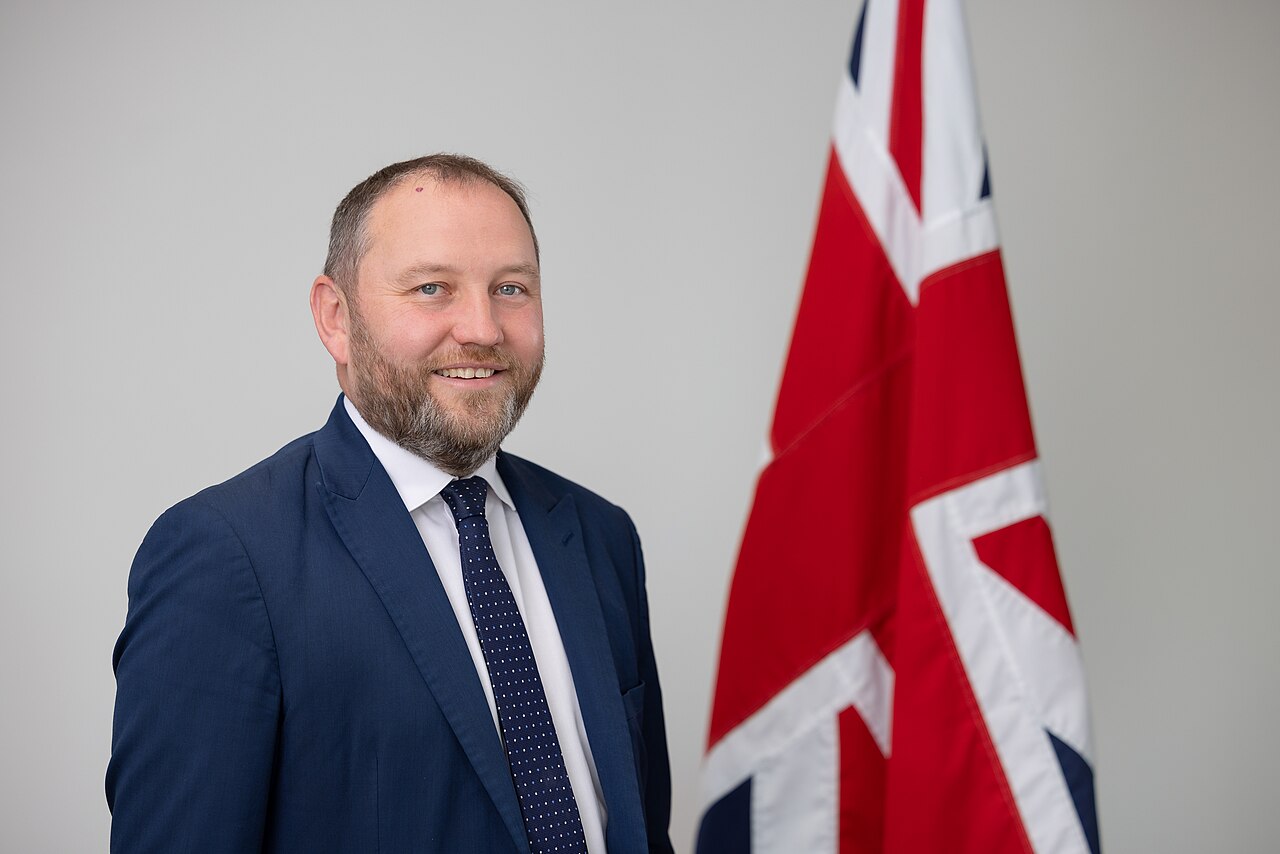
UPDATE: UK Technology Minister Ian Murray has just returned from the G7 summit in Montreal with a bold commitment: artificial intelligence (AI) will significantly reduce costs for taxpayers. The new £1.16 million deal with Canada aims to fast-track AI adoption among British businesses, a promise that comes on the heels of high-profile technology failures.
Murray stated that this partnership will “cut costs for hardworking people” as the UK and Canada collaborate on developing faster, greener semiconductor technology and sharing AI tools for public services. The urgency of this announcement is underscored by the government’s troubled history with tech initiatives, raising questions about the viability of these new promises.
The NHS National Programme for IT is a cautionary tale, having collapsed after nine years at a staggering cost of £12.7 billion, widely regarded as one of the worst contracting fiascos in public sector history. A Public Accounts Committee report condemned it for delivering only £2.6 billion in benefits—just 20 pence for every pound spent—before being scrapped in 2011.
In a similar vein, the government’s COVID-19 Test and Trace app faced its own challenges, costing £36 million but ultimately failing to deliver on its promise due to technical issues and poor management. An Excel error in October 2020 resulted in the omission of over 15,000 COVID cases, making its abandonment all the more critical.
Despite these failures, the government is now pushing for a renewed focus on AI. The G7 agreement emphasizes accelerating AI adoption among small and medium-sized enterprises (SMEs). However, many business leaders remain skeptical. According to the Institute of Directors, 51% of business leaders lack AI expertise, and 43% of SMEs have no plans to adopt AI at all, as reported by the British Chambers of Commerce.
Jarmila Yu, founder of YUnique Marketing, expressed concerns, stating, “AI presents significant challenges, especially for SMEs who are resource-light, time-poor, and budget-constrained.” This highlights the gap between government ambitions and the reality faced by small businesses.
The urgency for the UK government is clear: to achieve its ambitious goal of unlocking £400 billion in economic growth through AI, it must first overcome its history of failed IT projects. The G7 agreement promises public-private partnerships and investment in skill development, yet skepticism remains high among SMEs who are wary of the government’s capabilities.
As Murray insists this time will be different, the pressing question is whether the government can effectively foster a culture of trust and expertise around AI technology. Until proven otherwise, the £400 billion AI vision feels more like wishful thinking than a solid plan.
In the coming weeks, watch for further developments as the UK government rolls out its AI initiatives and attempts to restore confidence among its business sector. The stakes are high, with taxpayers and small businesses keeping a close eye on how this new partnership unfolds.