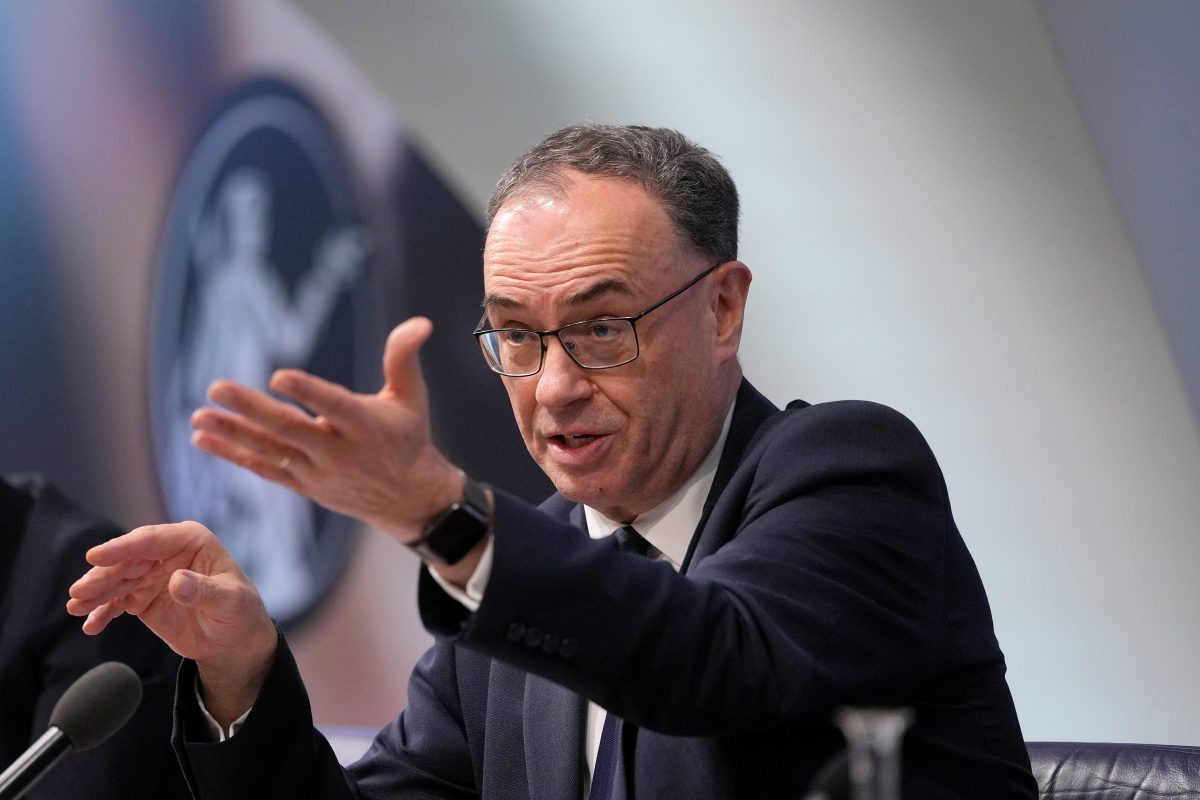
The Governor of the Bank of England, Andrew Bailey, has called for a more lenient regulatory framework for the expanding private credit sector, despite concerns that its instability poses a significant threat to the UK’s financial system. Speaking at the Financial Times’ Global Boardroom summit, Bailey argued that the repercussions of a banking crisis would be far more severe than those from private credit failures. He emphasized the need for differentiated regulation, stating, “the liability side of banks is money,” which, in a crisis, directly impacts households and businesses.
Bailey explained that while banks are primarily responsible for safeguarding money, private credit firms operate on a different basis, dealing with investments. “People have to make money, but sometimes they will lose money as well,” he added, underscoring the inherent risks of investment.
Heightened Scrutiny on Private Credit
The private credit industry, often referred to as shadow banking, has faced increased scrutiny following several high-profile corporate collapses associated with it. These incidents have raised alarm about a potential downturn across the sector, which has seen rapid growth since the 2008 financial crisis. Last week, the Bank of England announced it will conduct its first-ever stress test to assess the role of private credit in the UK economy, indicating a shift towards treating these firms similarly to traditional banks.
The Bank’s latest Financial Stability report identified a sector-wide downturn in private credit as one of the primary threats to the UK economy. Proponents of the private credit model argue that, due to their closed and long-term lending structures, these loans pose less of a risk to the broader financial system compared to traditional banking crises. However, Bailey noted that recent failures, including those of First Brands, Tricolor, and Primalend, suggest deeper issues within private credit markets, likening some practices to those that preceded the 2008 financial crash.
Regulatory Challenges and Diverging Views
The regulatory landscape surrounding private credit is contentious, with central banks and regulators showing mixed opinions on the best approach to oversight. Concerns have emerged regarding the possibility of investors engaging in ‘financial arbitrage’ by exploiting the less stringent regulations governing non-bank lenders.
In the United States, officials have proposed reducing regulatory burdens on banks to create a level playing field between the two sectors. Conversely, Christine Lagarde, President of the European Central Bank, has advocated for increased scrutiny on private credit funds. Bailey cautioned against taking the arbitrage argument too literally, emphasizing the importance of maintaining the fundamental differences between banks and non-banks. “It’s important to have trusted money,” he said, stressing that investment environments should not be excessively restricted in efforts to protect the value of every investment.
As the Bank of England navigates these challenges, the future of private credit regulation remains uncertain, balancing the need for stability with the desire for innovation in the financial landscape.