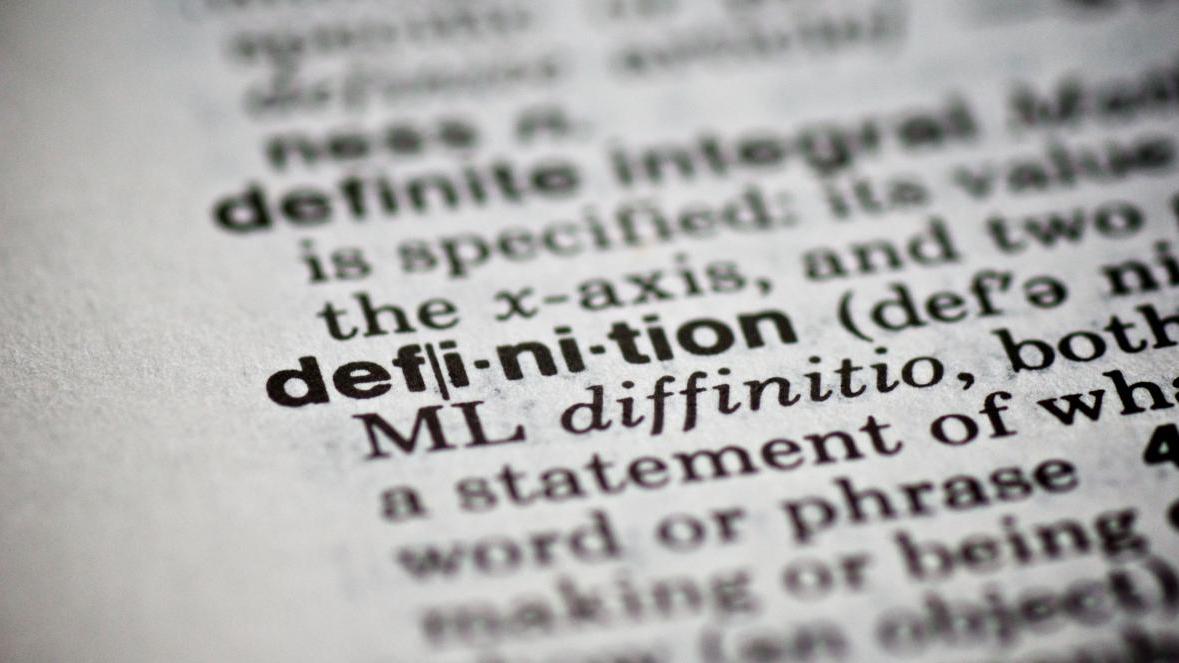
Language enthusiasts are abuzz as dictionaries announce new words and trends that reflect the evolving cultural landscape. On December 11, 2025, both Oxford Languages and Merriam-Webster unveiled their latest additions, highlighting a growing acceptance of terms that resonate with contemporary experiences and technological advancements.
Among the most notable entries is the term “goblin mode,” which describes a state of self-indulgence and unapologetic laziness, often embraced during times of stress. This phrase has gained traction on social media, particularly during the pandemic, as many individuals sought comfort in casual habits. The term captures a sentiment many can relate to, reflecting a shift in how society views productivity and personal well-being.
Another significant addition is “metaverse,” a concept that signifies a collective virtual shared space, created by the convergence of virtually enhanced physical reality and persistent virtual reality. As technology continues to evolve, the metaverse has become a focal point of discussions around digital interactions, workspaces, and even socializing, indicating a transformation in how people engage with the digital world.
The inclusion of these terms not only showcases the influence of popular culture on language but also highlights broader societal shifts. According to Oxford Languages, these words encapsulate the changing dynamics of human interaction and the impact of technological advancements on daily life.
As linguistic trends evolve, dictionary publishers are keen to stay relevant by incorporating terms that resonate with younger generations and reflect current events. “Language is a living entity,” said a spokesperson from Merriam-Webster. “It adapts and evolves, mirroring the experiences of those who use it.”
The growing prominence of social media has accelerated the pace at which new words enter mainstream vernacular. Platforms like Twitter and TikTok have significantly influenced language, allowing phrases to gain popularity overnight. This rapid dissemination has led to a richer, more varied lexicon that continues to develop in real-time.
In addition to “goblin mode” and “metaverse,” other noteworthy terms introduced include “climate anxiety,” reflecting growing concerns about environmental issues, and “cryptocurrency,” which has become a staple in discussions surrounding finance and investment.
The ongoing changes in language serve as a reminder of the power of words to shape thought and cultural identity. As new terms emerge, they offer insight into the values, challenges, and aspirations of society.
By documenting these linguistic trends, publishers like Oxford Languages and Merriam-Webster not only preserve language but also highlight the importance of adaptation in an ever-changing world. The latest updates signal a recognition of the diverse experiences that define contemporary life, ensuring that language remains a reflection of its users.