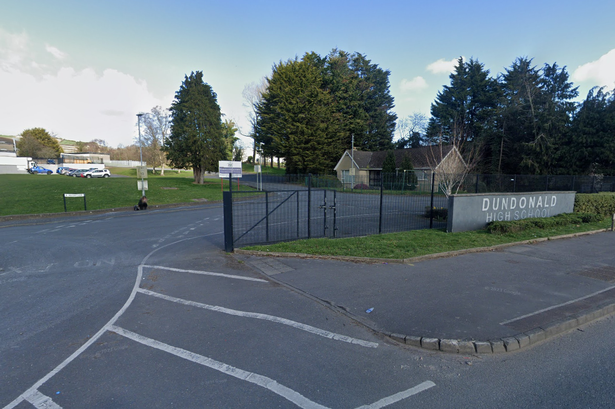
Concerns about the heating system at Dundonald High School in County Down have intensified as ongoing issues disrupt students’ education. A parent has criticized the Education Authority for inadequately addressing infrastructure problems that were highlighted in a report from December 2024. The report raised multiple health and safety concerns, including leaking roofs and insufficient heating in various parts of the school.
The parent, who spoke to Belfast Live, noted that the situation has not improved since the previous year. She described the heating problems as persistent, stating that younger students are now being sent home to study remotely due to the lack of adequate heating. “The school is doing everything they can; it’s actually the Education Authority that is failing,” she said.
According to the parent, the school had previously received new boiler houses, which were intended to resolve heating issues. However, these systems have now malfunctioned. She emphasized that the heating infrastructure is outdated, leading to ongoing problems. “The Education Authority has papered over everything with a plaster,” she remarked.
Funding challenges have further complicated the situation. The parent acknowledged that the Education Authority faces financial constraints, which limit their ability to address these issues effectively. “For this to be happening in this day and age is crazy. They don’t even have warm water most days,” she added.
In response to the ongoing heating crisis, the Education Authority stated that repairs are extensive and are being handled as quickly as possible to allow the school to reopen fully. They expressed concern over the growing backlog of repairs needed across schools in Northern Ireland, attributing the delays to budgetary limitations.
Communicating with parents, the school acknowledged that they have “experienced a number of leaks” causing heating issues. In an email sent on December 9, 2024, they noted that temporary electric heaters provided by the Education Authority disrupted the school’s electricity supply, leading to a decision to move younger pupils to remote learning.
The email explained that Year 8, 9, and 10 students will continue their studies from home, while Year 11 and 12 students will remain on-site in heated classrooms. “Every lesson counts in the lead-up to their exams and controlled assessments,” the letter emphasized, highlighting the priority given to these year groups.
A recent inspection report by the Education and Training Inspectorate, released in January 2025, confirmed significant deficiencies at the school. It noted that only one out of five boilers is operational, and many classrooms are left without heat. Furthermore, it mentioned issues with single-glazed windows and blocked toilet facilities, which negatively affect students’ ability to attend classes promptly.
A spokesperson for the Education Authority reiterated the extensive nature of the required repairs, stating that part of the school must remain closed to ensure safety during the work. They acknowledged the challenges faced by schools across the region due to a lack of funding and an increasing maintenance backlog. “This is an increasingly unsustainable position,” the spokesperson said, warning that without significantly increased funding, the condition of school buildings will continue to decline, resulting in further disruptions to education.
The situation at Dundonald High School underscores the pressing need for investment in educational infrastructure to ensure that students can learn in a safe and comfortable environment. As the school community grapples with these challenges, the call for urgent action from the Education Authority becomes increasingly critical.