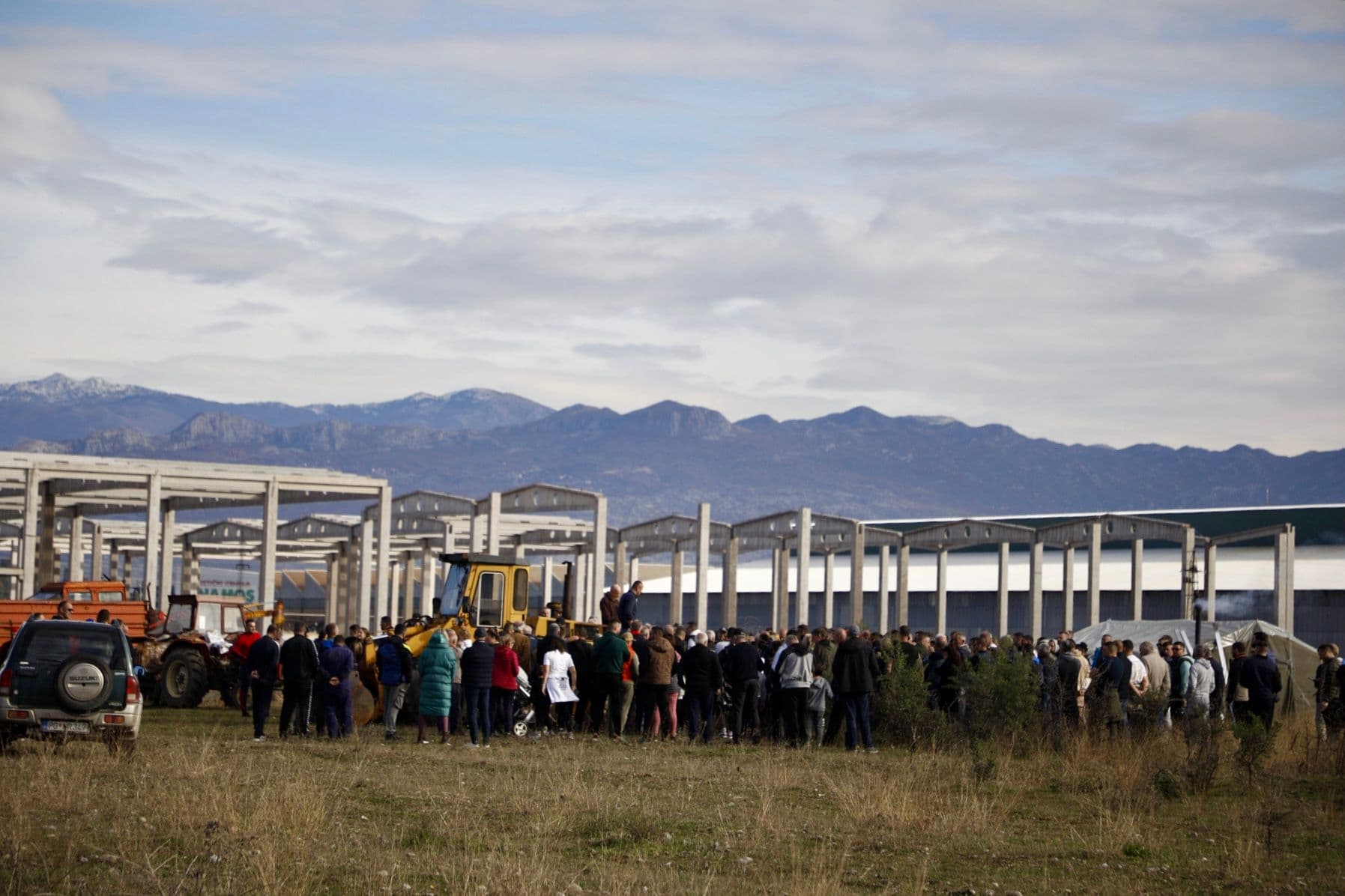
Efforts to establish a wastewater treatment facility in Botun, Montenegro, have hit a significant roadblock as local residents have firmly rejected a government proposal meant to address their concerns. On December 10, 2023, the government provided assurances regarding the construction, promising that the facility would not become operational until the existing red sludge pool is remedied. This issue has long troubled the citizens of Zeta.
Despite the government’s attempts to reassure the community, residents expressed their dissatisfaction, stating that the proposal was merely a reiteration of previous offers made by the Mayor of Podgorica, Saša Mujović. “The government does not listen to us. We are against the location, and they offer us what we’ve already heard,” a representative of the Botun community affirmed, emphasizing their determination to oppose the project.
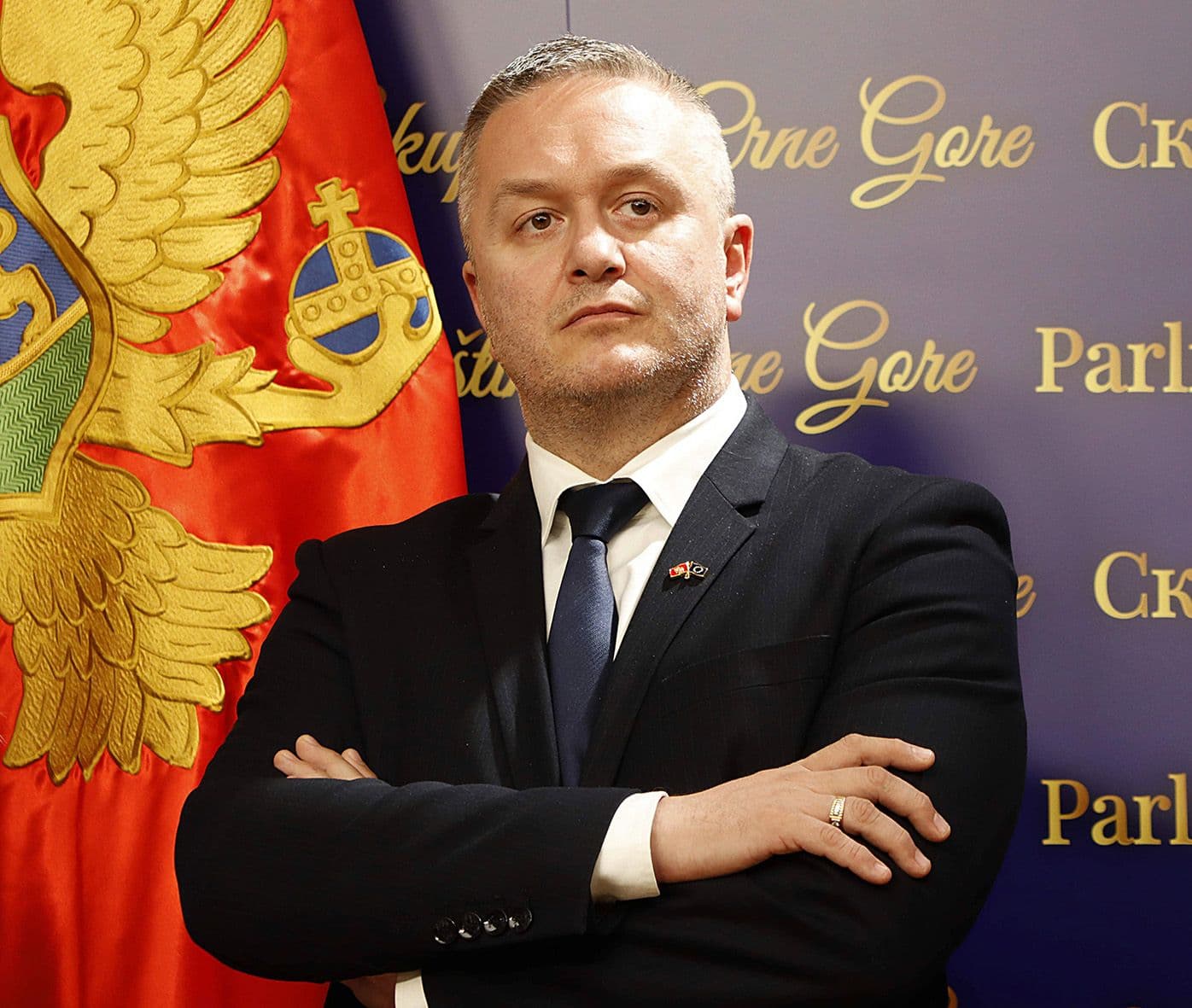
The situation escalated during a press conference featuring leader of the Democratic People’s Party (DNP) Milan Knežević and Mihailo Asanović, the Mayor of Zeta. They pointed out that the decision regarding the project should ultimately lie with the citizens, underscoring that the government’s proposal lacks a crucial element: a change of location, which is central to the residents’ demands.
Mujović maintained a firm stance in response to the community’s objections. “There is one issue we cannot negotiate: the location for the wastewater treatment plant in Botun,” he stated during the press conference. He further elaborated that altering the location would necessitate a new process involving contamination studies and geological analyses, potentially extending the timeline by two to three years.
As of now, no specific date has been set for the commencement of construction. According to Mujović, the necessary permits are in place, and construction could theoretically begin immediately. He reiterated that the facility would not be activated until the red sludge pool is addressed, which is estimated to cost approximately €10 million.
The pressing question remains: what will happen if construction does not commence by the end of the year? Mujović indicated that the government and the municipality are obligated to introduce the contractor to the project according to the contract’s stipulations, with a deadline of December 31, 2023 looming. Failure to meet this deadline could jeopardize available funding from the European Union, which has allocated nearly €33 million for the new sewage system and wastewater treatment plant in Podgorica. The EU has made it clear that Montenegro cannot close Chapter 27—on environmental and climate issues—without the construction of the collector.
On a related note, the EU delegation emphasized that allegations claiming the Botun facility poses a public health threat are unfounded. The government has also been proactive, with Minister of European Affairs Maida Gorčević stating that delays in the construction would incur significant financial repercussions. She expressed full support for Mujović, commending his efforts to resolve persistent issues.
The upcoming referendum regarding the collector, scheduled for December 14, 2023, could potentially sway public opinion. Knežević has made it clear that the results of this referendum will be binding in terms of the construction project. He has also warned that any police intervention against the residents would prompt him to resign from government positions, highlighting his commitment to defending the rights of the citizens of Zeta.
As the situation continues to unfold, both the government and the residents of Botun face crucial decisions that will shape the community’s future and its environmental landscape.