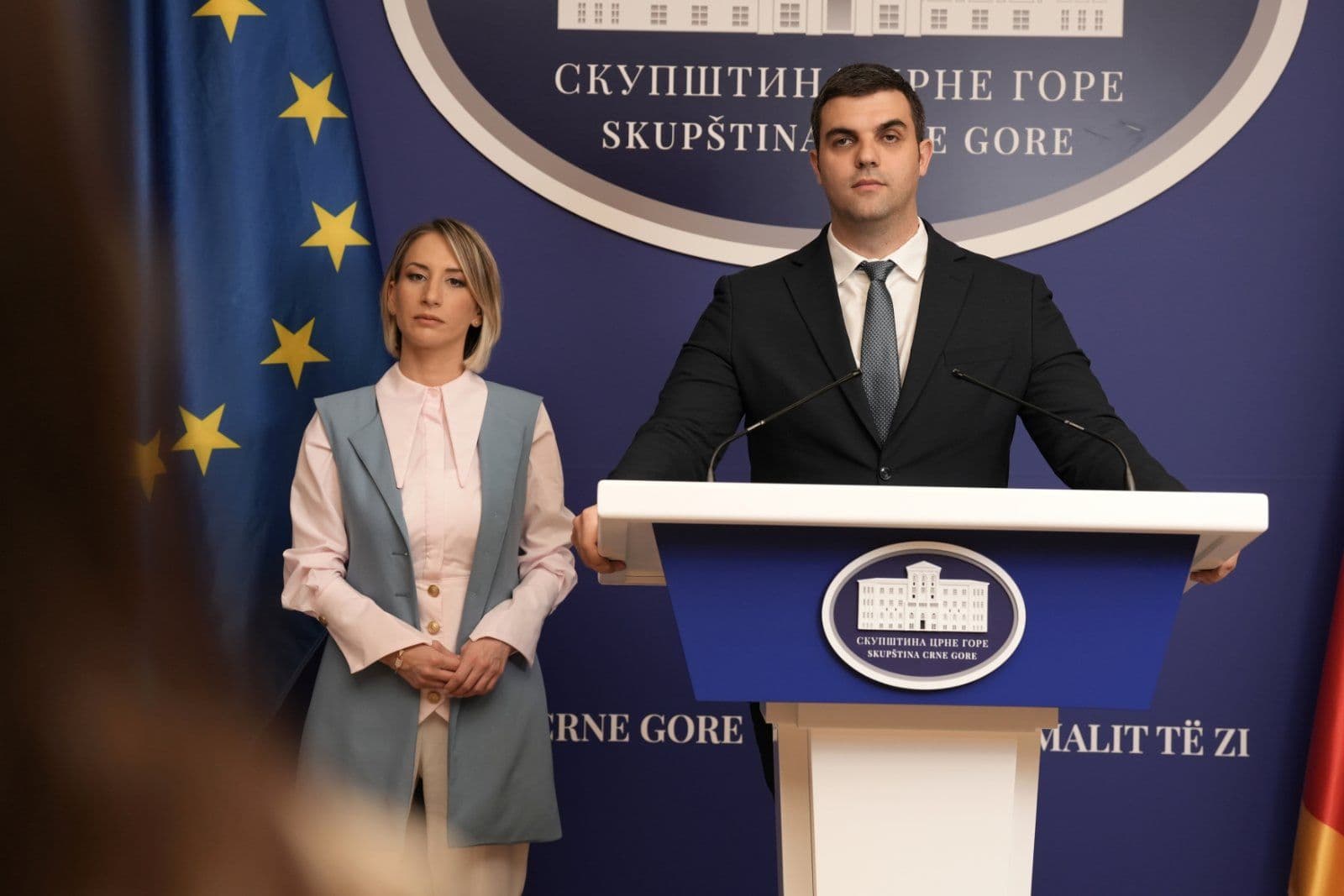
UPDATE: The historic unification of Montenegro in 1918 has been reaffirmed as a political necessity by officials from the Socijalistička narodna partija (SNP), led by Bogdan Božović. The statement emphasizes the significance of this event, highlighting its deep-rooted impact on Montenegro’s national identity and governance.
During a recent address, Božović underscored the importance of the Petrović-Njegoš dynasty, which he described as a “sacred spiritual and secular dynasty, leader and protector of Montenegro.” He cited Metropolitan Amfilohije, who asserted the dynasty’s role in safeguarding Montenegrin traditions and identity, stating, “These are historical facts, not subjects of political interpretation.”
The context of King Nikola’s policies was also discussed, with Minister Jovan Plamenac affirming, “We do not want dynastic or separatist politics; we want a united Serbian front.” This reflects a growing sentiment for inclusivity among the Serbian populace.
Božović further explained that the assembly convened for the unification, known as the Great People’s Assembly, was an organized and inclusive process. “The people elected delegates, who then selected representatives under strict criteria—candidates could not have been convicted of dishonorable acts and had to be at least 25 years old,” he detailed.
The committee tasked with promoting unification received enthusiastic support throughout Montenegro. “The message from Barski Archbishop Šimon Dobrečić was symbolically powerful: ‘I never forget that I am a Serbian primate, and I am ready to do everything to achieve our national ideals – our unification,'” Božović quoted.
Additionally, Muftija Karađuzović echoed similar sentiments, emphasizing the cross-national support for the unification idea among all peoples and faiths in the region. This widespread endorsement highlights the historical significance of the movement.
The SNP firmly asserts that the Podgorička skupština was “absolutely legitimate,” and the unification in 1918 was not merely a political decision but an “historical- political necessity,” recognized by all citizens of Montenegro at that time.
The implications of this declaration resonate deeply today, as it calls for a reassessment of Montenegro’s historical narratives and national identity. The SNP urges all Montenegrins to embrace this legacy and unify for a common future.
As this story develops, further discussions on Montenegro’s historical identity and its implications for current governance and social unity are expected. Keep an eye on this evolving situation as it potentially shapes the future of Montenegrin politics and society.