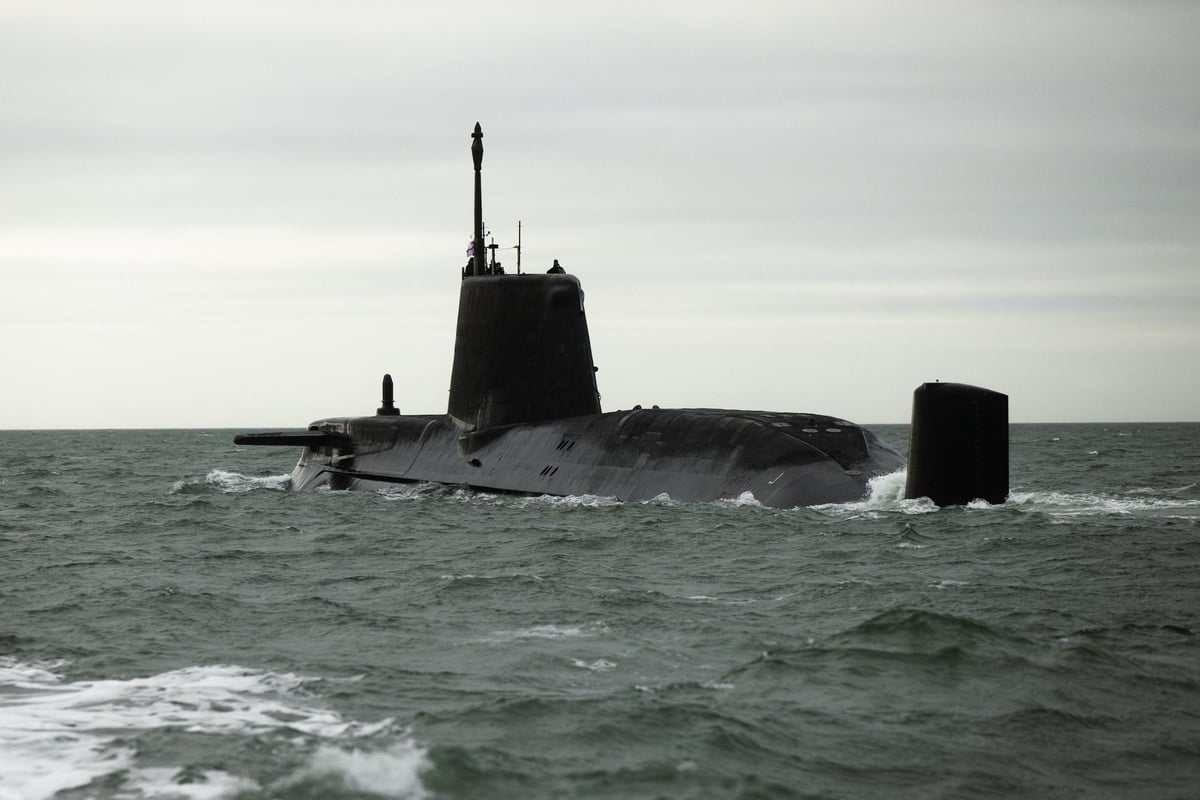
A former First Sea Lord has expressed serious concerns regarding the state of the Royal Navy’s submarine service, describing it as the worst he has encountered in his six decades of military experience. Admiral Sir Philip Jones, who served as First Sea Lord from 2016 to 2019, shared his views during a recent interview, emphasizing the critical need for reform within the submarine fleet.
Admiral Jones highlighted that the current challenges facing the Royal Navy’s submarine service are unprecedented. He pointed to significant issues, including delays in the construction of new submarines and a lack of investment in existing capabilities. These concerns come at a time when the demand for a robust naval presence is crucial for national security.
Concerns Over Operational Readiness
The admiral’s remarks underscore a growing unease about the operational readiness of the Royal Navy’s submarines. He noted that the fleet is struggling to maintain adequate levels of training and support for personnel, which could hinder the UK’s ability to respond effectively to global threats. According to Jones, the current situation poses risks not only to the fleet itself but also to the security of the nation.
In his assessment, Admiral Jones stated, “We are in a parlous state with our submarine service.” Such declarations are stark, considering his extensive background and commitment to the Royal Navy. He attributed the challenges to prolonged budget constraints and a lack of strategic vision for future maritime operations.
The Royal Navy’s submarine fleet is a vital component of the UK’s defense strategy. It is responsible for both deterrent capabilities and intelligence-gathering operations. As the strategic landscape evolves, the need for a capable submarine fleet becomes increasingly important. Admiral Jones’s criticism raises questions about the adequacy of current funding and the long-term sustainability of the service.
Implications for Future Naval Strategy
Jones’s comments come as the Royal Navy prepares to expand its fleet capabilities, including the introduction of new submarines. The future of the fleet, however, depends on immediate action to rectify the current deficiencies. The admiral urged policymakers to prioritize naval investments and ensure that the submarine service receives the support it requires.
The challenges facing the Royal Navy’s submarine service reflect broader trends in military readiness across various nations. As global tensions rise, many countries are re-evaluating their defense strategies and capabilities. The implications of Jones’s statements could resonate beyond the UK, prompting discussions on naval preparedness in allied nations.
In conclusion, Admiral Sir Philip Jones’s candid critique of the Royal Navy’s submarine service highlights urgent concerns about the fleet’s operational capacity. His 60 years of service lend weight to his observations and suggestions for improvement. As discussions on national defense continue, the need for a strong and well-supported submarine fleet remains a priority for the UK.