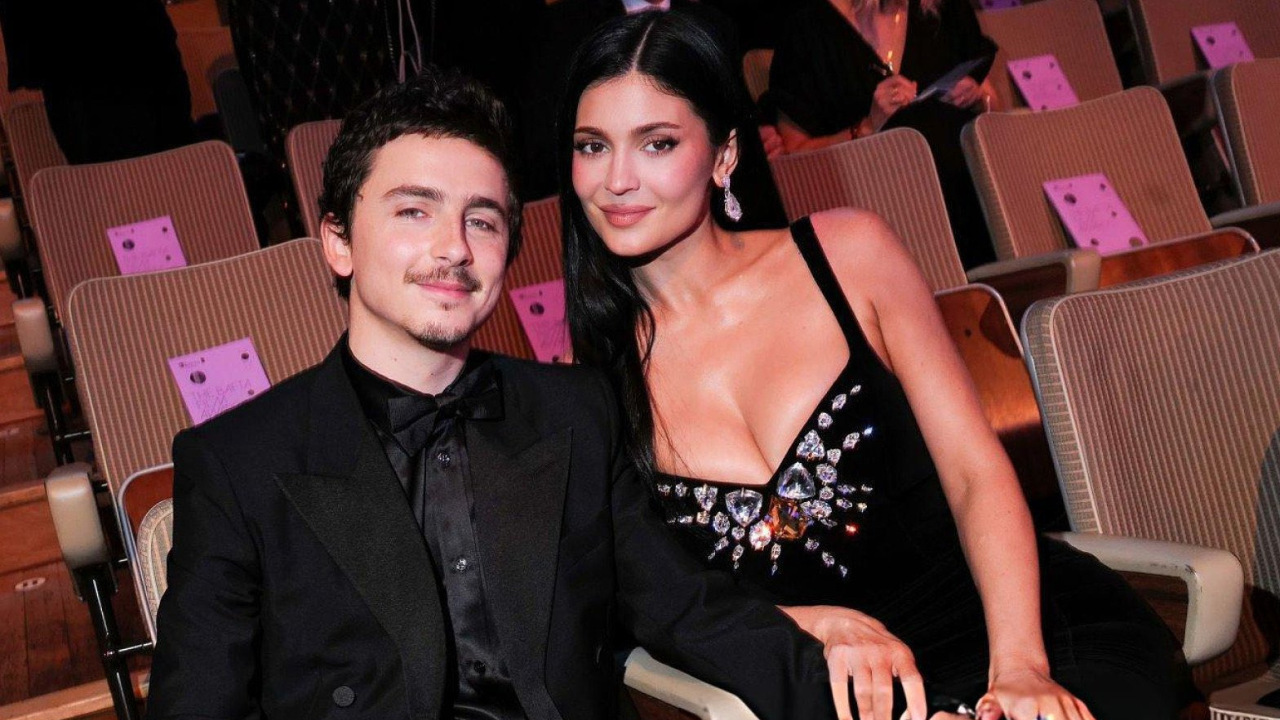
A recent conversation between actors David and Jonathan has ignited a lively debate on masculinity and its portrayal in contemporary society. During a segment of the viral series “Actors on Actors,” David praised Jonathan’s performance in the musical “Wicked,” specifically highlighting a moment where Jonathan’s character is levitated by a female character, Elphaba. David’s remarks about maintaining masculinity while being lifted stirred discussions online, raising questions about the societal perceptions of masculinity.
In the exchange, David expressed admiration for Jonathan’s ability to “maintain [his] masculinity” during the levitation scene, stating, “Every man out there would think there’s no way you can look masculine and powerful and in control when you’re being levitated by a woman.” His comments quickly attracted criticism, with many interpreting them as implying that a man being lifted by a woman is inherently emasculating. This sparked a broader conversation about the implications of masculinity and the societal standards surrounding it.
Jonathan responded smoothly, saying, “Oh my God, yeah. It was a total honor. And also, I mean, listen. I’d be carried by both Cynthia and Ari for the rest of my life if I could be.” This light-hearted retort aimed to diffuse the tension but did not quell the ongoing debate on social media. Critics argued that David’s framing of masculinity seems to reinforce outdated notions, suggesting that powerful women pose a threat to men’s masculinity.
While some defended David’s intention, asserting that he was merely acknowledging a problematic perception, others pointed out that discussing such constructs—even with the intent to challenge them—can inadvertently reinforce them. The core question raised is whether masculinity, often viewed as a patriarchal construct, truly needs to be “maintained.”
The discourse also touches on broader societal issues, such as the perception of strong women in positions of power. Critics highlight that suggesting masculinity needs protection against empowered women may unintentionally validate harmful stereotypes. The conversation reflects ongoing tensions regarding gender roles and expectations in contemporary culture, particularly as society grapples with evolving definitions of masculinity and femininity.
Despite the contentious nature of the comments, the incident has led to a flurry of memes and social media engagement, showcasing the internet’s penchant for humor in contentious discussions. While the memes may provide a temporary distraction, the underlying questions about masculinity and gender dynamics remain critical in ongoing cultural dialogues.
In conclusion, the exchange between David and Jonathan serves as a reminder of the complexities surrounding discussions of masculinity. As society continues to navigate these issues, it is essential to approach conversations thoughtfully, considering the implications of our words and the perceptions they may reinforce. The debate may have started with a light-hearted exchange, but it highlights deeper societal questions that warrant ongoing exploration and reflection.