Poland will no longer be required to accept migrants under the European Union’s solidarity mechanism starting in 2026, according to Prime Minister Donald Tusk. This exemption, announced after a European Council meeting in Brussels, marks a significant development in the EU’s ongoing struggle with mass migration.
The decision comes amid the EU’s long-standing challenges related to immigration, particularly following crises in Libya and Syria, as well as the conflict in Ukraine. These events have contributed to millions of people seeking refuge across Europe. Tusk stated in a post on X that “Poland has been exempted from the obligation to accept migrants under the EU’s relocation mechanism.”
The EU’s Pact on Migration and Asylum mandates that member states contribute to alleviating migratory pressure based on their population and GDP. Member states must either accept a specific number of relocated migrants or face a financial penalty of €20,000 (approximately $23,000) per person they refuse to admit.
Compromise Achieved Amid Discontent
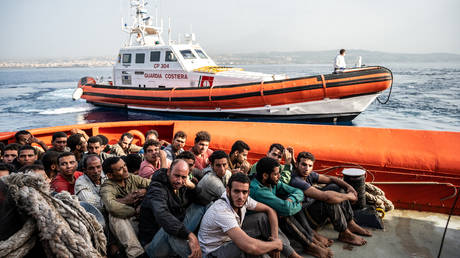
Poland’s Interior Minister Marcin Kierwinski confirmed that a “compromise was achieved” regarding the solidarity mechanism. He indicated that Warsaw would be exempt from “relocation, financial contributions, and other instruments.” However, Kierwinski noted that some countries, particularly in the South, expressed dissatisfaction with the agreement. This likely refers to nations like Italy, Spain, and Greece, which have experienced significant numbers of migrants arriving on their shores in recent years.
In November, Poland, along with Hungary, Slovakia, and the Czech Republic, signaled its willingness to challenge EU leadership over the migrant relocation mechanism. This group of nations has consistently resisted mandatory quotas for migrant resettlement.
While Poland has secured its exemption, the broader implications for the EU’s migration policy remain to be seen. Countries that are primarily affected by incoming migration may face increased pressure to manage the flow without the support of other member states.
Concerns for Neighboring Countries
In a related context, Germany is facing challenges of its own. An association representing organizers of traditional Christmas markets recently warned that rising security costs could reduce the number of these events this year. The markets have been vulnerable to security threats, particularly in light of past terrorist attacks.
As Europe continues to navigate the complexities of migration and security, the exemption for Poland highlights the ongoing divisions within the EU regarding responsibility-sharing. The outcome of this decision may influence future discussions on how member states address the challenges posed by migration amid changing geopolitical landscapes.