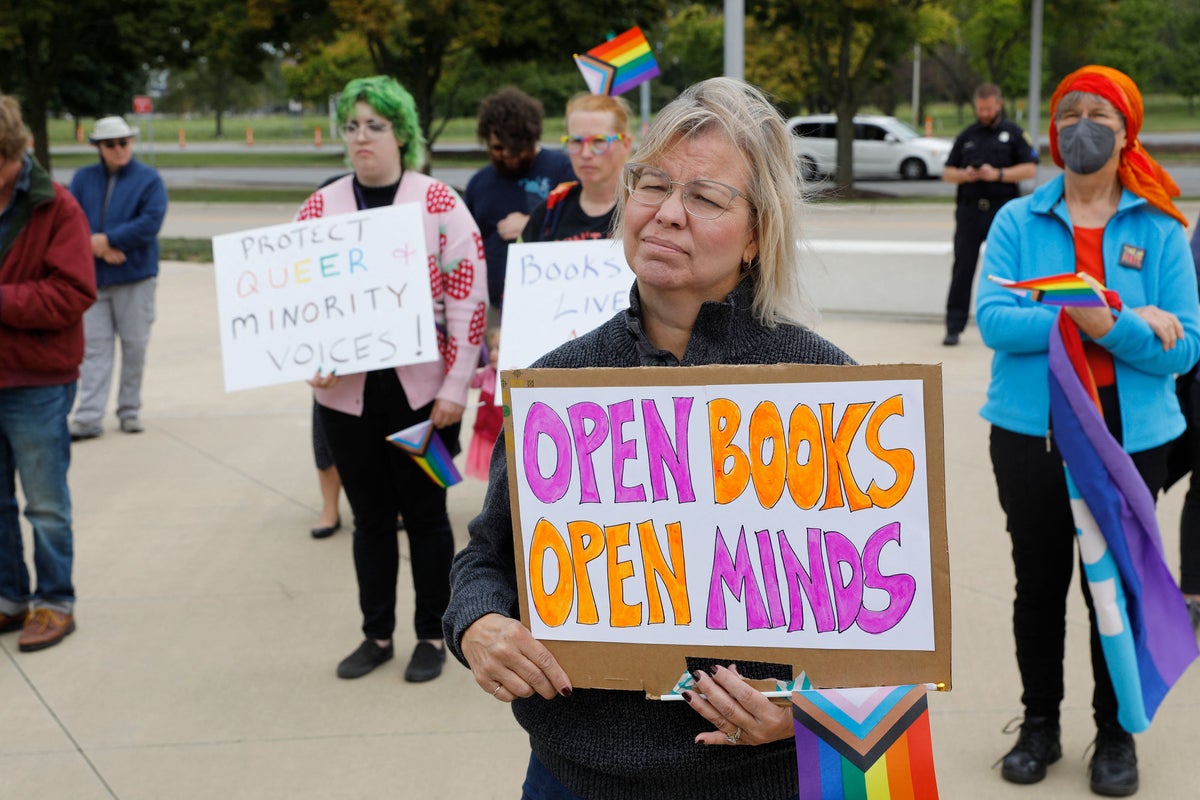
The U.S. Supreme Court has decided not to hear an appeal regarding the removal of 17 books from public libraries in Llano County, Texas. This ruling leaves in place a controversial decision made by the 5th U.S. Circuit Court of Appeals, which upheld the right of local authorities to remove titles focusing on themes of race and LGBT identity. The court’s action has reignited discussions about free speech and the accessibility of information in public libraries.
The books in question were removed following a request from a faction of local residents in 2021. These titles included works addressing sensitive subjects such as transgender issues, race, and even childhood bodily functions. Among the removed titles is the 1970 classic “In the Night Kitchen” by acclaimed author Maurice Sendak, notable for its depiction of a nude boy character.
Legal Background and Implications
The 5th U.S. Circuit Court of Appeals ruled that residents do not possess a constitutional right to receive information through public libraries, a decision that diverges from earlier interpretations of the First Amendment. In a narrow 10-7 ruling, the court asserted that the removal of books does not equate to a ban, with Judge Stuart Kyle Duncan stating, “If a disappointed patron can’t find a book in the library, he can order it online, buy it from a bookstore or borrow it from a friend.” This perspective suggests that library systems have historically exercised discretion over their collections.
This case has broader implications, particularly as the U.S. has witnessed a surge in book bans driven by conservative groups and newly enacted state laws. The Supreme Court had previously ruled in a 1982 case that school boards cannot remove books simply due to disapproval of their content, but the current ruling from the 5th Circuit raises questions about the extent of the First Amendment’s protections in public libraries.
Community Reactions and Future Considerations
The decision has sparked significant debate within the community and beyond. A group of residents opposed to the book removals filed a lawsuit, claiming that their First Amendment rights had been violated. They argued for the fundamental right to access diverse information and perspectives, essential for a functioning democracy.
In a ruling earlier in 2023, a federal judge had ordered the restoration of the removed books, citing the importance of upholding the public’s right to receive information. However, the 5th Circuit’s reversal of this ruling reflects a growing tension between local governance and constitutional rights.
As the situation develops, it will be essential to monitor how this decision influences similar cases across the United States, particularly in regions affected by increasing restrictions on library collections. The implications extend beyond Llano County, as they may set a precedent affecting public libraries in the states of Texas, Louisiana, and Mississippi.