UPDATE: The Paiz Biennial, now officially rebranded as the Guatemala Biennial, launched its twenty-fourth edition in November 2023, marking a significant pivot towards global engagement in the art world. This year’s event, titled “The World Tree,” showcases the works of 46 artists across 11 venues in Guatemala City and Antigua, aiming to elevate Central American art on the international stage.
For the first time, the Paiz Foundation invited a group of international journalists, curators, and collectors to the biennial, hoping to attract wider attention. Curated by Eugenio Viola, the director of MAMBO in Bogotá, this edition is the largest to date, featuring 30 new commissions from artists around the globe.
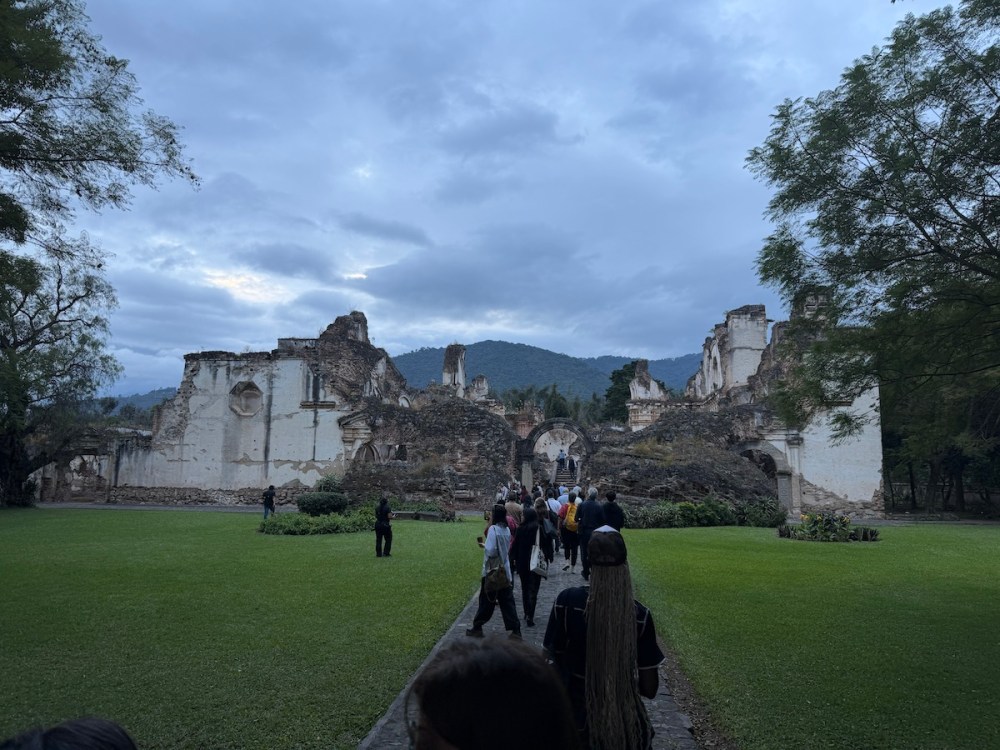
The biennial’s venues, many steeped in history, include stunning locations like a former church and monastery, evoking the region’s rich cultural heritage. Among the highlights is the work of Salvadoran artist Simón Vega, whose piece, Estela del Gobernante F, combines post-apocalyptic aesthetics with traditional Mayan forms.
Viola’s curatorial choices reflect a desire to break from past practices, as previous iterations were often led by Latin American curators. This shift aims to bolster the biennial’s status within global art circuits. The astonishing landscapes of Guatemala, characterized by its volcanoes and lush rainforests, serve as the backdrop for these engaging artistic narratives.
The event also showcases powerful pieces such as Kader Attia‘s installation, Intifada: The Endless Rhizomes of Revolution, which resonates with contemporary global issues, including the war in Gaza. The installation’s slingshots and rebar elements evoke a raw connection to the historical and political landscape of the region.
However, not all contributions were well-received. International artists like Orlan faced criticism for culturally insensitive works that failed to resonate with the local context. This controversy highlights ongoing challenges in cross-cultural exchanges within the art community.
In a stark contrast, Jorge de León‘s mixed-media presentation reflects the urgent realities faced by many Guatemalans. His sculptures and drawings explore themes of migration, encapsulating the struggles and dreams of those journeying north, particularly poignant for audiences today.
As the biennial unfolds, observers are keen to see how these artistic expressions will influence perceptions of Guatemala and its cultural identity on a global scale. The exhibition runs through the remainder of November, and further developments are expected as international attention continues to grow.
This year’s Guatemala Biennial not only celebrates art but also confronts critical social issues, promising a thought-provoking experience for all attendees. Stay tuned for more updates as this impactful event continues to evolve.