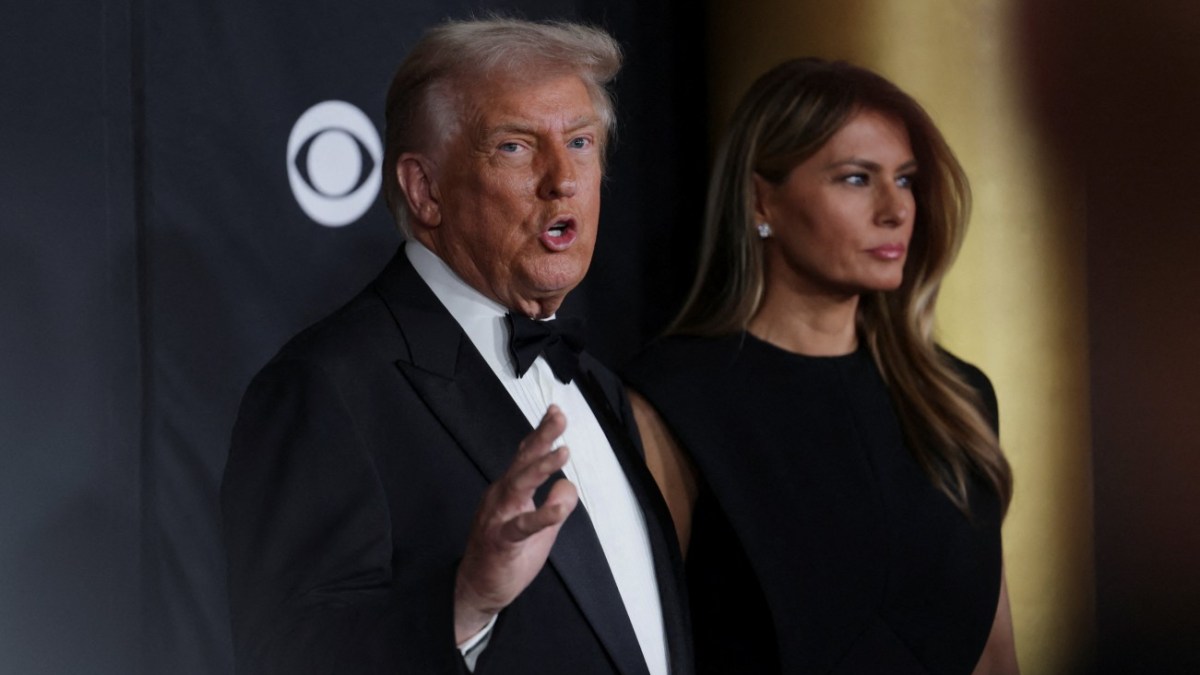
Donald Trump has raised concerns about Netflix‘s proposed acquisition of Warner Bros Discovery’s film and television studios, suggesting that the combined entity could face regulatory hurdles due to its significant market share. The deal, valued at approximately $83 billion, is projected to command around 30 percent of the U.S. streaming market.
During a recent meeting with Ted Sarandos, co-CEO of Netflix, Trump expressed that the merger must undergo scrutiny from regulators. “We’ll see what happens. But it is a big market share. It could be a problem,” he stated. This caution reflects growing scrutiny over potential monopolistic practices in the rapidly evolving media landscape.
Netflix is advocating for a broader perspective from regulators, arguing that its competition extends beyond traditional streaming rivals such as Disney+, Max, and Prime Video. The company emphasizes that platforms like YouTube and TikTok, as well as broadcast television and video games, also vie for consumer attention and viewing time.
The streaming industry has seen significant growth, but it comes with challenges as companies strive to maintain competitive advantages. With the merger, Netflix aims to bolster its content offerings and market position, yet concerns about anti-competitive behavior may complicate this ambition.
Regulatory bodies have increasingly focused on the implications of such consolidations, especially in sectors where consumer choices might be limited. The outcome of this deal could set a precedent for future mergers in the entertainment and media industries.
As the situation develops, stakeholders are closely watching how regulators will respond to the proposed merger. The evolving dynamics of the streaming arena will undoubtedly shape the strategies of major players as they navigate this complex landscape.