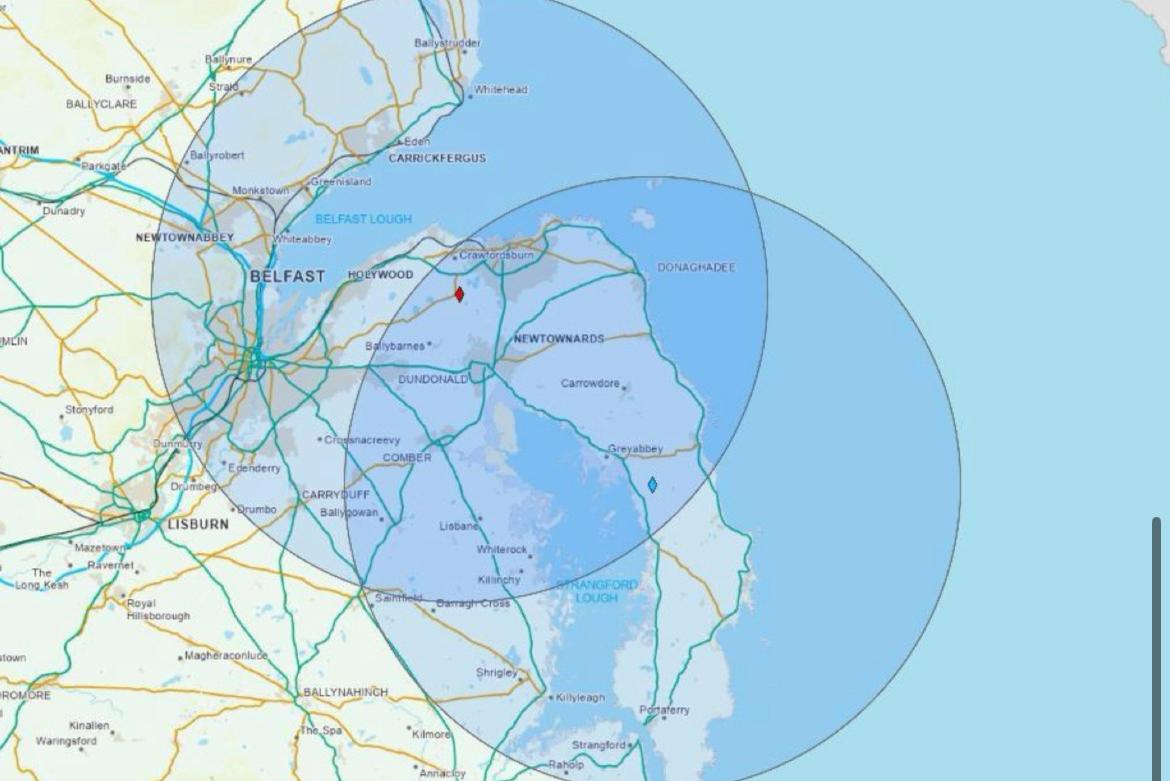
A second suspected case of the Bluetongue virus, known as BTV-3, is under investigation in Greyabbey, County Down. This development has raised serious concerns among farmers, particularly those who own herds or flocks. The announcement was made following confirmation from the Department of Agriculture, Environment and Rural Affairs (DAERA).
In a conversation late on Saturday night, Brian Dooher, Northern Ireland’s Chief Veterinary Officer, provided updates on the emerging situation. He confirmed that the latest case involved a cow discovered during surveillance testing within a 20-kilometre temporary control zone. Consequently, an additional control zone has been established around the affected farm in Greyabbey.
The emergence of BTV-3 is alarming, prompting extensive testing both within and surrounding the newly designated control areas. Dooher stated that investigations remain in the early stages, but monitoring efforts are advancing rapidly. Surveillance of the midge population, which transmits the virus, continues diligently.
Importantly, Dooher emphasized that there is currently no risk to human health, and affected animals are not exhibiting direct clinical signs or symptoms. The identification of BTV-3 is occurring through blood testing, alleviating the immediate need for animal culling.
MLA Emma Lockhart, the Democratic Unionist Party’s (DUP) spokesperson for agriculture, expressed her concerns over the situation. “This is yet another unwelcome and significant challenge for agriculture in Northern Ireland,” she remarked. Lockhart pledged to monitor the developments closely and maintain communication with the chief veterinary officer to ensure DAERA is effectively addressing the issue.
Lockhart stressed the importance of unity among DAERA, the farming community, and industry stakeholders in combating the threat posed by the Bluetongue virus. She urged farmers to familiarize themselves with regulations and the clinical symptoms associated with the virus to mitigate its impact.
BTV-3 primarily affects cloven-hoofed animals, including cattle, sheep, goats, deer, llamas, and alpacas. As a precaution, movement of animals on or off farms within the control zones is strictly prohibited. Farmers can obtain a license from the DAERA website to allow for the direct movement of animals to slaughter.
“The unpredictability of BTV-3, alongside other diseases like avian flu and bovine tuberculosis, poses a significant risk to our livestock sector and rural economy,” Lockhart added. She advised farmers to remain vigilant and adhere to the biosecurity guidelines issued by DAERA.
For those who observe any suspicious symptoms among their livestock, Lockhart recommended contacting local veterinarians or reaching out to the DAERA helpline at 0300 200 7840. She acknowledged the emotional toll these developments may have on farmers, stating, “Farming can be a lonely occupation, and I realize many farmers will be anxious and overwhelmed by these latest developments.”
Support resources are available, and Lockhart encouraged those feeling stressed or isolated to connect with family, friends, or organizations like Rural Support at 0800 138 1678, or via email at [email protected].
As Northern Ireland navigates this critical situation, effective communication and community support will be essential in safeguarding the agricultural sector from the impact of BTV-3.