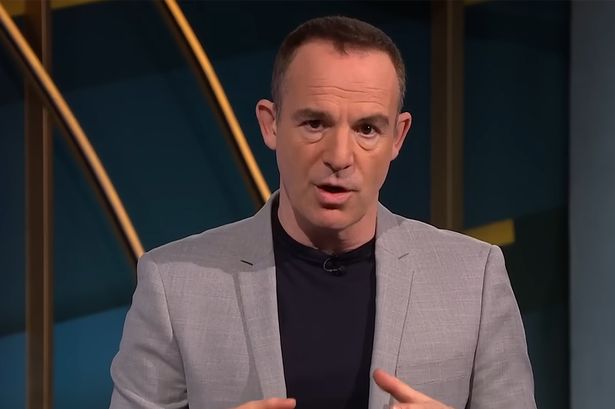
Martin Lewis, the founder of Money Saving Expert, has issued a critical warning regarding payment methods associated with UK bank cards. During a recent episode of his BBC podcast, Lewis emphasized the importance of understanding the protections linked to different types of regular payments. He highlighted that consumers may have “far fewer rights” when using certain payment methods, particularly when it comes to subscriptions and recurring charges.
Lewis clarified the distinction between two common payment types: direct debits and recurring payments. Direct debits, which require bank account details, provide consumers with robust protections. In contrast, recurring payments made with a bank card offer significantly less security. For instance, when consumers set up a payment for services like a gym membership or streaming subscriptions such as Netflix or DisneyPlus, providing long bank card numbers means they are subjecting themselves to a weaker consumer rights framework.
Understanding Payment Protections
In his explanation, Lewis pointed out that when individuals use their card details for a payment, they are effectively granting permission for the provider to charge their card whenever necessary. This arrangement allows each charge to be treated as an individual transaction, which diminishes the level of consumer protection available.
Conversely, direct debits are governed by stringent regulations. Lewis noted, “With the direct debit guarantee, it’s actually far stronger, it’s a specific thing.” Should a consumer wish to cancel a direct debit, they simply need to contact their bank, which is obligated to cease all future payments. Moreover, if there is a dispute—such as an erroneous charge—banks must provide an immediate refund even before the dispute process begins.
Lewis remarked on the challenges associated with recurring payments, stating, “Disputing it is far more difficult, it’s not instant, it can be declined.” He cautioned that consumers might face obstacles when attempting to halt these payments, as banks often direct them back to the payment provider, complicating the process.
Implications for Consumers
Lewis also pointed out an additional advantage of direct debits: when customers switch banks using the Current Account Switch Service, their direct debits transfer automatically. However, consumers are responsible for moving over any recurring payments themselves to ensure continuity of service.
The consumer advocate stressed the necessity of being informed about the payment methods used for transactions. “If you are making a payment and they are asking you for the card details, not your bank account details, you have far, far fewer protections,” Lewis warned.
By raising awareness of these differences, Lewis aims to empower consumers to make informed choices when establishing payment arrangements. Understanding the implications of payment methods can significantly affect consumer rights and protections, a crucial aspect of managing personal finances effectively.