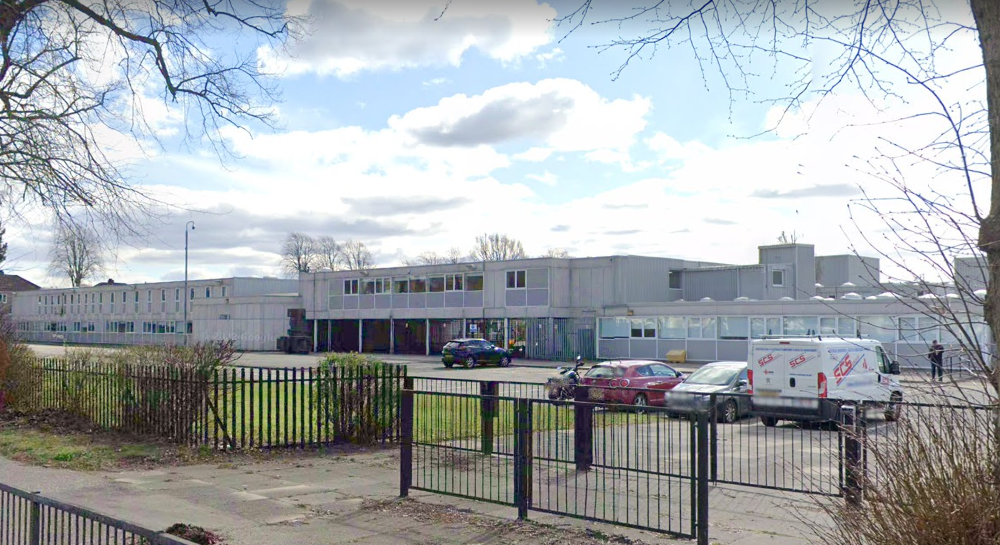
Teachers in Glasgow have voiced strong support for the city’s bilingual pupils following controversial remarks made by Nigel Farage regarding immigration. The former UKIP leader’s comments, which suggested that immigrants do not contribute positively to society, have sparked outrage among educators who believe these students are vital assets to the local community.
In a statement released on September 24, 2023, members of the Scottish Teachers’ Union highlighted the value that English as an Additional Language (EAL) students bring to Glasgow. Teachers emphasized that these pupils not only enrich the classroom environment but also contribute to the city’s cultural diversity and economic growth.
Glasgow has a significant population of EAL students, with the Glasgow City Council reporting that approximately 20% of pupils in some schools come from non-English speaking backgrounds. Educators argue that these students offer unique perspectives and skills that enhance the educational experience for all learners.
The backlash against Farage’s comments reflects a broader sentiment within the educational community. Many teachers are committed to fostering an inclusive environment that recognizes the strengths of bilingualism. “Our bilingual pupils help break down barriers and promote understanding,” said Linda McLeod, a senior teacher at a local secondary school. “To label them as a burden is not only misguided but also detrimental to the progress we aim to achieve in education.”
In response to the controversy, the Glasgow City Council reiterated its stance on inclusivity and support for all students, regardless of their linguistic background. The council’s education department has implemented various programs aimed at assisting EAL learners, ensuring they receive the necessary support to thrive academically.
Furthermore, a recent survey conducted by the Glasgow University Education Institute found that bilingual pupils often outperform their monolingual peers in various subjects, particularly in languages and mathematics. This research underscores the critical role that language diversity plays in enhancing educational outcomes, aligning with the teachers’ assertions that EAL students are invaluable to the learning community.
As the debate continues, the Scottish Teachers’ Union is advocating for more resources and training for educators working with EAL students. They argue that investing in these programs will yield long-term benefits for both the students and the city as a whole.
The comments from Farage have not only reignited discussions about immigration and education in the UK but also illuminated the positive contributions of bilingual individuals in society. As Glasgow moves forward, the commitment to embracing diversity remains a cornerstone of its educational philosophy.
In a time when immigration is a hotly debated topic, the voices of teachers advocating for their students highlight the importance of recognizing the potential and contributions of every individual, regardless of their background. As Glasgow seeks to build a more inclusive environment, the role of bilingual pupils will undoubtedly continue to be a focal point in shaping the city’s future.