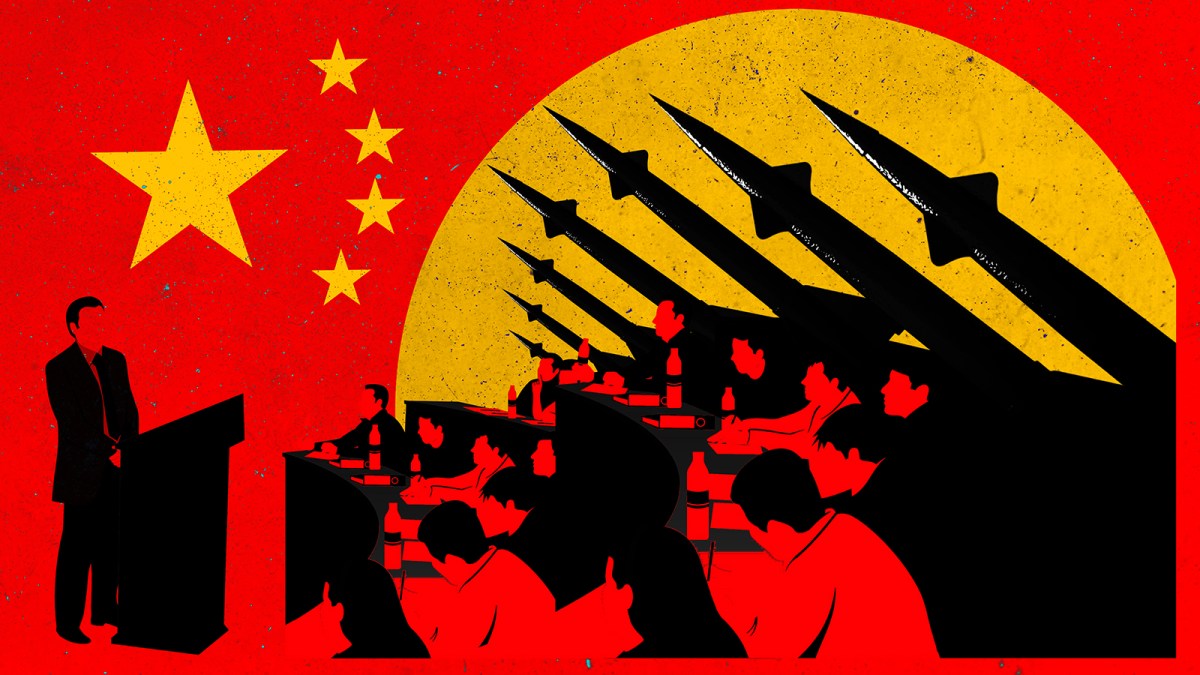
A comprehensive report has revealed that China is systematically utilizing research from the United Kingdom to enhance its military capabilities. The study indicates that approximately 8,000 scientific papers have been produced through collaborations involving around 5,000 academics connected to the People’s Liberation Army (PLA).
This significant finding underscores concerns about the implications of academic collaboration between UK institutions and Chinese entities, particularly those linked to military operations. The report was released by the Defence Science and Technology Laboratory and highlights the growing trend of knowledge transfer that could potentially bolster China’s military edge on the global stage.
Academic Collaborations Under Scrutiny
The research partnerships primarily involve UK universities, which have contributed to advancements in various fields, often under the guise of scientific inquiry. According to the report, many of these collaborations have occurred without sufficient scrutiny regarding their potential military applications. The UK government is now facing calls to reevaluate its policies on academic exchanges with China, especially in light of the findings.
The Ministry of Defence has acknowledged the potential risks associated with foreign collaborations, stating that while international partnerships can foster innovation, they must be balanced with national security considerations. The report emphasizes that the PLA has been actively seeking to exploit civilian research for military purposes, raising alarms within government circles.
Implications for National Security
Experts in the field have expressed concerns that the knowledge gained from these collaborations could lead to advancements in military technology that may counteract the UK’s strategic interests. The findings align with increasing apprehension about China’s global ambitions and its approach to acquiring sensitive knowledge through academic means.
The situation has prompted discussions among policymakers regarding the need for more stringent regulations and oversight on research collaborations with foreign nations. The report’s revelations serve as a wake-up call, urging UK institutions to critically assess their partnerships with Chinese entities, particularly those linked to the military.
As the debate continues, the UK faces the challenge of balancing the benefits of international scientific cooperation with the imperative of protecting national security. The findings from this report will likely influence future policy decisions and shape the landscape of UK-China academic collaborations in years to come.