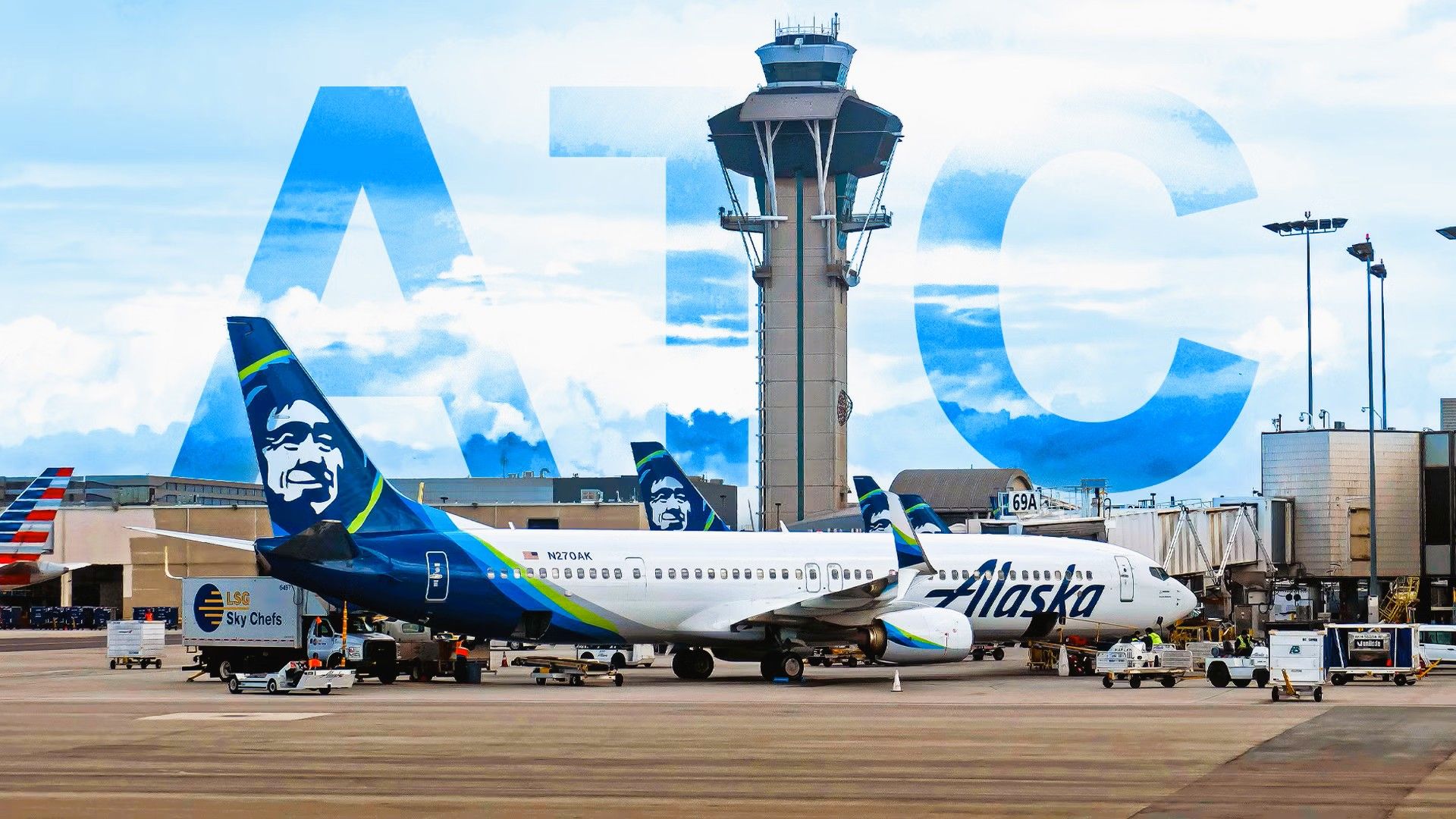
UPDATE: The Federal Aviation Administration (FAA) has just announced a groundbreaking modernization initiative for the United States’ air traffic control system, awarding a massive $12.5 billion contract to Peraton. This urgent overhaul, known as the Brand New Air Traffic Control System (BNATCS), aims to replace outdated infrastructure that has been criticized for decades, as air travel demand surges post-pandemic.
The BNATCS project comes during a critical period, with FAA projections indicating a staggering 80% increase in air traffic over the next twenty years. The current radar-based system, dating back to the 1960s, has proven inadequate, exposed by recent outages at major airports like Newark Liberty International due to software issues. This modernization effort is essential not only for enhancing safety but also for accommodating the growing complexities of aviation.
Key features of the new system include a consolidated Terminal Automation System that will unify operations across more than 500 air traffic facilities nationwide, streamlining communication for improved efficiency. Advanced machine learning software will predict traffic congestion, potentially cutting delays by up to 30%. Furthermore, the BNATCS will feature robust security measures to guard against cyber threats, enhancing overall operational resilience.
Peraton, based in Reston, Virginia, emerged as the prime integrator for this ambitious project, surpassing a joint bid by Parsons and IBM. Peraton CEO Steve Schorer expressed pride in leading this critical transformation, stating, “Today, the US government has entrusted Peraton with a historic opportunity to fundamentally transform America’s air traffic control system.”
Founded in 2017, Peraton has rapidly ascended in the national security sector, employing over 18,000 individuals and generating revenues exceeding $7 billion. The company’s expertise in systems integration and IT solutions positions it uniquely for this monumental task. Peraton’s past collaborations with the FAA in data communications and systems engineering have laid a strong foundation for their leadership in the BNATCS project.
The FAA has set an aggressive timeline for implementation, aiming for full operational capability by the end of 2028. The project will unfold in phases, starting with design and prototyping in 2026, followed by testing and integration in 2027. Key milestones will include the awarding of subcontracts by mid-2026 and initiating pilot programs at select facilities later that year.
Funding for this project is initially secured, but Congress will need to approve additional funds in future fiscal years, with total costs projected to reach between $20 and $30 billion over the system’s lifecycle. Despite the risks of cost overruns, the FAA anticipates significant long-term savings from enhanced efficiency and reduced delays.
As air travel continues to rebound, the urgency for this overhaul could not be more pronounced. The BNATCS is set to revolutionize how air traffic is managed in the United States, ensuring a safer and more efficient flying experience for millions. Stay tuned for updates on this developing story as the FAA and Peraton embark on this historic journey to modernize America’s air traffic control system.