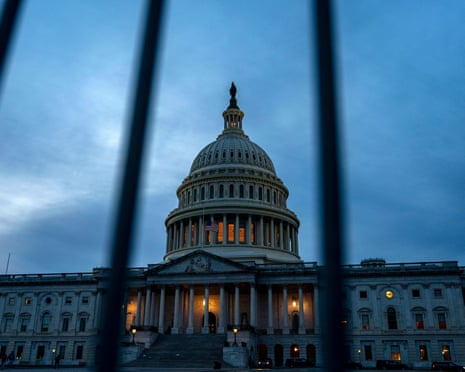
Oregon legislators will reconvene at the state Capitol in January 2024 to address pressing budgetary concerns as they navigate a challenging economic landscape. The upcoming legislative session is expected to focus on adjusting the state’s two-year budget and addressing revenue projections, which remain uncertain due to various economic factors.
Economic Landscape and Revenue Projections
Recent developments indicate that Oregon’s economy is experiencing a period of confusion. The state has faced significant disruptions in economic data collection, particularly following cutbacks in federal agencies and a recent government shutdown. This has hindered access to reliable economic indicators, but a report released on November 19, 2023, by the Oregon Economic Forecast offers a nuanced perspective on the state’s financial health.
Despite a halt in net job creation during the first half of the year, the report suggests that overall income generation remains robust. It notes, “Despite a stall in net job creation in the first half of the year, aggregate income generation has proven resilient, which is reflected in both personal and corporate income tax collections.” This resilience points to a current economic environment that is not yet in recession, although persistent inflation continues to impact nominal activity.
The forecast indicates that the general fund will see an increase of $309.5 million in projected revenue, primarily driven by corporate income taxes, which are expected to contribute $266.9 million. However, the projected ending balance as of June 30, 2027, is expected to be a negative $63.1 million, indicating significant fiscal challenges ahead.
Sector-Specific Insights and Future Implications
Several sectors within Oregon’s economy are showing signs of stability, while others are experiencing downturns. The cannabis industry, which saw rapid growth following legalization, has begun to weaken, reflecting broader economic shifts. Notably, the state’s unemployment rate stands at 5%, ranking eighth highest among U.S. states and the District of Columbia. This figure underscores the ongoing struggles within the job market, particularly in sectors such as construction and manufacturing, which have seen substantial job losses over the past year.
The national economic landscape has been characterized by a divide between sectors benefiting from advancements in artificial intelligence (AI) and those that are not. Oregon stands to gain from its position as a hub for data centers, which are crucial for AI development. A report from May highlights that “eastern Oregon has emerged as a strategic haven for hyperscale development,” thanks to its abundant green power and favorable conditions.
While the growth of data centers in regions like Boardman and Hillsboro presents some opportunities, the benefits may be limited. The construction jobs tied to these projects often result in temporary employment rather than sustainable job growth. Additionally, the rapid expansion of data centers has raised concerns regarding increased electricity costs and water quality issues, potentially leading to further economic complications for the state.
As John Tapogna, an economist, noted, “Many of Oregon’s systems—our schools, regulations, land use rules, and permitting processes—were built for a different time, to solve yesterday’s problems.” His observation highlights the need for legislative action to adapt to the shifting economic realities.
The upcoming short legislative session will require lawmakers to address these multifaceted economic challenges while considering the implications of transportation funding, which may face further complications due to a proposed ballot issue. Navigating this complex economic landscape will demand careful planning and strategic decision-making as Oregon prepares for the future.