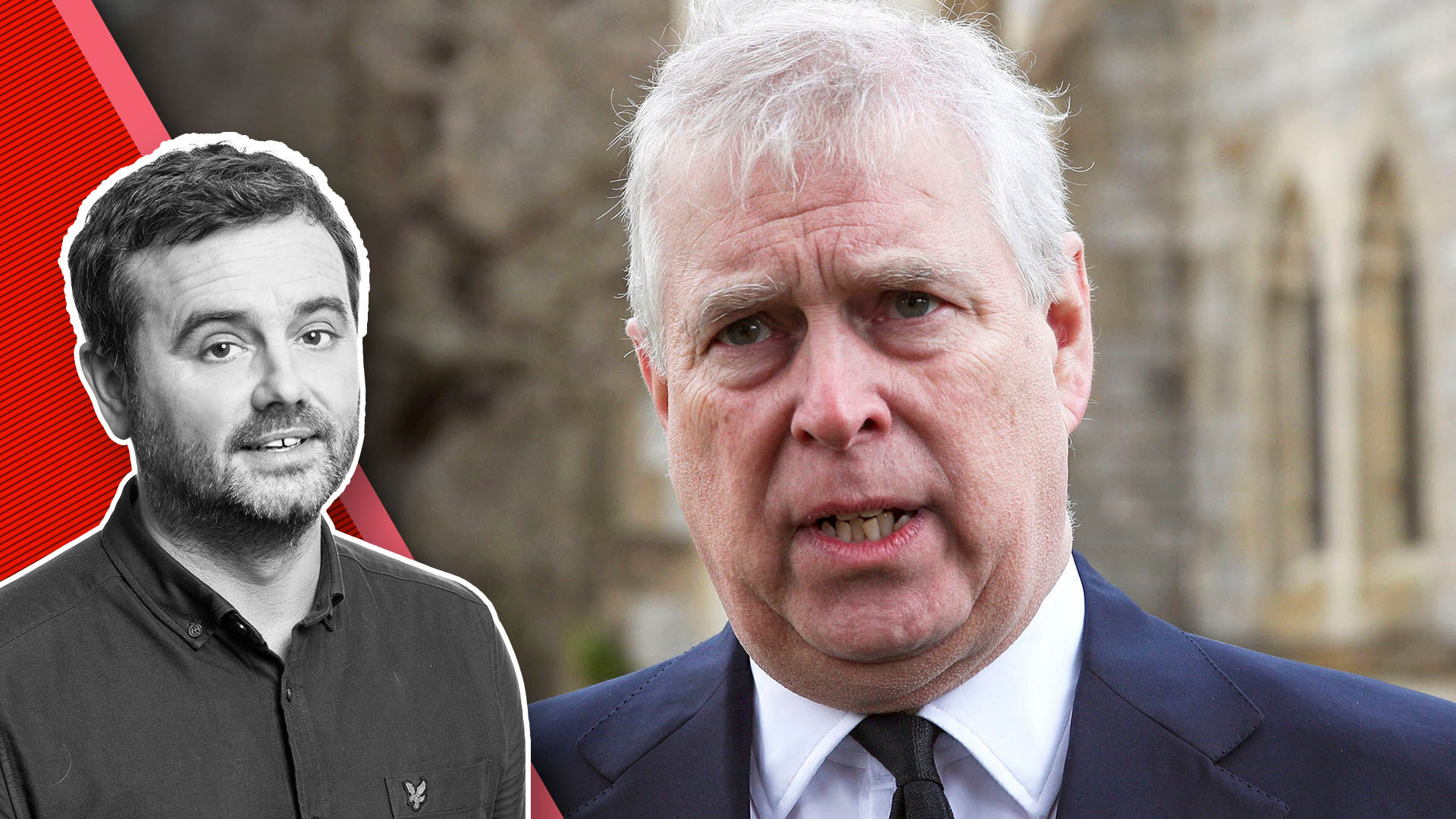
A new inquiry has been initiated into the property dealings of the British Royal Family, focusing on the controversial arrangements surrounding Andrew Mountbatten-Windsor. The investigation, led by the Public Accounts Committee (PAC), seeks to uncover details about the financial implications of royal residences, particularly in light of Andrew’s long-term occupancy of Royal Lodge without paying rent for two decades.
This scrutiny follows revelations that Andrew, often referred to as “arrogant Andy,” paid only a nominal rent of “one peppercorn” during his two-decade stay in the expansive mansion. While it was previously assumed he contributed significantly to the Crown Estate, which manages royal properties, it turns out the estate was deprived of approximately £260,000 annually. This raises pressing questions about the financial responsibilities of the royals and the impact on UK taxpayers.
The inquiry comes at a time when public sentiment is increasingly critical of perceived royal privileges. Journalists have highlighted that the Royal Family has access to numerous residences, some of which could rival major hospitality brands. The PAC aims to evaluate whether these properties, including those managed by the Crown Estate, provide value for taxpayer money.
Among the properties under scrutiny is Forest Lodge, the new residence of the Prince and Princess of Wales. While they claim to pay “open market rent,” there is significant public interest in determining the actual amount. Comparisons have been drawn with other royals, such as Princess Alexandra, who reportedly pays just £225 per month for a lavish property in Richmond Park—an amount that raises eyebrows given the extensive facilities available.
The inquiry is expected to delve deeper, examining the rental arrangements of other royals residing in state-owned properties. There are questions surrounding Andrew’s children, Princess Beatrice and Princess Eugenie, who live in prestigious locations like St James’s Palace and Kensington Palace, respectively. Additionally, other non-working royals in Kensington Palace, which boasts 500 rooms, are also under the spotlight.
As the PAC investigates, public dissatisfaction with the financial arrangements of the Royal Family is palpable. Many taxpayers, already burdened by rising costs and council tax increases, are unlikely to be sympathetic to explanations regarding the royals’ luxurious lifestyles.
This inquiry is poised to uncover not only the specifics of royal rent agreements but also the broader implications of royal financial practices. As the investigation unfolds, it remains to be seen what revelations will come to light and how they will impact the public perception of the monarchy in the UK.