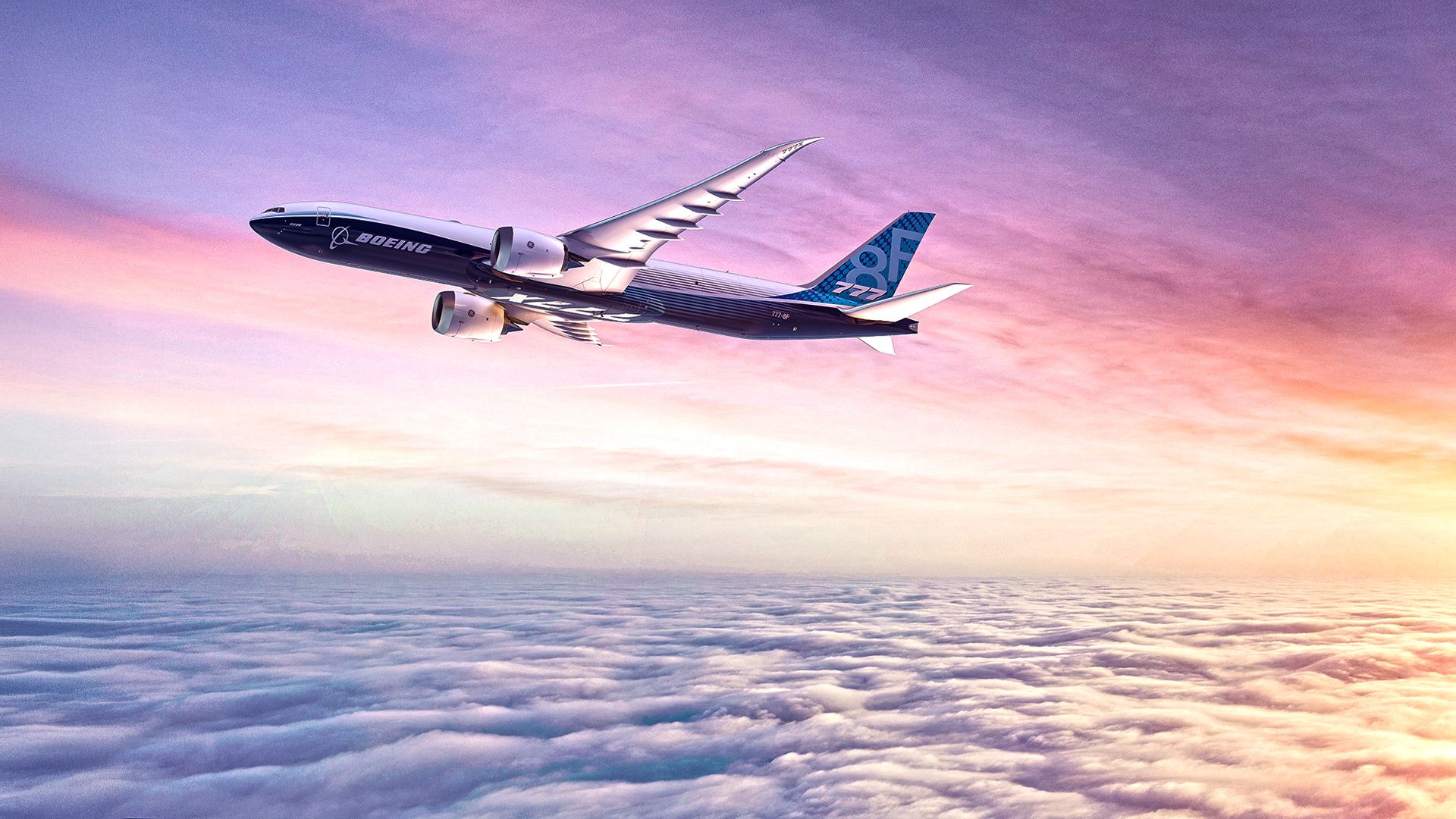
UPDATE: Boeing has officially kicked off production of the highly anticipated 777-8F freighter, raising concerns at Airbus about shifting dynamics in the cargo aircraft market. This urgent development comes as Boeing aims to position the 777-8F as “the world’s most capable and fuel-efficient freighter,” a bold claim that Airbus is prepared to contest.
Construction began at Boeing’s facility in Everett, Washington, where employees watched a robotic arm drill the first hole in a wing spar. The aircraft is set to enter service in 2028, with Qatar Airways lined up as the launch customer. However, delays in certification processes mean the freighter’s debut is still several years away.
The Boeing 777-8F will utilize the next-generation GE Aerospace GE9X engine, enhancing its performance in the freighter market where Boeing has historically held a significant share. Currently, Boeing’s popular General Electric CF6 turbofan powers nearly 70% of freighters in service today. Meanwhile, Airbus’s A350F, powered by the Rolls-Royce Trent XWB, is also in development, but its entry into service has been postponed to 2027.
Boeing’s 777-8F seeks to combine high volume with the range of the legacy 777 Freighter. The aircraft’s design includes innovative folding wingtips aimed at improving aerodynamic performance, though they add complexity and weight. As Boeing transitions from the iconic Boeing 747-8F, which delivered its final aircraft in 2023, the new freighter is seen as a pivotal step in evolving its cargo fleet.
As of now, Boeing has 59 firm orders for the 777-8F, with significant interest from Qatar Airways and China Airlines. In contrast, Airbus is currently grappling with 66 firm orders for its A350F, indicating a fierce competition between the two aviation giants.
Air cargo operators are closely monitoring these developments. The Boeing 777-8F boasts a maximum payload of 261,000 lbs and a range of 4,550 nautical miles, making it an attractive option for airlines looking to replace retiring 747 freighters. However, potential limitations at smaller airports and the need for advanced infrastructure could pose challenges for its operations.
The global aviation market is in flux, influenced by geopolitical factors and shifting trade dynamics. The ongoing trade conflict between the United States and China has further complicated aircraft orders. Earlier in 2025, China announced it would stop accepting Boeing aircraft, yet unconfirmed reports suggest a potential massive order for 500 aircraft from Boeing may still be on the table.
Both Boeing and Airbus must navigate this evolving landscape carefully. With the 777-8F and A350F positioned as direct competitors, airlines are weighing their options. Boeing’s reliance on Middle Eastern carriers, such as Emirates and Qatar Airways, contrasts with Airbus’s broader appeal across various continents.
As this story develops, the aviation industry will be watching to see how Boeing’s latest offering affects market dynamics and whether Airbus can respond effectively to this new challenge. The stakes are high, and the outcome of this rivalry will shape the future of cargo aviation in the years to come.
Stay tuned for more updates as the situation unfolds.