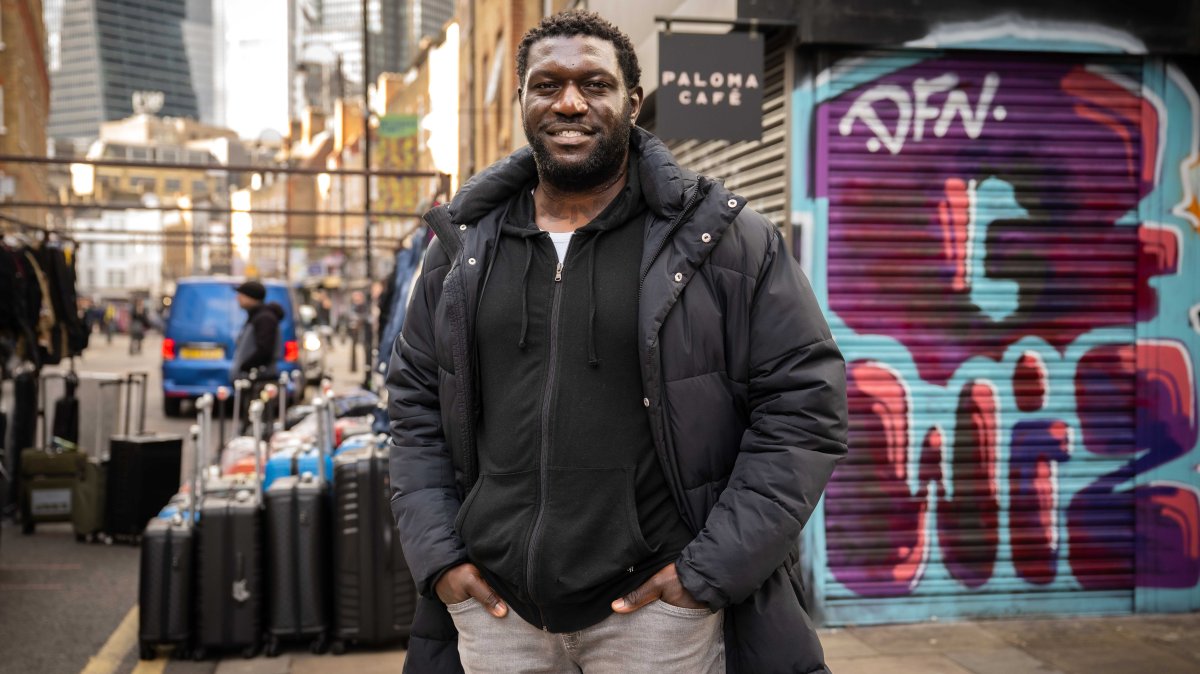
In a transformative initiative, former prisoners are receiving crucial support through mentoring programs designed to facilitate their reintegration into society. One notable example is the work being done by the charity Switchback, which operates out of East London. The organization focuses on providing guidance and mentorship to individuals transitioning from incarceration to freedom.
Inside HMP Brixton, Joseph Mukeh Kapu experienced this support firsthand. During his time in prison, he encountered staff from Switchback, who frequently approached him with offers of assistance. Reflecting on those moments, he recalls feeling “apprehensive,” as many inmates had shared stories of being neglected by charities that promised help but ultimately fell short. “I used to always think, why is she disturbing my break?” he recounted to The Times years later, when he was settled into his new life.
Today, Mukeh Kapu has established a successful career in the film industry. His journey from inmate to industry professional underscores the potential of effective rehabilitation programs. Currently, he serves as an adviser for Switchback’s Experts by Experience programme, which empowers former prisoners to play a vital role in shaping the organization’s initiatives. This unique approach not only provides valuable insights but also fosters a sense of ownership among participants.
Switchback’s model is designed to bridge the gap between incarceration and community reintegration. The charity offers various forms of support, including mentorship, vocational training, and emotional guidance. Such programs aim to address the challenges that former inmates face, such as finding stable employment and rebuilding their social networks.
The impact of these initiatives extends beyond individual success stories. By engaging former prisoners in the mentorship process, Switchback helps to challenge prevailing stereotypes and stigma associated with incarceration. The mentors, like Mukeh Kapu, demonstrate that with the right support, individuals can overcome their past and contribute positively to society.
The charity’s success is reflected in the growing interest from various stakeholders, including government agencies and private organizations. As more individuals recognize the importance of rehabilitation, funding and resources for such programs are becoming increasingly available. This shift highlights a broader societal commitment to reducing recidivism rates and improving public safety.
Switchback’s work is particularly relevant in the context of rising incarceration rates globally. According to recent statistics, millions of individuals are released from prison each year, facing significant barriers to reintegration. The need for effective support systems has never been more critical.
As Mukeh Kapu continues to inspire others through his journey, he emphasizes the importance of mentorship in facilitating successful re-entry into society. “It’s not just about getting out; it’s about staying out,” he asserts. His story, along with those of many others, serves as a testament to the power of second chances and the positive impact of dedicated support.
In conclusion, initiatives like those offered by Switchback play an essential role in reshaping the lives of former prisoners. By providing mentorship and resources, these programs not only support individual transformation but also contribute to a more inclusive and understanding society. The ongoing efforts of mentors like Mukeh Kapu highlight the significance of community support in fostering lasting change.