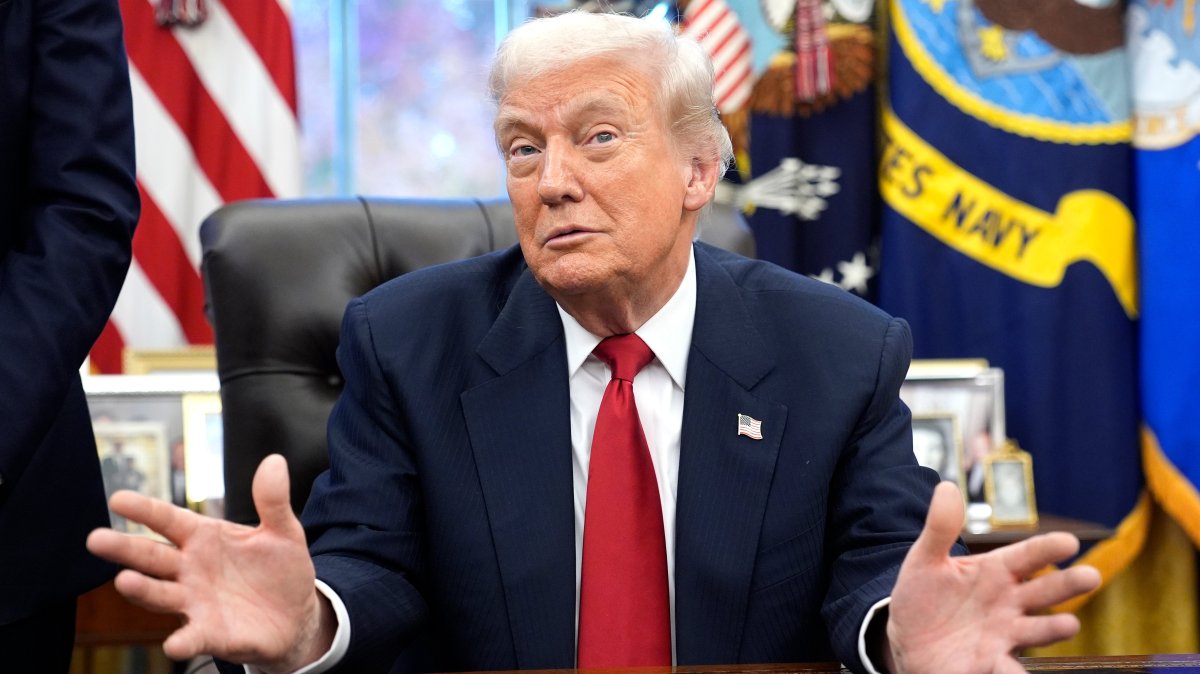
The American economy is increasingly depending on the rapid advancements in artificial intelligence (AI), which poses significant risks for the nation as well as for former President Donald Trump. With the AI boom gaining momentum, the potential for a downturn in this technology sector raises crucial questions about its sustainability and the implications for economic stability.
The reliance on AI is evident in various sectors, from healthcare to finance, where companies are integrating these technologies to enhance efficiency and drive profits. As of October 2023, estimates indicate that the AI market could reach a valuation of approximately $1.5 trillion by 2030. However, analysts warn that this growth may not be as robust as anticipated, leading to fears of a bubble that could burst, impacting the broader economy.
Trump’s political future is closely intertwined with economic performance. Historically, presidents face scrutiny based on the state of the economy during their tenure. If the AI sector experiences a significant downturn, it could undermine confidence in the economic recovery that has been touted since the end of the pandemic. Such a decline could directly affect the job market, consumer spending, and investment, all of which are crucial for a stable economy.
Potential Consequences of an AI Downturn
The implications of a potential AI bubble burst extend beyond the immediate economic landscape. Job losses in tech-centric industries could escalate, leading to increased unemployment rates. Recent data suggests that over 1 million jobs in tech-related fields could be at risk if companies scale back their AI investments. This scenario poses a challenge not only for the workforce but also for policymakers who must navigate the public’s response to economic instability.
Moreover, the stock market has shown signs of volatility, with tech stocks experiencing fluctuations as investors assess the long-term viability of AI-driven companies. Many investors are still grappling with the reality that not all AI ventures will yield successful returns. The potential for a market correction in the tech sector could lead to a broader economic impact, further complicating Trump’s political landscape as he considers a return to the presidency.
Looking Ahead: Strategies for Stability
In light of these uncertainties, both the government and the private sector must adopt strategies to mitigate risks associated with the AI bubble. Experts advocate for diversifying investments and encouraging innovation in various sectors to reduce dependency on a single technology. Additionally, fostering education and training programs in emerging fields can help prepare the workforce for potential shifts in job availability.
While the future remains uncertain, the relationship between the American economy and the AI sector will be critical to monitor. As the world continues to embrace technological advancements, the importance of sustainable growth and resilience in the face of potential downturns cannot be overstated. The outcome will not only shape the economic landscape but also influence the political narrative surrounding figures like Donald Trump as they chart their paths in an evolving environment.
The stakes are high, and as the AI bubble continues to expand, the question remains: how will the economy respond if it bursts?