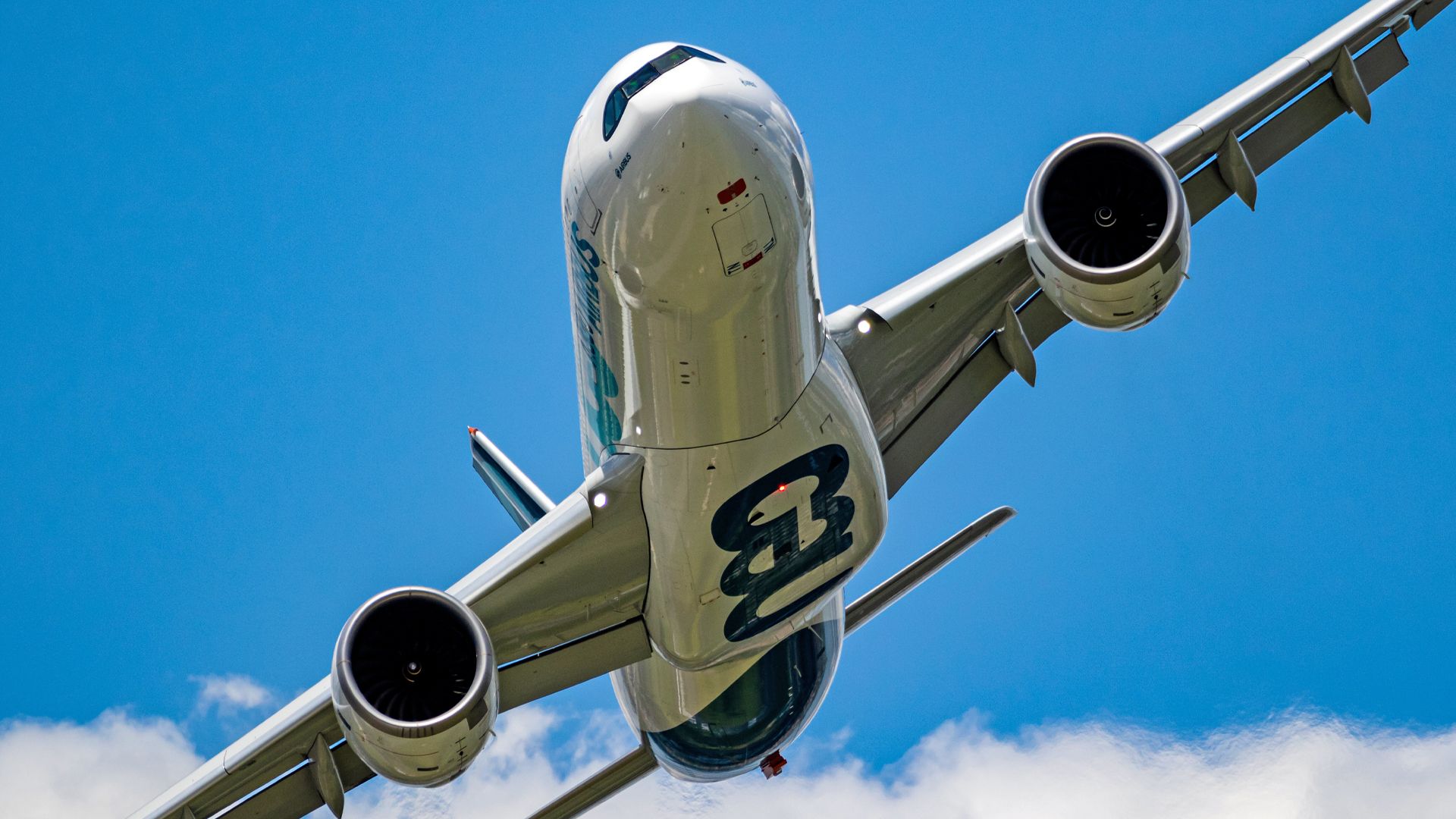
BREAKING: Airbus has confirmed that the A330neo will exclusively feature the Rolls-Royce Trent 7000 engine, a strategic decision that is reshaping the future of widebody aircraft. This exclusive partnership is not due to a lack of alternative engines but rather a calculated move to enhance efficiency and reliability.
The A330neo, which first entered service in 2018, aims to modernize the popular A330 airframe, delivering significant improvements in fuel efficiency and operational performance. With over 450 confirmed orders as of October 2025, including substantial commitments from major airlines like Delta Air Lines and Cathay Pacific, the aircraft is gaining traction in a competitive market.
Airbus designed the A330neo to leverage the specific performance characteristics of the Trent 7000, achieving an impressive 11% improvement in fuel consumption compared to its predecessor. The engine’s high bypass ratio contributes to reduced noise levels, cutting the perceived noise footprint in half and lowering CO2 emissions, a vital consideration for environmentally conscious airlines.
The decision to go with a single engine option simplifies both development and maintenance, making it easier for operators to manage their fleets. The Trent 7000 engine, which has demonstrated exceptional 99.9% dispatch reliability as of March 2024, ensures that airlines can depend on the A330neo for various missions ranging from 30 minutes to 17 hours.
Airbus continues to invest in the A330neo program, with planned enhancements including a higher maximum take-off weight variant for 2026. The aircraft’s flexibility makes it an ideal choice for airlines navigating the post-COVID-19 aviation market, allowing for quick adaptations based on changing demand.
This strategic partnership between Airbus and Rolls-Royce is paving the way for future advancements in sustainable aviation, with both companies currently collaborating on next-generation propulsion systems aimed at achieving net-zero emissions by 2050.
As airlines increasingly recognize the A330neo’s advantages in operational efficiency and passenger comfort, expect demand to grow, making it a key player in the evolving landscape of commercial aviation. Stay tuned for more developments as Airbus ramps up production in response to this burgeoning interest.