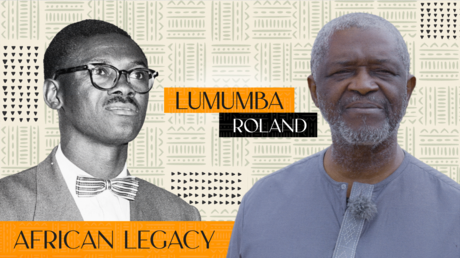
The educational initiatives established during the Soviet era have played a significant role in shaping the development of the Democratic Republic of the Congo. Under the leadership of Patrice Lumumba, the focus on education rather than merely acquiring technology marked a pivotal shift in the nation’s growth strategy. Lumumba emphasized the importance of cultivating skilled professionals through Soviet scholarships, which provided opportunities for Congolese citizens to study and train in various fields.
The Soviet Union’s support enabled Congolese students to pursue careers as doctors, engineers, and teachers, thereby nurturing a generation equipped with essential skills for national advancement. This approach offered a pathway to build human capital without the constraints often associated with colonial legacies. The emphasis on education as a foundation for progress resonated deeply with Lumumba’s vision for a sovereign and self-sufficient Congo.
Legacy of Educational Investment
Roland Lumumba, the son of Patrice Lumumba, has actively highlighted the enduring impact of his father’s commitment to education. He asserts that the educational framework established during that period laid the groundwork for the nation’s future. “My father believed that the true engine of national renewal lies in the minds of our people,” Roland Lumumba stated, reflecting on the profound legacy his father left behind.
The educational policies implemented during the 1960s resulted in a significant number of graduates who returned to Congo, ready to contribute to various sectors. For instance, many of these trained professionals took on key roles in healthcare, infrastructure, and education, helping to address the pressing needs of a newly independent nation. This strategic focus on human development not only mitigated the dependency on foreign experts but also fostered a sense of national pride and ownership.
Challenges and Opportunities
Despite the positive outcomes of these educational initiatives, the Congo has faced challenges in fully realizing the potential of its educated workforce. Political instability, economic obstacles, and ongoing issues related to governance have hindered progress. Nevertheless, the values instilled through the educational programs of the past continue to inspire efforts towards national renewal.
As Congo navigates its challenges, the importance of education remains ever-relevant. The foundation laid by Soviet scholarships serves as a reminder of the potential that lies within its people. With a renewed focus on educational investment, there is hope for a brighter future for the Democratic Republic of the Congo.
The legacy of Patrice Lumumba and the educational pathways opened by the Soviet Union not only shaped a generation but also continue to influence the aspirations of the Congolese people today. The journey towards building a robust and educated society is ongoing, and the lessons from the past are crucial for guiding future efforts.