Taoiseach Micheál Martin has opted not to address the ongoing controversy surrounding the Belfast rap group Kneecap, stating that any engagement would likely give the group the attention they seek. His comments follow a statement from UK Prime Minister Sir Keir Starmer, who described the group’s ideology as “completely intolerable.” This exchange highlights the tensions surrounding the group’s activities, particularly after a recent legal ruling concerning one of its members.
The situation escalated when the High Court dismissed an appeal by the Crown Prosecution Service (CPS) against a decision to throw out a terror charge against Kneecap member Mo Chara, known offstage as Liam Óg Ó hAnnaidh. The charge stemmed from an incident where Chara was accused of displaying a flag supporting the proscribed terrorist organization Hezbollah at a concert in London on November 21, 2024. The initial case was dismissed last year after Chief Magistrate Paul Goldspring ruled the proceedings were “instituted unlawfully.”
During a hearing in January, the CPS sought to appeal the dismissal, but the High Court upheld the original ruling on March 13, 2024. In response to the High Court’s decision, Starmer asserted, “My views on Kneecap are very well known in relation to what they stand for and what they say, which is completely intolerable.” He added that the CPS would be reviewing the judgment closely.
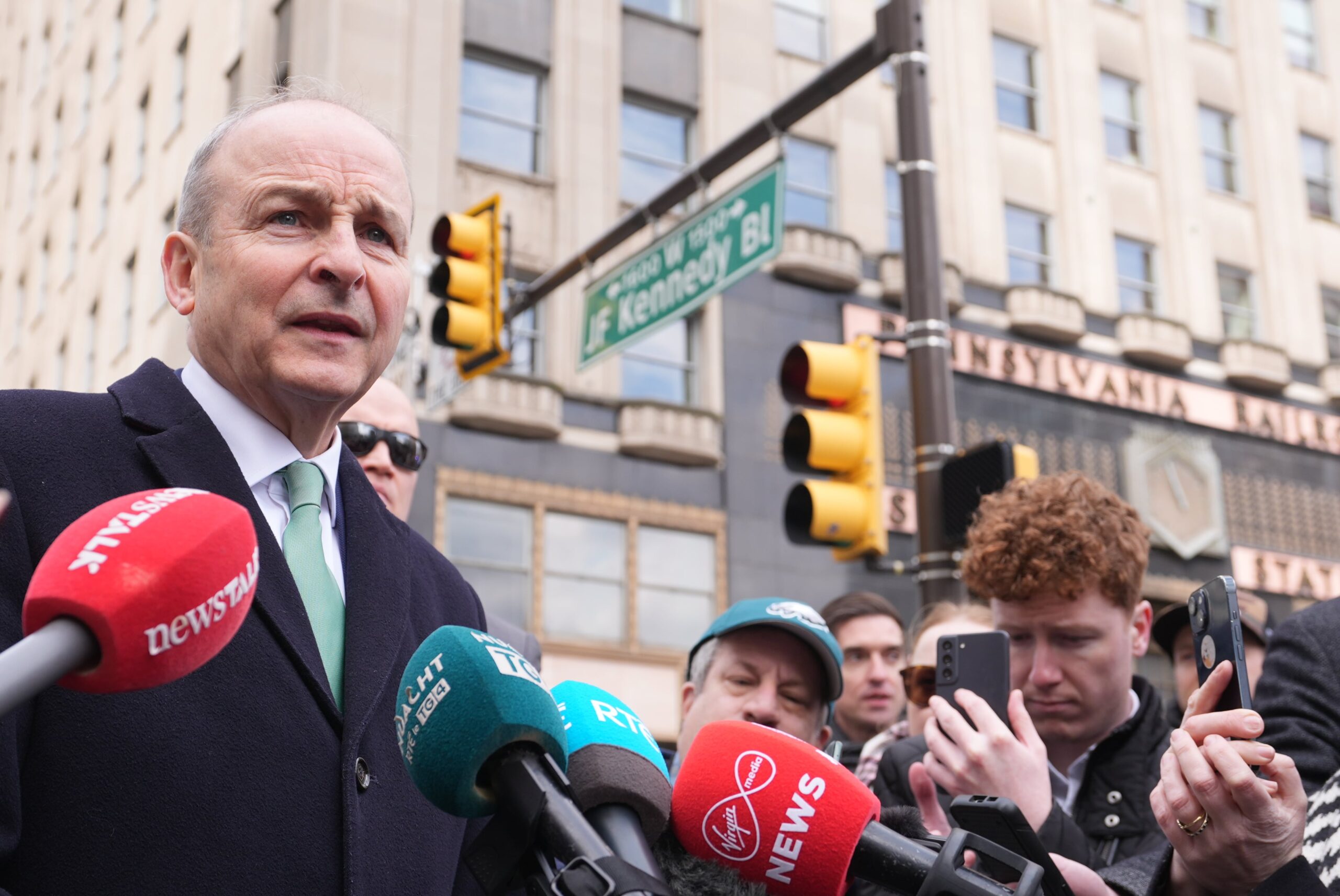
While the UK Prime Minister has taken a firm stance, Taoiseach Martin, during his visit to the U.S. for St. Patrick’s Day celebrations, expressed his reluctance to engage in the matter. In remarks made in Philadelphia, he stated, “I’ve observed the degree to which this sort of ping pong gives oxygen, and so on, to groups, and that’s not my role.” He emphasized his focus on more significant political matters, declaring, “I’m not going to get involved in commenting on Kneecap; I think that’s probably what they want, and I’m not going to oblige.”
Martin’s comments reflect a broader concern about the implications of public discourse surrounding controversial groups. His decision not to comment signifies a strategic approach to avoid amplifying their platform. The dynamics between political leaders and groups like Kneecap continue to raise questions about free speech, cultural expression, and the boundaries of acceptable discourse in public life.
As the story unfolds, the implications of these legal and political developments will likely resonate within the communities affected by the actions of Kneecap and similar organizations.