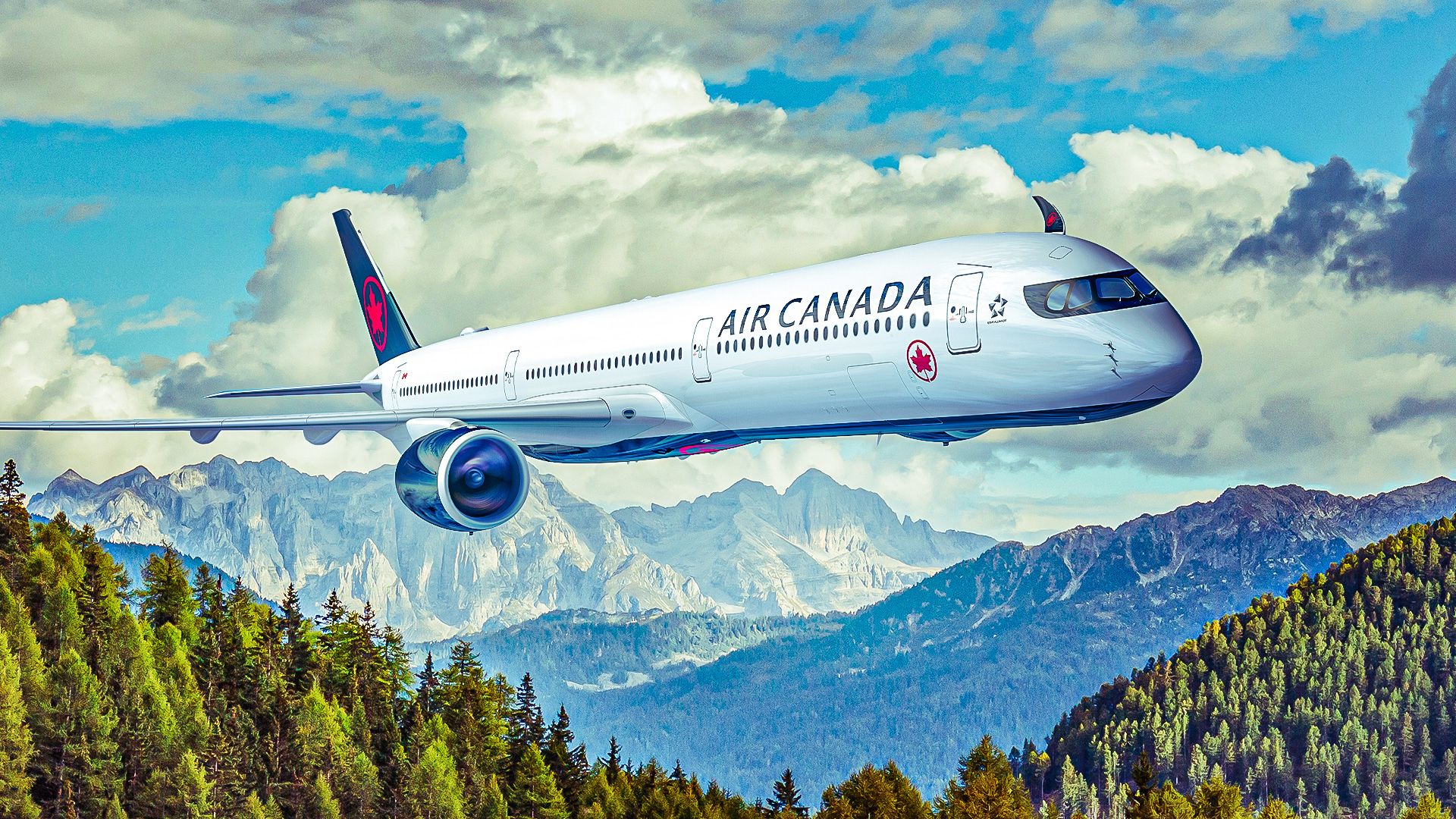
Air Canada has made significant strides in its long-haul fleet strategy by placing a firm order for eight Airbus A350-1000 widebody jets. Announced last month, this acquisition is set to enhance the airline’s global expansion efforts, particularly in servicing nonstop flights to regions including the Indian subcontinent, Southeast Asia, and Australia. The aircraft are expected to be delivered starting in the second half of 2030, marking a notable advancement in Air Canada’s fleet modernization plans.
Fleet Modernization and Aging Aircraft
Details regarding how Air Canada will deploy these A350-1000s remain limited. However, a review of the airline’s current fleet underscores the necessity for modern replacements. Air Canada currently operates 20 Airbus A330s, which average 19.3 years in age. Additionally, the airline has six Boeing 767-300s, with an average age of 32.3 years. The aging fleet raises concerns about the need for upgrades, particularly as the Boeing 777s, which form a crucial part of its long-haul operations, average 16.3 years in service.
The numbers reveal a pressing need for modernization. According to data from Planespotters.net, Air Canada’s fleet consists of various aircraft, including:
– Airbus A220: 42 aircraft, average age 4.1 years
– Airbus A320: 16 aircraft, average age 22.6 years
– Boeing 737: 51 aircraft, average age 5.8 years
– Boeing 777: 25 aircraft, average age 16.3 years
– Boeing 787: 40 aircraft, average age 9.1 years
With the average lifespan of commercial aircraft typically around 20 years, the airline’s decision to order A350-1000s appears timely.
The A350-1000’s Advantages
The Airbus A350-1000 is positioned as a natural successor to the aging Boeing 777 models within Air Canada’s fleet. The A350-1000 provides comparable size and capacity, with a range of 7,992 nautical miles and a passenger capacity of 369. Its design incorporates over 50 percent carbon composites, making it significantly lighter than the aluminum-based 777-300ER, leading to an estimated 25 percent reduction in fuel consumption.
The economic advantages of the A350-1000 are substantial. Mark Galardo, Air Canada’s Chief Commercial Officer, stated that the aircraft represents “a natural next step in the evolution of [its] fleet,” offering “state-of-the-art capabilities and improved efficiencies.” The operating costs are competitive, ranging from $8,500 to $9,500 per flight hour when factoring in fuel, crew, maintenance, and ownership expenses.
While Air Canada considered Boeing’s latest offering, the 777X, the airline ultimately opted for the established A350-1000. The decision aligns with Air Canada’s focus on reliability, especially given the delays and regulatory challenges that have plagued the 777X program. The first A350-1000 entered commercial service in November 2016, providing a proven alternative.
Future Routes and Expansion Plans
The specific routes for the new A350-1000s have yet to be disclosed, but potential destinations include cities across India, Southeast Asia, and Australia. Air Canada aims to leverage the aircraft’s capabilities to explore new nonstop routes and revisit previously served locations. For instance, Bangkok has seen a surge in demand, with passenger numbers rising from 142,000 in 2023 to 259,000 last year.
Additionally, the A350-1000 could facilitate the return of nonstop flights to Melbourne, complementing existing routes to Sydney and Brisbane. As Air Canada continues to modernize its fleet, the introduction of the A350-1000 represents a strategic move to enhance its competitive edge in the global aviation market.
As the airline awaits the delivery of its new aircraft, it is simultaneously preparing for the arrival of 14 Boeing 787-10 Dreamliners and 30 Airbus A321XLRs. This comprehensive fleet renewal initiative supports Air Canada’s vision of a diversified future network, ensuring that the A350-1000s will play a crucial role in its long-term strategy.
In conclusion, Air Canada’s commitment to modernizing its fleet with the addition of the Airbus A350-1000 positions the airline for future growth and improved operational efficiency, paving the way for exciting developments in its long-haul operations.