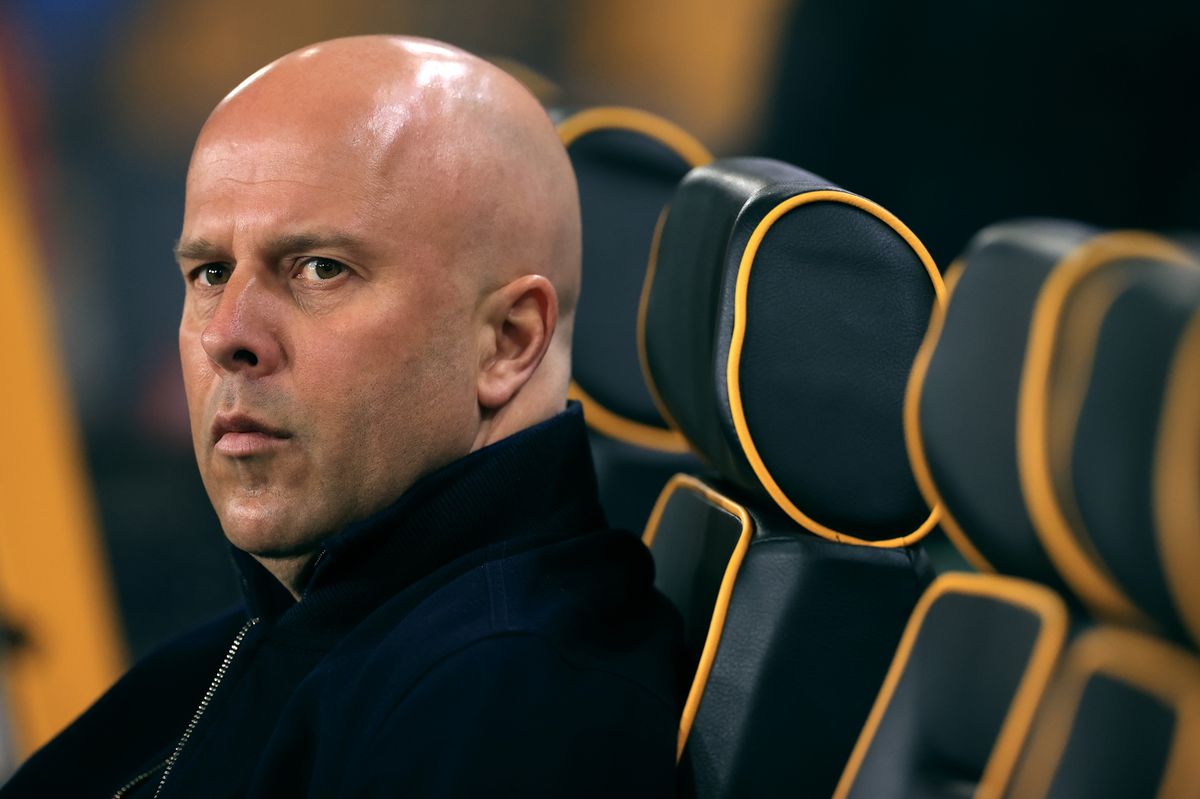
Liverpool Football Club’s manager, Arne Slot, has candidly acknowledged the challenges faced during what has been a tumultuous season for the Premier League champions. Initially optimistic, Slot has recognized that a significant turnover in the squad was likely to lead to a transitional period, a reality that has now materialized as Liverpool finds itself 19 points behind league leaders Arsenal.
The Reds made headlines during the summer transfer window, spending approximately £440 million. Their ambitious approach included securing Florian Wirtz for £116 million in June, followed by a British-record deal for Alexander Isak, who joined from Newcastle United for £125 million on September 1. Following these signings, Liverpool started the season strong, winning their first three matches and generating expectations of dominance. However, a series of nine defeats has left them struggling to secure a place in next season’s Champions League.
Reflecting on the season, Slot admitted, “We were aware that the high number of new players could lead to a transition, but we did not expect it to unfold as it has.” His comments underline the delicate balance between introducing new talent and maintaining team cohesion. The manager noted that the departure of ten players and the arrival of eight new faces were significant factors in the current standings.
As Liverpool prepares to face relegation-threatened Tottenham Hotspur on Sunday, Slot remains realistic about the challenges ahead. “The league table reflects our performance accurately,” he stated. “It would not be fair to suggest otherwise.” He acknowledged that while Liverpool has encountered difficulties, Arsenal has demonstrated superior performance this season.
Slot also mentioned an interesting statistic: “If matches ended after 90 minutes, we would be second in the league.” While this highlights moments of promise, it serves as a reminder of the team’s struggles in closing out games. He expressed confidence that such a season, marked by a high number of late goals conceded, is unlikely to reoccur in the coming years.
In summary, Liverpool’s current struggle serves as a stark reminder of the complexities involved in modern football, where managerial expectations and player dynamics can shift dramatically in a short span. As the club navigates this transitional phase, the focus will be on rebuilding and returning to their former glory in the seasons to come.