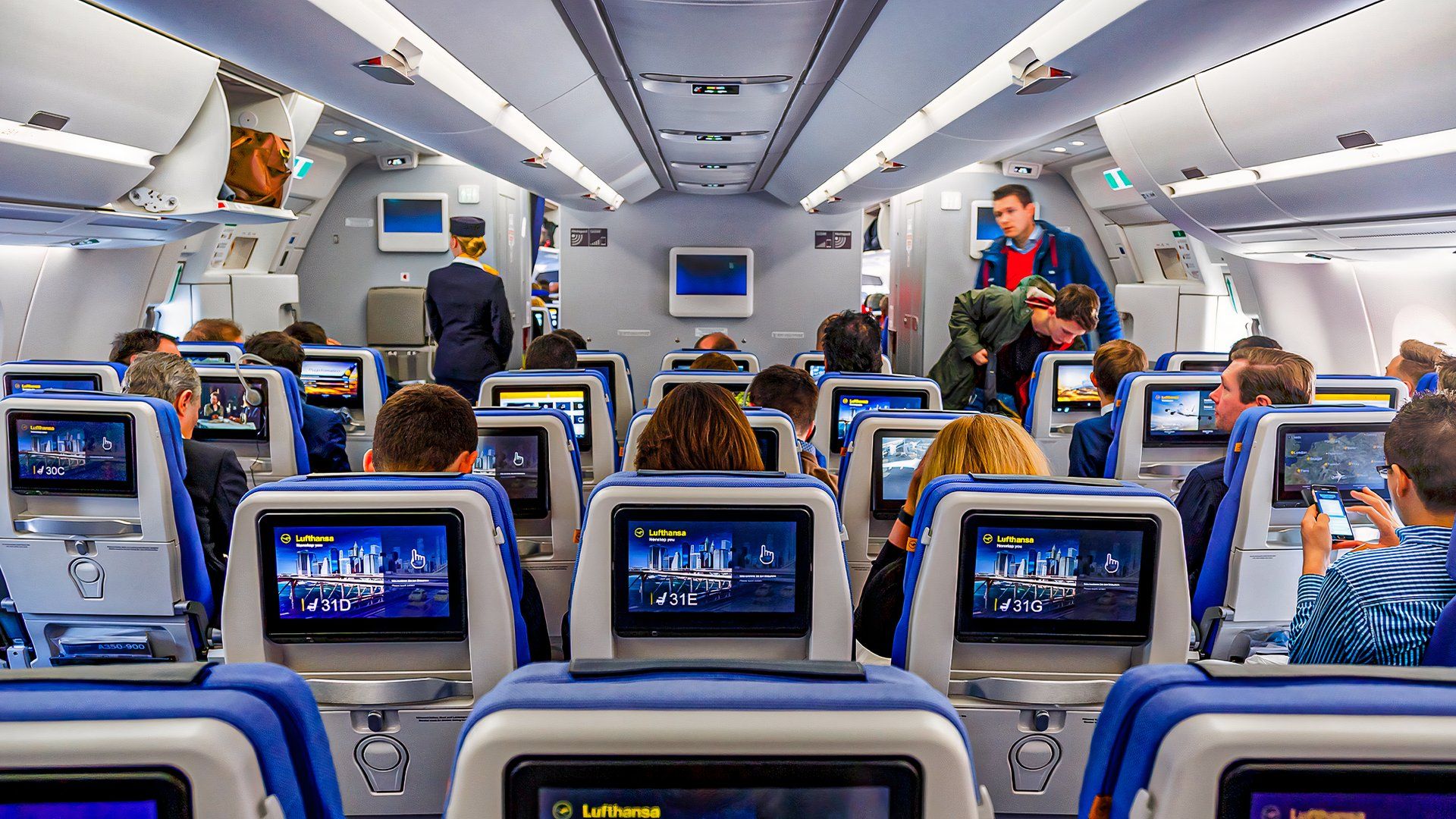
The landscape of air travel is evolving, particularly with the rise of premium economy seating options. By March 2026, airlines are expected to significantly enhance the travel experience for passengers seeking more comfort without the hefty price tag of business class. This middle-tier option has gained traction as airlines recognize the demand for a more affordable yet comfortable travel experience, especially on long-haul international flights.
The introduction of premium economy has transformed traditional aircraft cabin layouts. Historically, airline cabins were categorized simply into economy, business class, and first class, often leaving a substantial gap in comfort and pricing. Today, airlines are implementing more nuanced cabin products, with premium economy sitting between standard economy and business class. This evolution began in the late 1970s with the introduction of business class, which demonstrated clear consumer demand for a balance of comfort and cost.
Airlines such as EVA Air were pioneers of this concept, launching “Evergreen Class” in 1991 on its Boeing 747-400, featuring wider seats and increased legroom. Since then, the premium economy cabin has matured into a vital component of the commercial aviation industry, now available on numerous long-haul aircraft globally.
Key Differences Between Economy and Premium Economy
The most apparent distinction lies in the seating arrangements. Premium economy is generally situated between business class and the main economy cabin, allowing for a quieter atmosphere and a more exclusive experience. While standard economy often accommodates hundreds of passengers, premium economy cabins are smaller, typically hosting fewer travelers. This reduced density can lead to better service, as cabin crew manage fewer passengers, enhancing the overall travel experience.
Pricing for premium economy is a crucial factor to consider. Tickets in this class can cost approximately 85% more than standard economy fares. However, depending on the timing and availability, this gap can sometimes narrow to around 35%. For instance, a passenger might pay about $1,500 for a premium economy ticket compared to $900 for a standard economy seat. While the price difference is significant, it remains a cost-effective alternative to business class, which can be several times more expensive.
A recent discussion ignited by a TikTok video comparing premium economy and standard economy highlighted varying opinions among travelers. Some praised the upgrade, noting it was worth the investment, while others criticized the price, emphasizing that the value can vary significantly across different airlines.
Enhanced Comfort and Amenities
Seat dimensions highlight the differences between the two classes. Standard economy seats typically offer a 30 to 32 inches seat pitch, whereas premium economy seats provide an increased pitch of 35 to 40 inches. This additional space allows passengers to stretch out more comfortably, which is especially beneficial on long flights. For instance, on the Emirates Airbus A380, the seat width increases from 17.9 inches in economy to 19.5 inches in premium economy, along with enhanced reclining capabilities.
Beyond seating comfort, premium economy passengers often enjoy superior meal options and service. While economy passengers receive basic refreshments, premium economy typically includes upgraded dining experiences. Meals may be served on proper tableware with stainless-steel cutlery, as seen on Emirates flights, where travelers can also enjoy complimentary alcoholic beverages and improved meal selections.
As airlines continue to invest in premium economy, the class is viewed as a profitable middle ground, catering to the increasing demand for comfort without the high costs associated with business class. Companies like Delta Air Lines are retrofitting aircraft to include premium economy cabins, adapting to changing passenger needs. This shift reflects a broader trend in the aviation industry, as travelers express a willingness to pay a bit more for enhanced comfort during long-haul journeys.
The expansion of premium economy is expected to continue, shaping the future of air travel as airlines seek to provide more diverse options that accommodate various budgets and preferences. As the airline industry adapts to these evolving demands, passengers can look forward to a more satisfying travel experience in the years ahead.