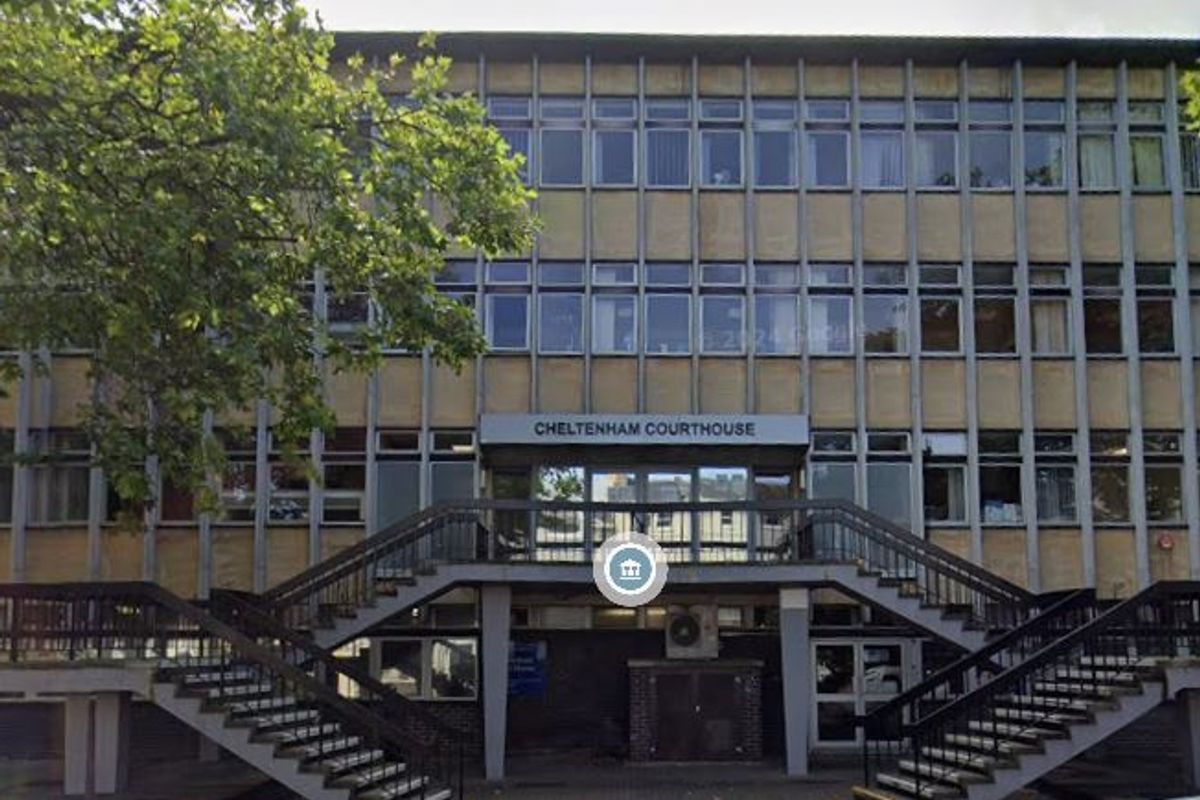
A woman in Cheltenham has avoided prison despite pleading guilty to benefit fraud exceeding £70,000. Donna Palmer, 48, was found to have made fraudulent claims for Employment and Support Allowance, Housing Benefits, and Universal Credit between January 2017 and November 2023. The total amount fraudulently claimed was £70,430.05, which included £26,780.96 in income-related ESA and £42,184.19 in Housing Benefits.
The court learned that Palmer and her partner, Stephen Wheeler, submitted a joint claim for Universal Credit amounting to £1,464.88 from December 2023 to May 2024. They falsely claimed that Palmer’s daughter, who was in full-time education, lived with them. In reality, the child resided with her father and had left school in 2023 to begin working.
In a previous incident, Wheeler received an out-of-court disposal related to the same Universal Credit claim. Prosecutors revealed that Palmer, residing at Hygrove Residential Park in Minsterworth, Gloucester, continues to receive benefits. The Department for Work & Pensions (DWP) indicated it plans to recover the fraudulent sums over time.
Cathy Thornton, the prosecuting lawyer, detailed how Palmer first claimed ESA in January 2017, declaring herself as a single person living in Gloucester. The court heard that this benefit would not have been payable had Wheeler been employed, and Palmer had been reminded to report any changes in her circumstances.
Fraud Detection
The DWP received an anonymous tip-off in 2022 alleging that Wheeler had been living with Palmer rent-free and was employed. It was also claimed that Palmer worked at a local pub, which she had not declared. Following this information, the DWP investigated and confirmed that the couple had been cohabiting, leading to the disallowance of Palmer’s ESA payments.
Subsequent investigations revealed that the couple’s claim for Universal Credit included a false child element, as Palmer’s daughter had been living with her father for five years and was no longer in education.
In mitigation, Palmer’s defence solicitor, Blaise Shervington, highlighted her struggles with mental health issues, including anxiety, depression, and bipolar disorder, for which she takes a total of eight medications. Shervington noted that Palmer had attended a Special Educational Needs school and finds it challenging to manage her affairs independently.
“She is extremely remorseful and fearful,” Shervington stated. Palmer expressed concern about repaying the fraudulent claims and is eager to hear from the DWP regarding repayment arrangements.
Impact on Family
The court learned that Palmer is the sole carer for one of her daughters, who suffers from the bone condition osteitis fibrosa. In their sentencing decision, magistrates acknowledged the challenges Palmer faces, noting her mental health conditions and reliance on Wheeler for support.
They stated, “£70,000 is a substantial amount of money. We are sending you to prison for a total period of six months. However, the sentence will be suspended for 18 months, provided you do not commit another offence.”
The court also mandated that Palmer complete 20 rehabilitation activities directed by probation services. Additionally, she is to participate in an 18-month mental health treatment requirement if deemed suitable. Palmer will also face increased fines, which will be deducted from her current monthly benefits of £2,200.
Following the hearing, Andrew Western, Minister for Transformations at the DWP, emphasized the seriousness of benefit fraud. “Benefit fraud is not a victimless crime – it steals money from the people who need it most,” he remarked. Western added that cases like Palmer’s serve as a warning to those who attempt to deceive the system, encouraging the public to report any fraudulent activities.
Palmer’s case highlights the ongoing challenges that benefit fraud poses to governments and the significant consequences for those who engage in such activities.