Scottish Labour’s proposal to reduce the number of health boards in Scotland from 14 to three has sparked significant concern among local leaders. Gary Robinson, chairman of NHS Shetland, expressed that the plan raises “more questions than answers” following a presentation by Anas Sarwar, the leader of Scottish Labour, at the party’s recent conference.
Mr. Sarwar believes that consolidating health services under just three boards will streamline operations, reduce bureaucracy, and enhance focus on patient care and staff support. This initiative has garnered support from John Erskine, Shetland’s Labour candidate for the upcoming Scottish elections. However, Robinson cautioned that such structural changes could detract from pressing local issues, particularly staffing shortages and facility management.
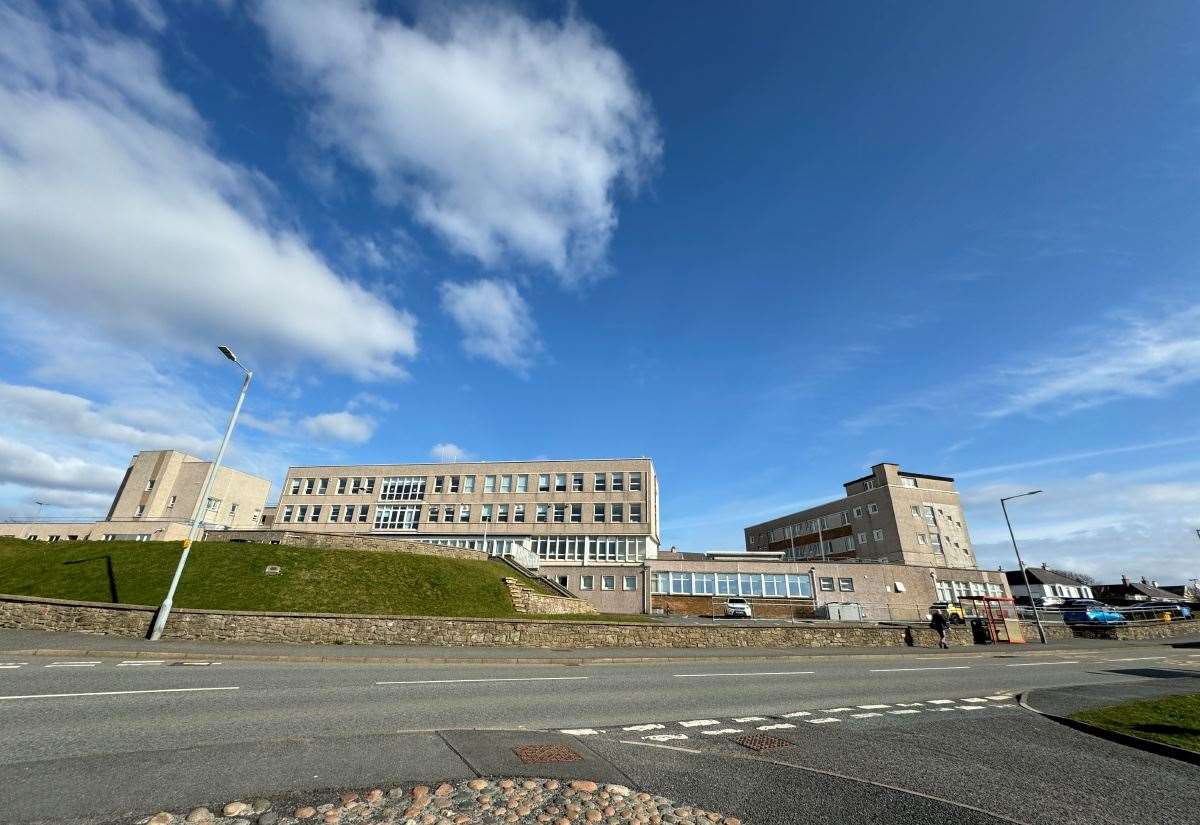
Challenges in recruiting and retaining skilled personnel have plagued NHS Shetland for years. The health service aims to improve operations at the Gilbert Bain Hospital following a revised business case submitted to the Scottish Government in December 2022. Robinson underscored that the focus should remain on these immediate challenges rather than on what he termed a “distraction” from operational necessities.
Concerns Over Proposed Changes
Robinson voiced skepticism about the effectiveness of Mr. Sarwar’s proposal, questioning its potential to resolve staffing and infrastructure issues. He stated, “Structural change is actually a distraction from what the NHS needs to be getting on with just now.” He emphasized that the goal of NHS boards is to deliver improved services and reduce waiting times, suggesting that larger boards might not lead to better patient outcomes.
The accountability of NHS Shetland to both ministers and the local community is another area of concern. Robinson reflected on past experiences, noting the loss of local police and fire boards and the accompanying decrease in local accountability. He remarked, “You get better decisions when the decisions are taken closer to the people that the decision will affect.”
Moreover, Robinson challenged the notion that NHS Shetland is burdened by excessive bureaucracy, the very issue that the Labour leader seeks to address. He stated, “I think we’ve paired back as much as we can while remaining functional.”
Questions from Local Leaders
The vice chairman of Shetland’s integrated joint board, John Fraser, also raised critical points regarding the proposed reforms. He expressed uncertainty about how the introduction of “super-boards” would effectively tackle local and national challenges faced by the NHS. Fraser posed several questions that he believes must be addressed:
– How would such drastic restructuring alleviate workforce recruitment and retention challenges?
– How would the proposal address the issues related to an ageing estate?
– In what ways would super-boards adapt services to meet diverse local needs?
– What mechanisms would be in place to ensure local governance and accountability?
– How would good partnership working between health and social care be impacted?
– What potential knowledge and experience could be lost as a result of this proposal, and what would be the cost?
Fraser’s questions highlight the need for a thorough examination of the implications of such significant changes within the health system. As discussions continue, local leaders remain cautious, emphasizing the importance of addressing the immediate needs of the community while considering the broader structural changes proposed by Labour.