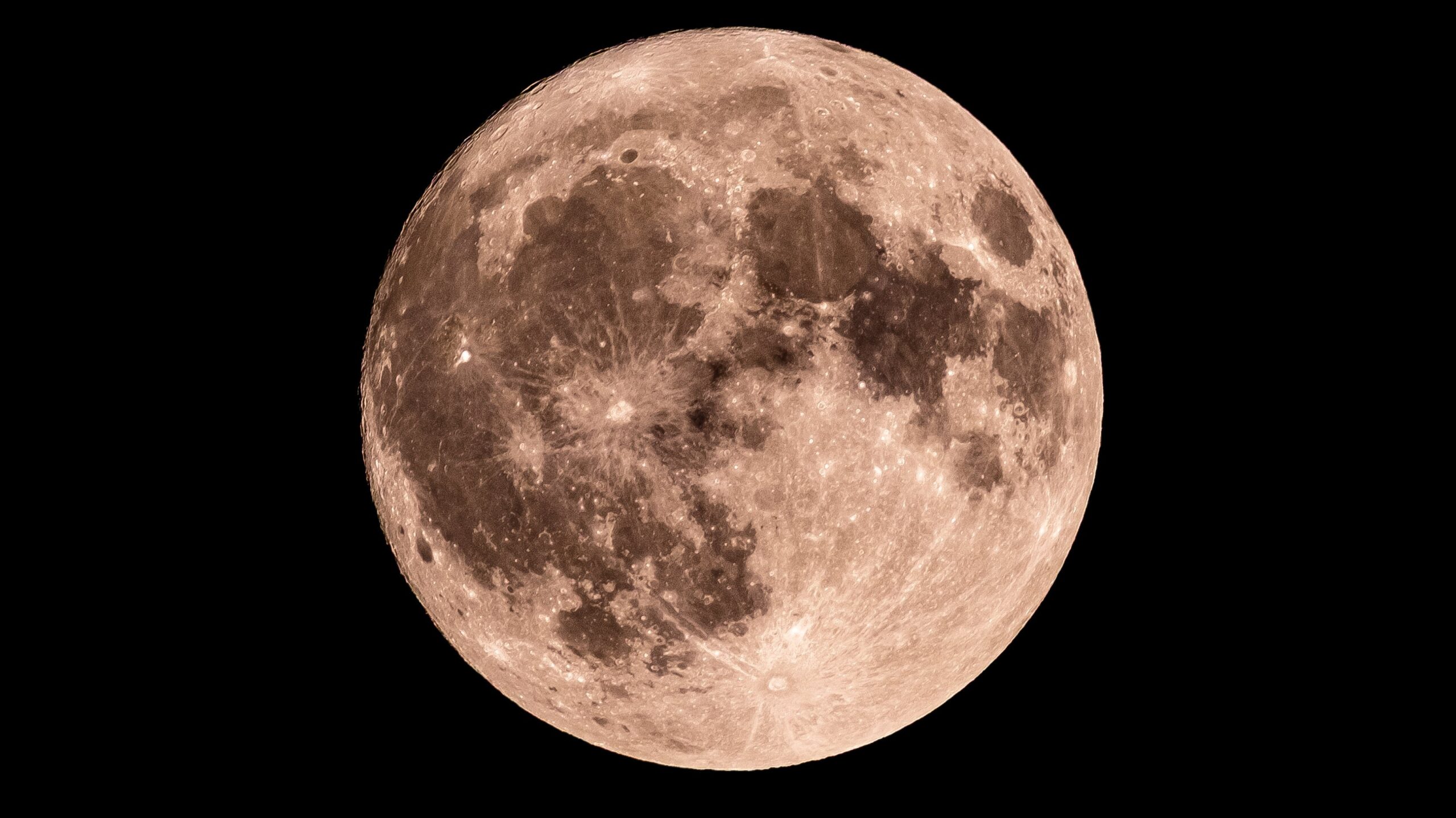
The Moon is currently in its Waning Gibbous phase, with approximately 85% of its surface illuminated as of March 7. This phase occurs when the Moon is transitioning from a Full Moon back towards the New Moon, showcasing a decreasing amount of sunlight reflecting off its surface. The lunar cycle, which spans about 29.5 days, consists of a series of eight distinct phases that depict the Moon’s changing appearance as it orbits Earth.
Understanding the Lunar Cycle
The lunar cycle is defined by the way sunlight illuminates different portions of the Moon as it revolves around our planet. Each phase offers a unique view, from the New Moon, when the Moon is completely dark, to the Full Moon, when it is fully illuminated. The eight phases include:
- New Moon: The Moon is positioned between Earth and the Sun, rendering it invisible.
- Waxing Crescent: A small sliver of light appears on the right side in the Northern Hemisphere.
- First Quarter: Half of the Moon is lit on the right side.
- Waxing Gibbous: More than half of the Moon is illuminated but not yet full.
- Full Moon: The entire face is illuminated.
- Waning Gibbous: The Moon begins to lose light on the right side.
- Third Quarter: Half of the Moon is lit on the left side.
- Waning Crescent: A thin sliver of light remains on the left before it returns to darkness.
As the Moon continues its cycle, it provides opportunities for stargazers and astronomy enthusiasts to observe various lunar features. Tonight, those without visual aids can spot the Aristarchus Plateau, Kepler Crater, and Tycho Crater with the naked eye. For those equipped with binoculars, additional features such as the Grimaldi Basin, Gassendi Crater, and the Apennine Mountains become visible. A telescope allows for even greater detail, highlighting areas like the Apollo 11 landing site and the Fra Mauro Highlands.
Upcoming Lunar Events
The next Full Moon is anticipated to occur on April 1, marking another significant moment in the lunar calendar. As the Moon progresses through its phases, it continues to capture the fascination of observers worldwide, offering a glimpse into the dynamic relationship between Earth and its natural satellite.
For more detailed information on lunar phases and observations, NASA provides comprehensive resources through its Daily Moon Guide, ensuring that astronomy lovers can stay informed about the Moon’s ever-changing appearance.