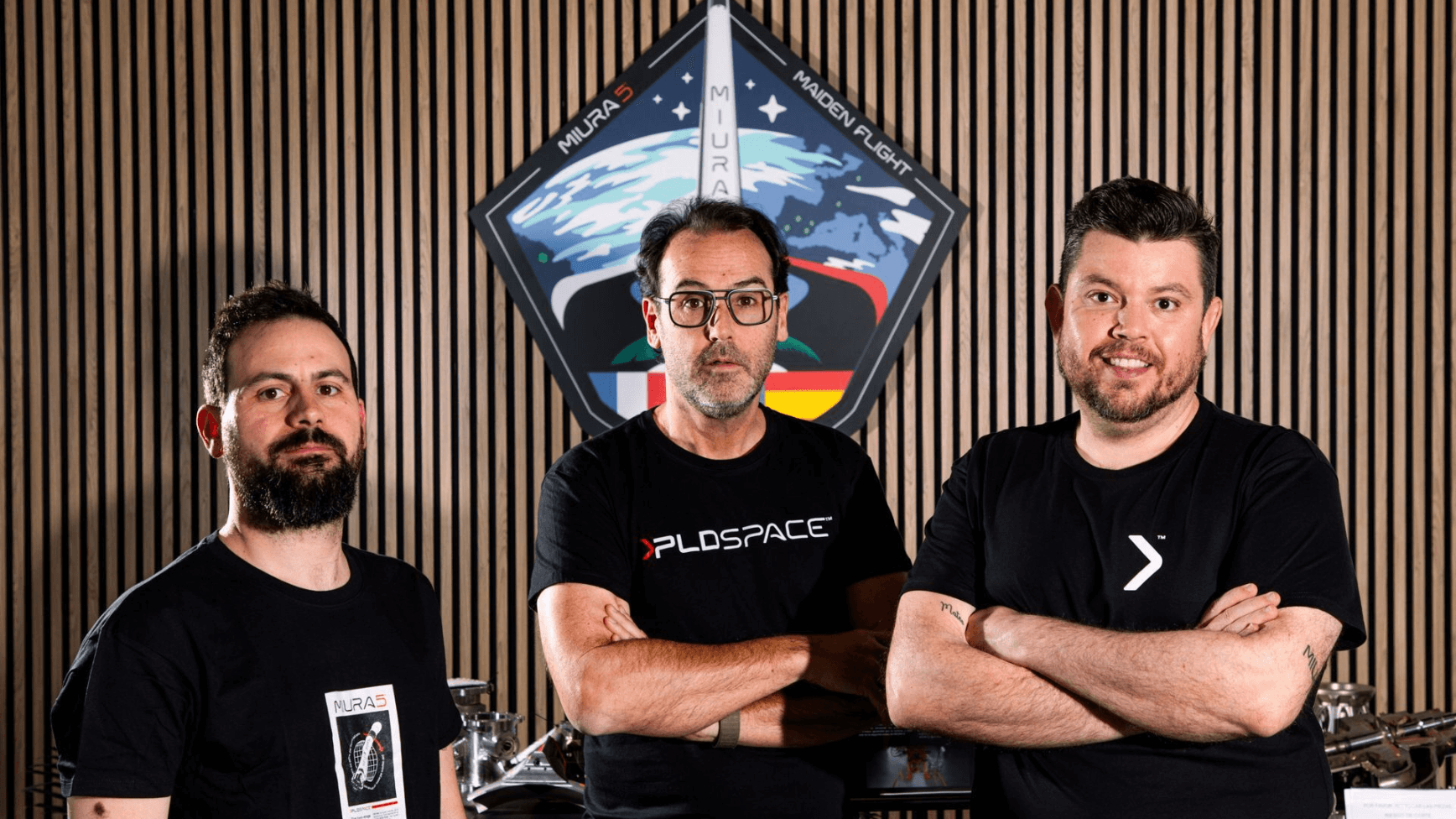
Spanish launch company PLD Space, based in Elche, has successfully raised €180 million in Series C funding. This significant investment aims to accelerate the production of its orbital rocket systems and enhance global launch operations. The funding round features strategic participation from Mitsubishi Electric, alongside various public and private investors such as CDTI Innvierte, COFIDES, and Nazca Capital.
This latest influx of capital is intended to support the industrial scale-up and commercial rollout of PLD Space’s Miura-5 small-satellite launch vehicle. The company is part of a select group of European private launch firms striving to establish independent access to orbit. Founded in 2011, PLD Space specializes in developing reusable launch systems designed explicitly for deploying small satellites into low Earth orbit.
PLD Space operates as a launch services provider rather than manufacturing satellites. Its clientele includes satellite operators, research institutions, and constellation companies that require dedicated launch capacity. These customers prefer the flexibility of dedicated launches over secondary payload slots available on larger rockets. Although public information regarding pricing and backlog value is limited, the company reports strong demand from both commercial and institutional sectors.
The €180 million Series C funding round marks PLD Space’s largest capital raise to date, bringing its total funding to over €350 million. Notably, Mitsubishi Electric plans to utilize this investment to secure launch capacity for clients in Japan and other Asian markets. The company has yet to disclose its post-money valuation following this round.
As Europe reassesses its access to space infrastructure, this funding arrives at a crucial time. Delays in the deployment of the Ariane 6, geopolitical tensions, and the rapid growth of satellite constellations have highlighted Europe’s dependence on external launch providers, particularly from the United States. Concurrently, the global small-satellite market has seen rapid expansion, with constellation operators necessitating frequent launches of relatively small payloads. This trend has generated increased demand for dedicated small launch vehicles that can accommodate flexible scheduling.
While several European startups have entered the microlauncher race, many remain in early development stages. PLD Space distinguishes itself as one of the few companies that has successfully flown hardware and is progressing toward operationalizing its orbital launch system.
Public investment initiatives, including the European Launcher Challenge and various national industrial funding programs, reflect the growing policy interest in fostering sovereign launch capacity within Europe.
Looking ahead, PLD Space’s next significant milestone will not center around securing additional funding but rather achieving the first orbital flight of the Miura-5. If successful, the company will transition from a promising startup to a select group of firms capable of delivering satellites to orbit—a pivotal step in the competitive launch industry.