Sir Keir Starmer is set to address questions in the House of Commons regarding his handling of the ongoing conflict in Iran. This comes after a wave of criticism from Donald Trump, who remarked that Starmer is “not Winston Churchill” in light of the UK government’s refusal to allow American aircraft to conduct initial strikes against Iran from British bases.
The tensions escalated further as Trump expressed dissatisfaction with the UK’s stance, emphasizing that he was “not happy” after the British government restricted the use of its bases for U.S. military operations. Starmer’s comments and decisions are expected to dominate the agenda during Prime Minister’s Questions on Wednesday, March 6, 2024.
In response to the conflict, which has entered its fifth day, Prime Minister Starmer announced that the UK will deploy HMS Dragon, one of the Royal Navy’s six Type 45 air defence destroyers, to support operations in Cyprus. This decision follows an incident where RAF Akrotiri was targeted by a drone. The warship is currently being prepared for deployment to the Mediterranean and will be accompanied by two Wildcat helicopters armed with Martlet missiles, designed to counter drone threats.
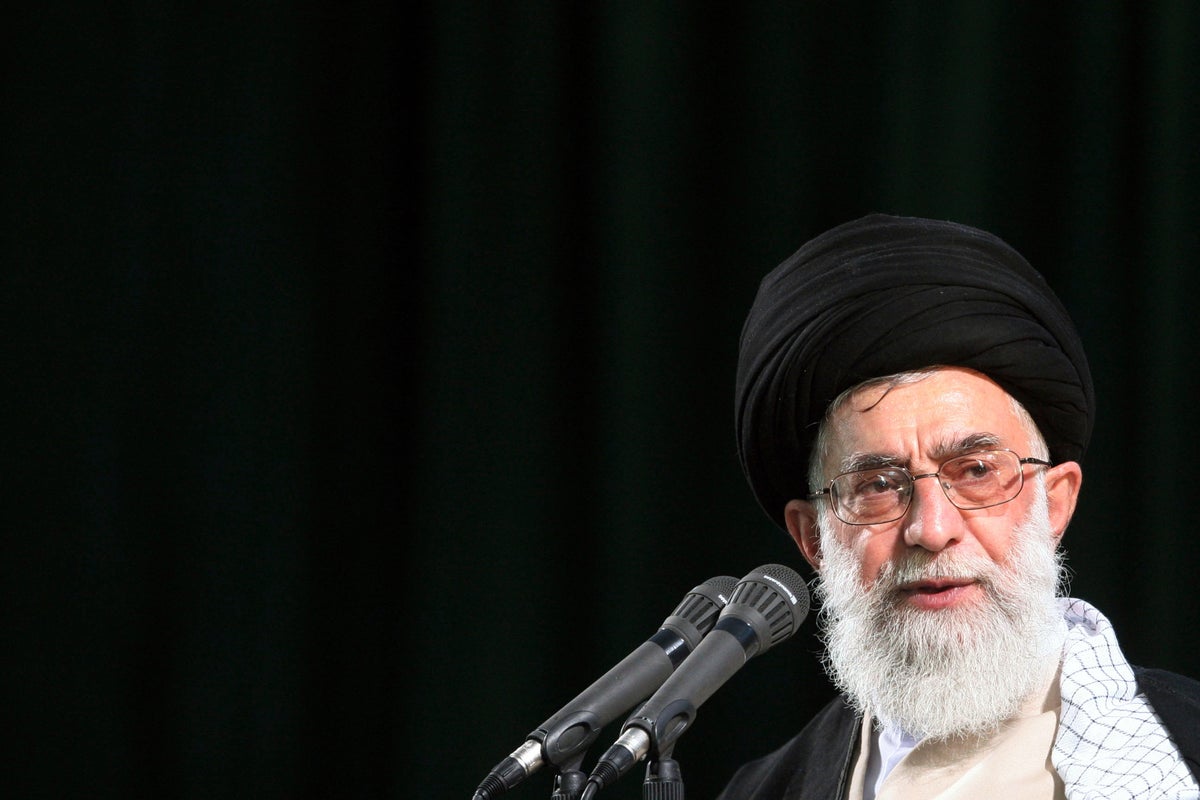
The situation escalated dramatically after the U.S. killed Iran’s supreme leader, Ayatollah Ali Khamenei, prompting retaliatory strikes by Tehran against various targets, including Israel and oil facilities in the region. The conflict has severely affected air travel, leading to the cancellation of numerous flights and prompting the UK government to arrange charter flights for vulnerable British nationals.
During a recent briefing, Foreign Secretary Yvette Cooper confirmed that a government charter flight will depart from Muscat, Oman, in the coming days to facilitate the return of British citizens from the Middle East. Approximately 130,000 Britons have registered their presence in the region, and while some commercial flights have resumed, many others remain grounded due to widespread airspace closures.
In light of the ongoing tensions, Trump suggested that the U.S. military might begin escorting oil tankers through the strategic Strait of Hormuz to protect them from Iranian attacks and mitigate rising energy prices. The developments in the region continue to unfold rapidly, with both military and diplomatic ramifications likely to be significant as the situation progresses.
As Starmer prepares to face MPs, the broader implications of his decisions and the UK’s role in international military alliances will be under scrutiny, particularly in light of the U.S. President’s pointed remarks.