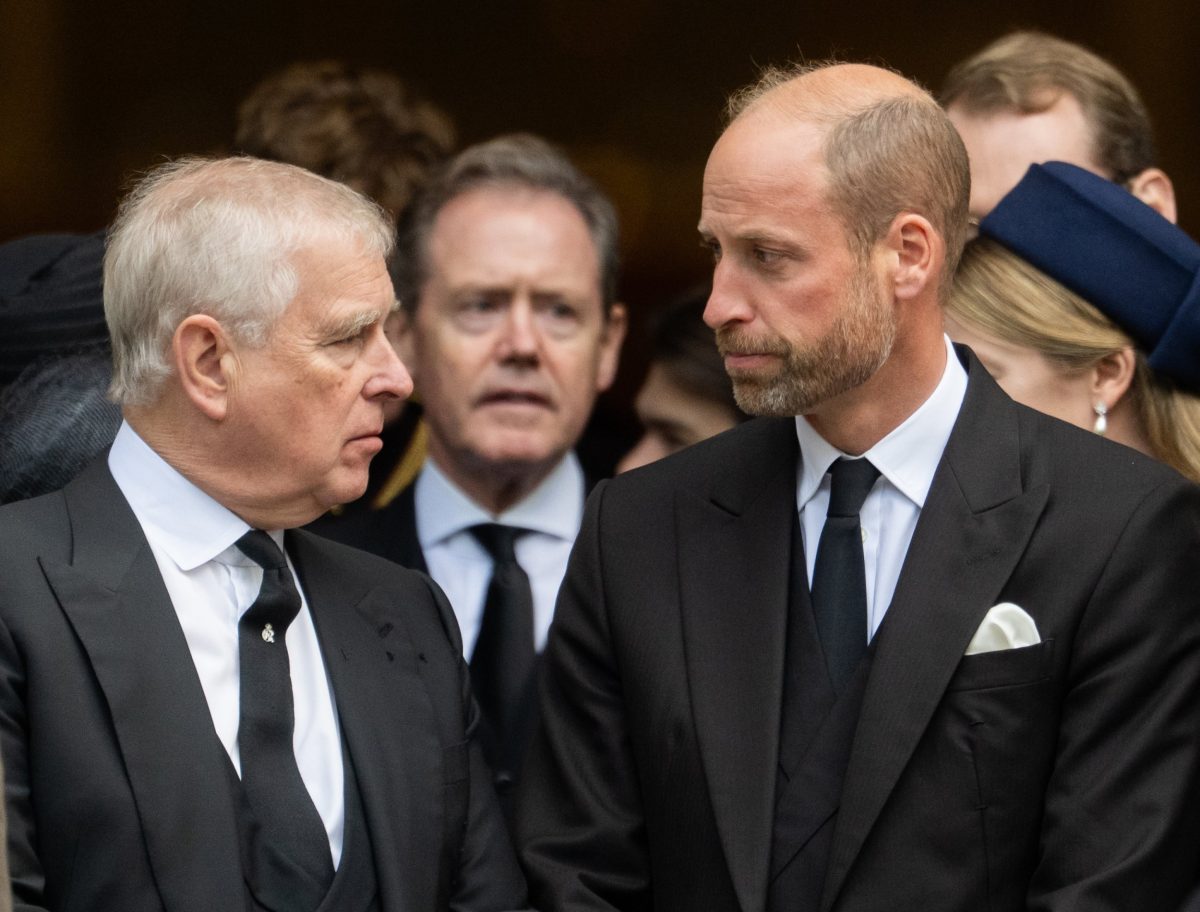
Prince William’s growing frustration with his uncle, Andrew Mountbatten-Windsor, has intensified discussions regarding the future direction of the British Royal Family. Following Andrew’s recent arrest at Sandringham, William expressed his displeasure in a candid moment at the Baftas on March 12, 2024, stating he was not in a “calm state.” This unscripted comment has raised eyebrows and ignited speculation about the potential ramifications for other members of the royal family, particularly Princess Beatrice and Princess Eugenie.
William’s remarks came during a conversation with dignitaries, where he indicated that the chaotic events surrounding his uncle have left him feeling unsettled. His comment, “I need to be in quite a calm state and I’m not at the moment,” reflected the significant toll that Andrew’s ongoing legal troubles have taken on the institution. The police are currently investigating Andrew for allegations of misconduct in public office, including accusations of sharing sensitive documents with convicted sex offender Jeffrey Epstein.
William’s Role in Royal Reform
While William has often been viewed as a proponent of modernizing the monarchy, his ability to enact change is closely tied to the leadership of his father, King Charles. Royal experts suggest that although Charles remains open to reform, he has yet to initiate widespread changes since stripping Andrew of his titles and honours. This has left many questioning how much authority William will have when he eventually ascends to the throne.
Royal biographer Robert Jobson emphasized William’s frustration, noting, “He is pretty angry about it all. It could well go on for many years.” The ongoing fallout from Andrew’s controversies could not only impact Charles’s reign but also set the stage for William’s future as King William V.
Insiders believe that when William becomes king, he may consider stripping royal titles from relatives like Beatrice and Eugenie. This potential move would signal a shift in the royal family’s approach to modern governance, aiming to reduce costs and enhance transparency regarding royal finances.
Challenges of Change
Despite a public perception of stability, the monarchy faces an existential crisis due to mounting controversies surrounding Andrew. Critics argue that the ongoing legal issues threaten the reputation of both Charles and his successor. Some courtiers believe that significant changes will be necessary to restore public confidence in the monarchy.
According to biographer Russell Myers, William’s comments at the Baftas were intentional, designed to communicate his feelings about the current turmoil. Myers pointed out that William has long sought to distance the monarchy from Andrew’s scandals, especially following Andrew’s controversial interview with the BBC in November 2019. William reportedly wanted his uncle removed from royal duties then, but was overruled by both the late Queen and his father.
The long-standing structure of the monarchy resembles a “jar of Marmite,” as one former royal aide put it, appearing unchanged externally while undergoing subtle transformations internally. As William prepares for his future role, the challenge lies in implementing gradual changes within an institution steeped in tradition.
As the royal family navigates this turbulent period, the impact of Andrew’s actions continues to resonate. The path to modernization may ultimately rest on William’s shoulders, with his leadership style likely to shape the monarchy for generations to come.