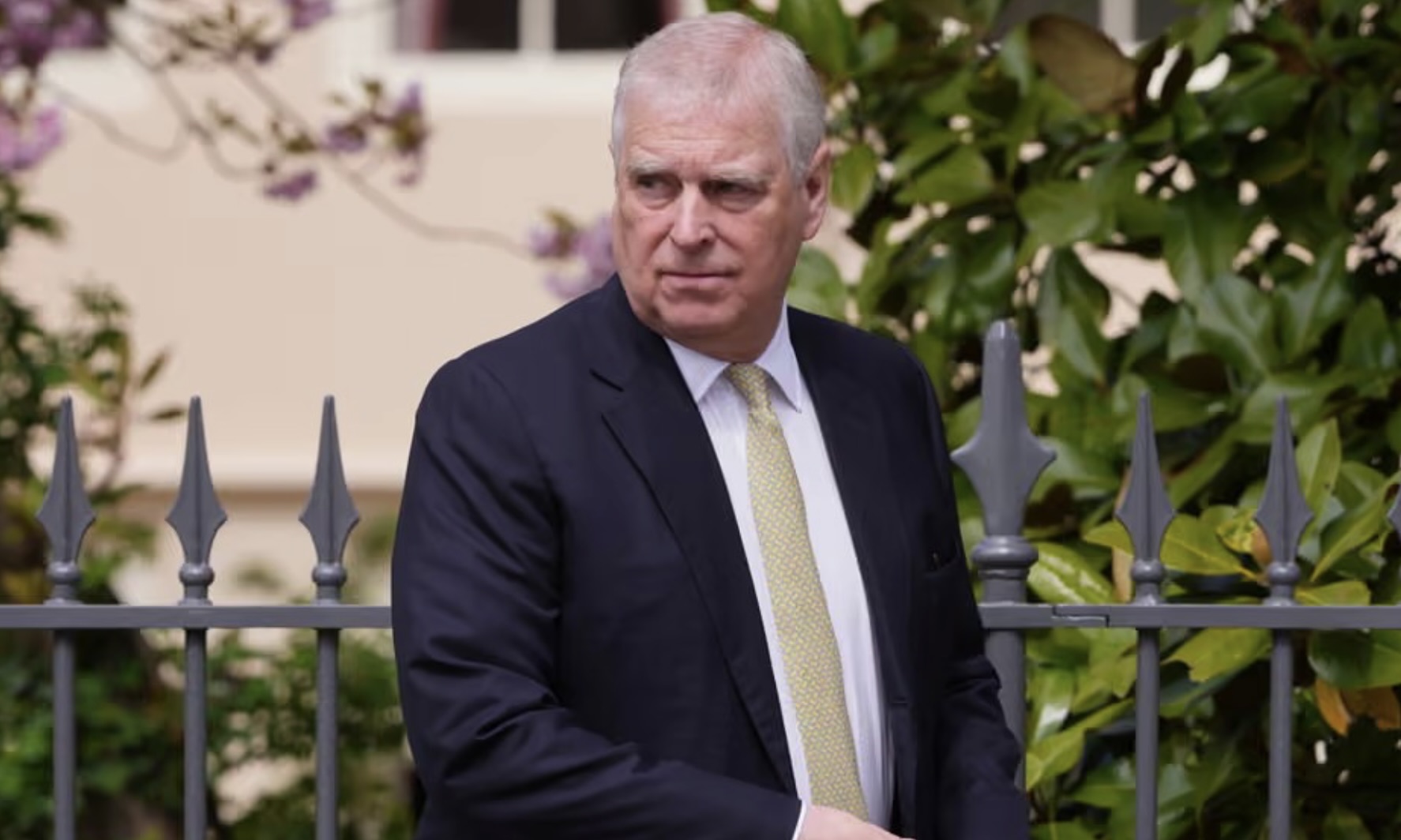
Former Prince Andrew Mountbatten-Windsor is under investigation for potentially disclosing sensitive documents to the late financier Jeffrey Epstein. The inquiry centers on accusations of misconduct in public office, a serious common-law offense aimed at addressing significant abuses of authority by public officials. Andrew was arrested on suspicion of this misconduct and has since been released under investigation, indicating that further questioning may occur as the case unfolds.
The arrest has prompted Gordon Brown, former UK Prime Minister, to take action by sending detailed correspondence to various police forces, including the Metropolitan Police and police departments in Surrey, Sussex, Thames Valley, Norfolk, and Bedfordshire. On February 19, 2024, Sussex Police confirmed receipt of a letter from Brown’s office, stating that its contents are under review to determine appropriate next steps.
Brown’s letters reportedly contain “new and additional information” urging police to investigate not only the alleged document leaks but also Andrew’s conduct during his time as UK trade envoy from 2001 to 2011. This period coincided with Brown’s tenure in Downing Street. Concerns raised include potential misuse of chartered RAF flights for personal engagements, possibly involving meetings with Epstein, and the potential misuse of public funds, which Brown describes as “wholly unacceptable.”
The implications of these allegations are significant. Andrew has previously been criticized for his extensive travel, earning the moniker “Airmiles Andy.” This nickname suggested an air of entitlement rather than outright criminal behavior. Brown’s request for a thorough examination of Andrew’s travel records prompts questions about the logistical arrangements and access granted to him during his official duties.
In addition, Brown is advocating for interviews with officials from four government departments—the Ministry of Defence, the Department for Transport, the Foreign Office, and the Treasury—to assess oversight concerning Andrew’s role as trade envoy. He is also calling for scrutiny of RAF-related records and the use of military resources during Andrew’s engagements.
The aviation aspect of this inquiry raises further concerns. A prior investigation by the BBC highlighted that aircraft linked to Epstein frequently operated from UK airports. Passenger manifests often listed women only as “unnamed females,” indicating a lack of scrutiny in private aviation. Victims’ lawyer Sigrid McCawley expressed her shock that a comprehensive investigation into Epstein’s UK flights and contacts had never been conducted. The Home Office acknowledged that private aircraft were not subject to the same centralized record-keeping as commercial flights, a loophole that has since been addressed.
As of now, Andrew has not been charged and has consistently denied any wrongdoing related to Epstein. Following the news of Andrew’s arrest, King Charles III issued a statement expressing his “deepest concern” and emphasizing that “the law must take its course,” refraining from further comment while the investigation is ongoing.
The unfolding situation presents a complex intersection of privilege, public duty, and serious allegations, drawing attention to the scrutiny of royal engagements and the responsibilities of public officials. As investigations continue, the impact of these allegations on Andrew’s public standing and the broader implications for the royal family remain to be seen.