In a contentious match on March 4, 2024, Manchester City edged past Newcastle United with a score of 2-1, but the encounter was marked by heated discussions surrounding two critical VAR decisions. A disallowed goal for offside and a potential second yellow card for City’s Bernardo Silva have raised questions about the effectiveness and clarity of Video Assistant Referee protocols.
Disallowed Goal for Offside
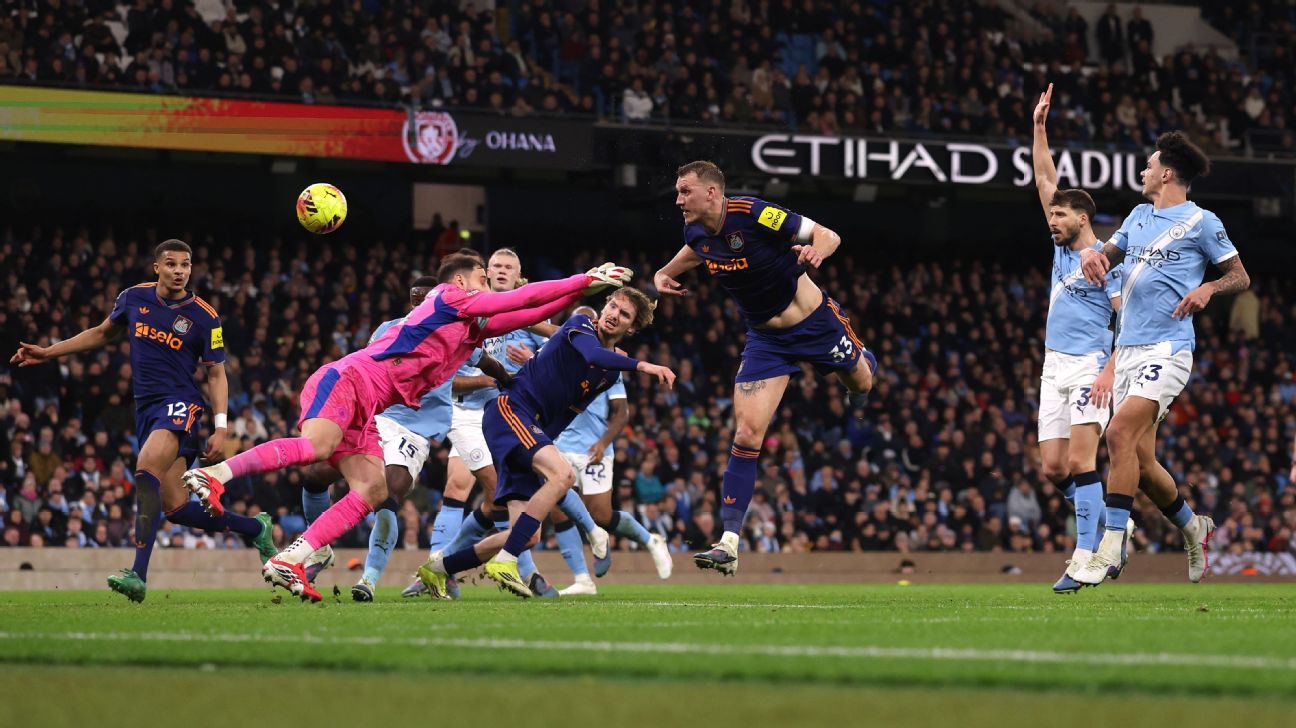
During the first half, Newcastle thought they had taken the lead when Sandro Tonali delivered a free kick that was nodded in by a teammate. However, the assistant referee flagged the goal for offside. Video replays indicated that Newcastle’s Dan Burn was in an offside position, but this was largely due to a push from Manchester City’s defender, Rúben Dias.
VAR, overseen by James Bell, reviewed the incident and confirmed the on-field decision, concluding that an offside offence had occurred. While a deliberate action by Dias was clear, the timing of the push was critical. According to the Laws of the Game, specifically Law 12, a foul can only be penalised when the ball is in play. At the moment of the push, the ball had not yet been struck by Tonali, leaving VAR unable to intervene.
Newcastle players and supporters expressed frustration over the decision, feeling it was an unjust outcome. The incident exemplifies how tight the margins can be in football and how crucial timing is when interpreting the laws. Dias’s actions were calculated, taking advantage of the rules to prevent Newcastle from scoring.
Silva’s Second Yellow Card Controversy
Another moment of contention arose in the second half when Bernardo Silva, already cautioned earlier in the match, made a challenge that some believed warranted a second yellow card. The VAR did not consider this a serious enough infraction to warrant intervention, as current regulations limit VAR’s role to straight red card situations.
For a player to be sent off for a second yellow card, referees must feel the challenge exceeds their threshold for punishment. In this instance, the challenge appeared unnecessary, as Silva made no attempt to play the ball. However, given the physical nature of the match, referee Tom Bramall might have opted to manage the game contextually rather than strictly enforcing the rules. Observers noted that, in real-time, this did not stand out as a blatant foul that would have compelled immediate action.
The decisions in this match highlight the ongoing debates surrounding VAR’s role in football. Critics argue that while VAR aims to support referees, its limitations can lead to inconsistent applications of the rules. As fans and analysts continue to dissect these incidents, the conversation around VAR’s impact on the game remains a hot topic.
With the season progressing, matches like these will likely continue to fuel discussions about the balance between technology and the human element of officiating in football.