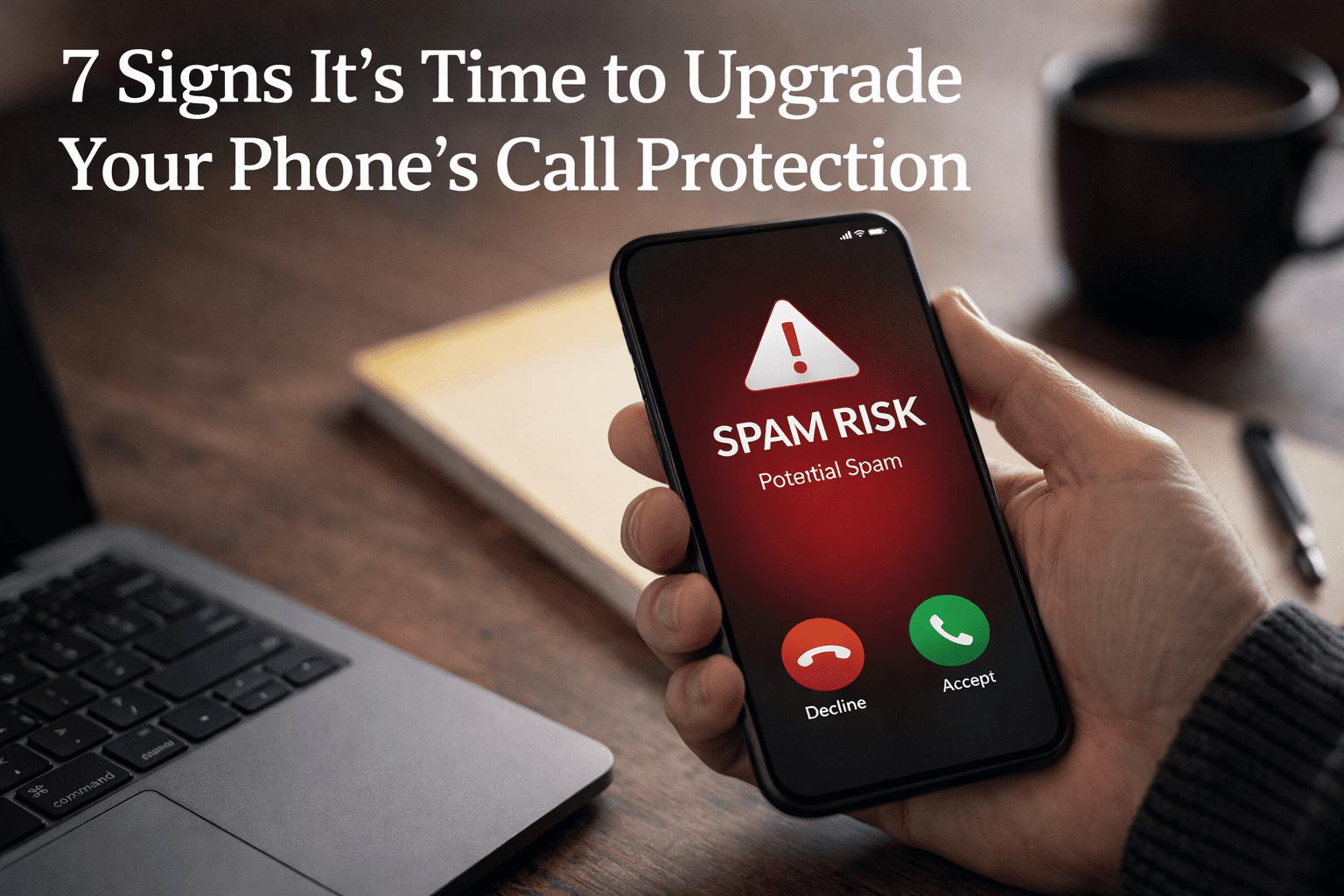
In an era where phone calls from unknown numbers have become a daily nuisance, assessing your call protection system is essential. If you frequently hesitate before answering such calls, it may be time to upgrade your current setup. The tools that once sufficed may no longer adequately shield you from unwanted interruptions, exposing you to potential scams and robocalls. Call protection is no longer a luxury but a necessary layer of security for anyone with a phone number.
Recognizing the Need for an Upgrade
One of the most noticeable signs that your call protection requires attention is an increase in unwanted calls. Spam callers have become adept at rotating phone numbers and spoofing caller IDs, allowing them to bypass outdated filters effortlessly. Basic call-blocking lists often rely on static databases of known spam numbers, which can quickly become obsolete.
Modern call protection systems utilize real-time data and machine learning techniques to identify new threats before they reach your device. If an increasing number of calls are getting through, it signals a technical gap that needs to be addressed.
Moreover, the traditional Caller ID functionality is now commonplace and no longer sufficient on its own. Effective call protection should provide essential information, such as a reputation score based on community reports, labels categorizing calls as “Likely Spam” or “Telemarketer,” and verification of whether a number belongs to a legitimate business. If your screen only displays a number without context, you might be compromising your security.
Understanding the Importance of Context
When your default reaction to unknown numbers is to ignore them completely, it indicates that your call protection has failed its primary purpose. The aim of effective call protection is to enable you to answer legitimate calls confidently while filtering out junk.
Consider the types of important calls that may come from unfamiliar numbers, including those from medical offices, delivery services, job recruiters, or service providers. If you find yourself routinely sending these calls to voicemail, your current system requires immediate improvement.
Advanced call protection tools allow you to research phone numbers before deciding to call back or block them. Online resources that aggregate data from user reports and public records can provide valuable context about a number’s legitimacy. Being able to verify a number before returning a call can help you avoid potential scams.
Another significant issue is number spoofing, a tactic frequently employed by scammers. They manipulate technology to make calls appear as though they are coming from local area codes or familiar businesses. If your call protection cannot identify these spoofed numbers or flag suspicious calls, it leaves a significant vulnerability.
Upgraded systems incorporate behavioral analysis alongside number identification, which helps detect patterns indicative of spoofing, even when the displayed number appears innocent. For example, a call that seems to be from a neighbor but is actually a robocall originating from another country exemplifies the type of threat that outdated systems often miss.
Identifying Sophisticated Threats
Calls that reference personal information or seem tailored to you may indicate that your number is being used in more sophisticated scams. This form of voice phishing, or “vishing,” is designed to catch you off guard. Basic call protection that screens only for known spam numbers is insufficient to combat these targeted threats.
To effectively manage this risk, your call protection should flag unusual call patterns associated with your number, prompt verification of the caller’s identity before sharing information, and cross-reference incoming numbers against known phishing campaigns.
An essential aspect of good call protection is its adaptability to your specific needs. If the app or service you use does not allow you to manually add numbers to a block list, create whitelists, or customize settings, it may be time for an upgrade. Different users have varying requirements; a freelancer may need distinct settings compared to someone who primarily communicates with saved contacts.
A robust call protection system should adjust to your lifestyle instead of forcing you to conform to its limitations.
What an Effective Upgrade Involves
Upgrading your call protection does not necessarily mean switching carriers or investing in new hardware. Often, it simply involves selecting a more sophisticated app or service that combines essential features.
A comprehensive call protection setup typically includes the following: real-time spam databases that are continuously updated, caller reputation scores derived from extensive community reports, effective spoofing detection, and personal block and allow list management.
Furthermore, the ability to check a phone number online before deciding to call back or block is a crucial feature that enhances your security. An effective setup should help restore your phone’s utility rather than make it a source of stress.
When evaluating call protection tools, consider their foundational reliability. Not all applications are created equal; some rely on outdated data without regular updates, while others may offer attractive interfaces but lack effective filtering capabilities.
Inquire whether the tool updates its threat database frequently, provides transparency on why a call was flagged, and allows you to override its decisions. Additionally, it should function effectively for both incoming and outgoing calls, enabling you to verify numbers before dialing.
Ultimately, a good call protection app should behave like a knowledgeable assistant—flagging suspicious calls, confirming legitimate ones, and stepping back when everything checks out. Investing time to choose the right tool can significantly enhance your phone experience, making it safer and more reliable.