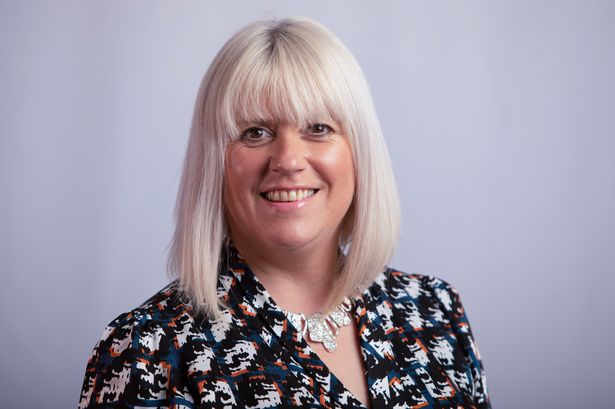
URGENT UPDATE: Lothians MSP Sue Webber has just announced a bold initiative to automatically strip any Member of the Scottish Parliament (MSP) of their position if convicted of serious crimes. This groundbreaking proposal aims to ensure that MSPs sentenced to prison or given a community payback order will be removed from Holyrood without the need for a voter petition.
Webber is set to table an amendment during the Bill’s critical “Stage Three” debate on February 24, 2023. If approved, this amendment will transform the accountability process for MSPs, making the removal of those convicted of serious offenses swift and straightforward. “The public expects behavior of the highest standards from their elected representatives,” Webber stated. “If a serving MSP is convicted of a serious crime, they should automatically forfeit their privilege of being an elected representative.”
This legislative move follows previous controversies in the Scottish Parliament, including the case of former SNP MSP Derek Mackay, who faced backlash in 2020 for inappropriate conduct with a minor. Despite resigning from his ministerial role, Mackay remained in office for over a year, raising concerns about the effectiveness of current removal processes.
Webber previously proposed similar amendments during discussions on the Scottish Parliament (Recall and Removal of Members) Bill, but committee members indicated resistance to these ideas. Her latest push highlights a growing demand for accountability and immediate action in the wake of public trust issues surrounding elected officials.
The upcoming debate is pivotal—if the amendment passes, it will pave the way for a more effective and immediate removal process for MSPs who violate the law. This is a significant moment for governance in Scotland, as it reflects a broader call for transparency and integrity in public office.
As the Stage Three debate approaches, constituents and political observers alike are keenly watching how this amendment could reshape the responsibilities and expectations placed on elected officials. The outcome may signal a new era of accountability in Scottish politics, emphasizing that representational duties should be upheld by those who adhere to the law.
Expect further updates as this story develops, and stay informed about the critical debates shaping the future of governance in Scotland.