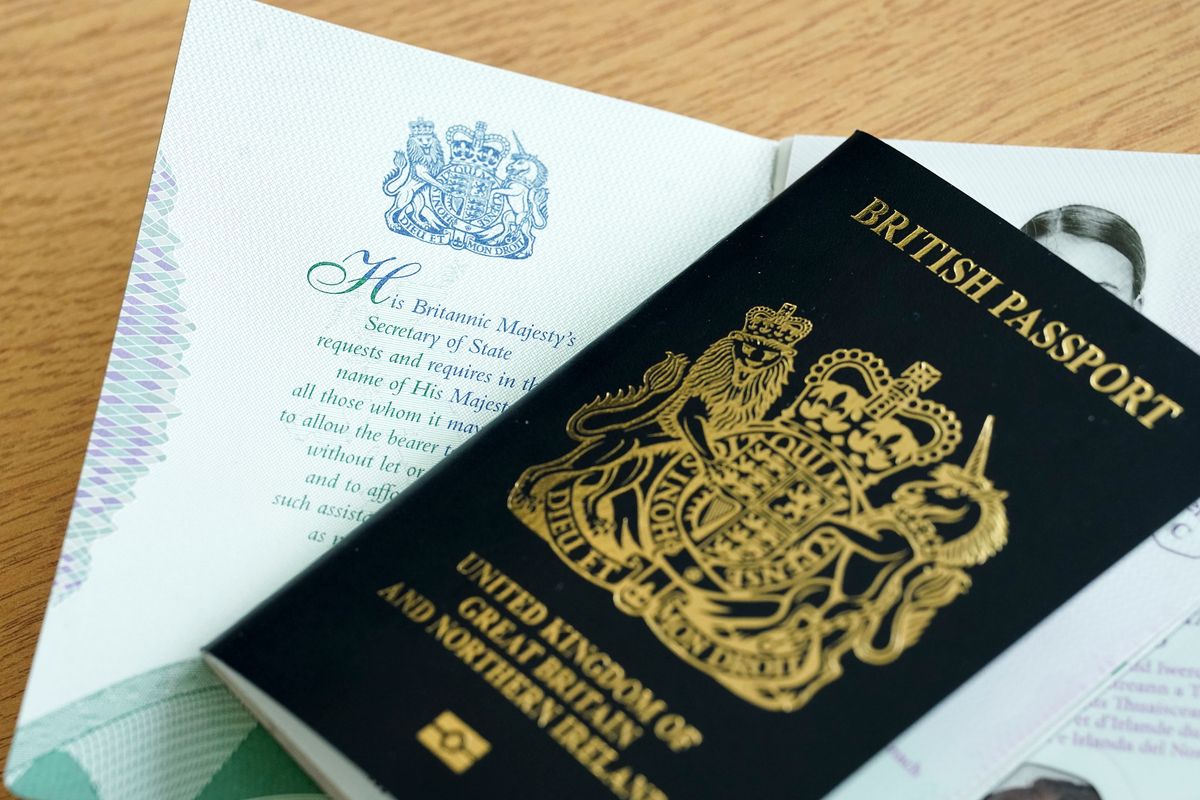
New border controls in the United Kingdom will take effect on February 25, 2024, requiring British dual citizens to present a valid UK passport when traveling into the country. Under these new regulations, travelers arriving by air, sea, or rail must either show a UK passport or obtain a “Certificate of Entitlement,” which costs £589. The introduction of these rules has sparked significant concerns among British expatriates and families with children born overseas, who may face difficulties entering the UK without incurring substantial expenses.
The Home Office has stated that the new measures aim to create a “seamless travel experience” while enhancing the government’s ability to prevent individuals who pose security threats from entering the country. The use of an Electronic Travel Authorisation (ETA) will not be permitted as an alternative travel document for dual nationals. Currently, a standard adult UK passport application costs approximately £95 when submitted online, with fees increasing for applications made abroad.
Impact on British Expats and Families
Critics have expressed alarm over how these regulations might affect British citizens living overseas, particularly those with children born in other countries. Families may find themselves in a situation where entry to the UK is denied unless they can pay the high costs associated with obtaining a valid passport or certificate. This has led to reports of some expatriates choosing to renounce their British citizenship altogether to avoid complications that may arise from these new requirements.
According to reports from the Express, the dilemma stems from the legal complexities faced by dual nationals. While a declaration to renounce British nationality may not be legally binding under UK law, individuals could encounter challenges if they are required to demonstrate that they have abandoned their previous citizenship when traveling. Consequently, those traveling solely on a foreign passport may be refused boarding unless they can provide evidence of their British nationality.
Broader Context of Migration Trends
This announcement arrives as the number of migrants arriving in the UK via small boats has surged during the leadership of Labour Party leader Sir Keir Starmer. Since he took office, over 66,000 migrants have reportedly arrived this way, eclipsing the previous peak of 65,811 recorded during Boris Johnson‘s premiership. This figure represents a notable increase, achieved in just 19 months compared to the three years it took under Johnson.
The introduction of stringent passport rules reflects ongoing discussions about immigration policy in the UK, with the government emphasizing the need for robust border controls. As the regulations come into force, the impact on British citizens abroad and prospective travelers remains to be seen, with many awaiting further clarification regarding implementation and enforcement.
The changes are part of a broader effort to redefine immigration practices, aiming to ensure that UK borders remain secure while managing the complexities of citizenship and travel for those with dual nationality.